Efficient bulk bag unloading and material conveying systems are critical in industrial settings where large quantities of bulk materials need to be handled safely and efficiently. This article provides a detailed overview of the operation process and working principles of such systems, highlighting the key components and mechanisms involved in the process. The focus is on the technology and engineering solutions offered by Shandong HeadPowder Engineering Co., Ltd., a leading provider in the field.
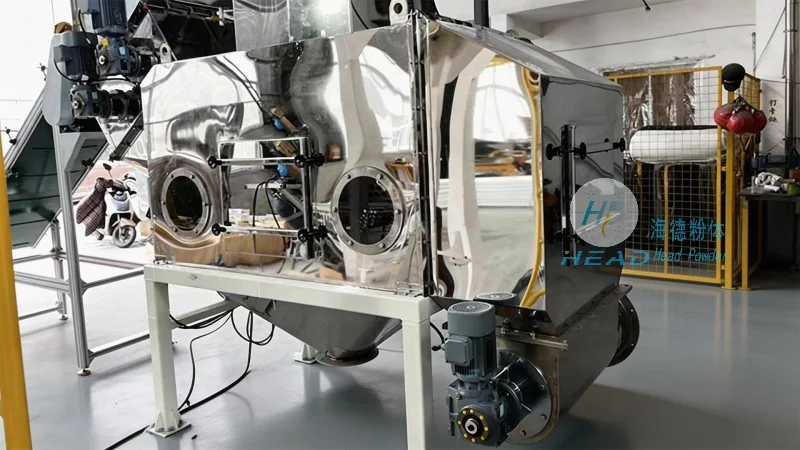
Company Introduction: HeadPowder Engineering
Shandong HeadPowder Engineering Co., Ltd., commonly known as HeadPowder, is a reputable company specializing in the design, manufacturing, and installation of bulk material handling equipment. With a strong presence in China, particularly in Shandong province, HeadPowder has established itself as a trusted partner for industries requiring reliable and efficient bulk bag unloading solutions. The company's expertise lies in developing customized systems that meet the specific needs of clients, ensuring optimal performance and safety in material handling operations.
Overview of Bulk Bag Unloading Material Conveying Systems
Bulk bag unloading material conveying systems are designed to automate the process of transferring bulk materials from large flexible containers (bulk bags or super sacks) into processing equipment or storage facilities. These systems are essential in sectors like food processing, chemical manufacturing, pharmaceuticals, and mining, where handling large volumes of powders, granules, or other bulk materials is routine. The primary goal of such systems is to enhance operational efficiency, reduce labor costs, and minimize material loss or contamination during the transfer process.
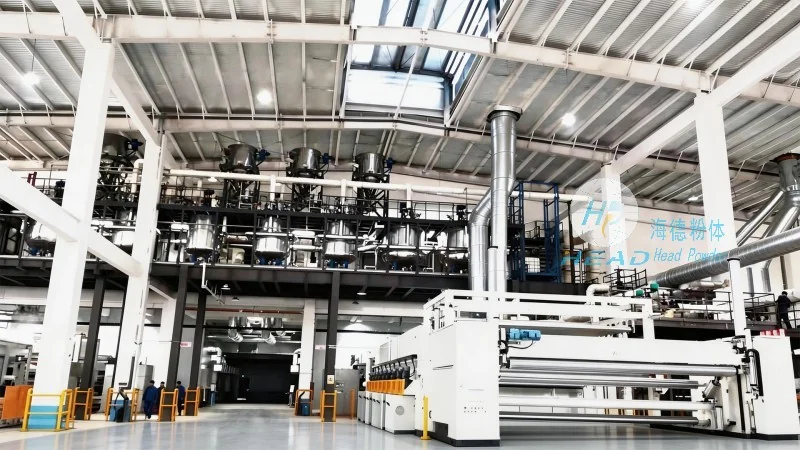
Key Components of the System
The bulk bag unloading material conveying system typically consists of several key components that work in coordination to achieve the desired outcome. These components include:
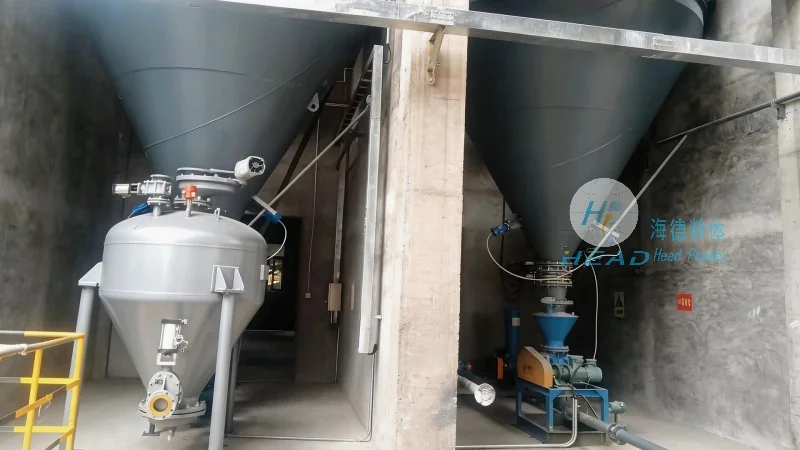
- Bulk Bag Support and Suspension System: This component securely holds the bulk bag in place, often using a frame or a specialized hoist. The system ensures that the bag remains stable during the unloading process, preventing any movement that could lead to spillage or damage.
- Unloading Mechanism: The unloading mechanism is responsible for opening the top of the bulk bag and allowing the material to flow out. This can be achieved through various methods, such as a discharge spout, a valve, or a combination of both. The mechanism is designed to control the flow rate, ensuring a steady and controlled discharge of the material.
- Conveying Equipment: The conveying equipment, such as a screw conveyor, belt conveyor, or pneumatic conveyor, transports the material from the bulk bag to the processing or storage area. The choice of conveying equipment depends on the material characteristics, such as particle size, density, and moisture content, as well as the required conveying distance and speed.
- Control System: A control system, often integrated with sensors and automation technology, manages the entire operation. This system monitors the flow rate, bag pressure, and other parameters, ensuring that the process runs smoothly and safely. It can also include features like automatic bag emptying, material level detection, and emergency stop functions.
Operation Process of the System
The operation process of a bulk bag unloading material conveying system involves several sequential steps, each designed to ensure efficient and safe material transfer. The process typically begins with the placement of the bulk bag onto the support system. The bag is then secured in position, and the unloading mechanism is activated to open the top of the bag. As the material starts to flow out, the conveying equipment is engaged to transport the material to the desired destination. The control system continuously monitors the process, adjusting parameters as needed to maintain optimal performance. Once the bulk bag is emptied, the system can be prepared for the next bag, either by removing the empty bag or by preparing a new one for loading.
Working Principle of the System
The working principle of a bulk bag unloading material conveying system is based on the principles of material flow and mechanical transfer. The system leverages gravity or mechanical force to move the material from the bulk bag to the conveying equipment. The unloading mechanism ensures that the material is released from the bag in a controlled manner, preventing clogging or blockages. The conveying equipment then transports the material through a pipeline or conveyor belt, delivering it to the processing equipment or storage tank. The control system plays a crucial role in regulating the entire process, ensuring that the flow rate, pressure, and other parameters are maintained within safe and efficient operating ranges. By integrating these components and mechanisms, the system achieves a seamless and automated transfer of bulk materials, reducing the need for manual intervention and improving overall operational efficiency.




