Lightweight cement powder conveying lines are essential equipment in the construction and material handling industries, designed to efficiently transport lightweight cement powders with minimal energy consumption and high reliability. This article provides a detailed overview of the operation process and working principle of such systems, highlighting key components, operational procedures, and the technical advantages they offer.
Introduction to Lightweight Cement Powder Conveying Lines
Lightweight cement powder conveying lines, also known as pneumatic conveying systems for lightweight cement, are engineered to handle fine, low-density cement powders. These systems are crucial for applications in construction, manufacturing, and industrial processing where the efficient and safe transport of cement is required. The design of these lines prioritizes factors such as material flow consistency, system durability, and energy efficiency, making them a preferred choice for many industries.
Key Components of the Conveying System
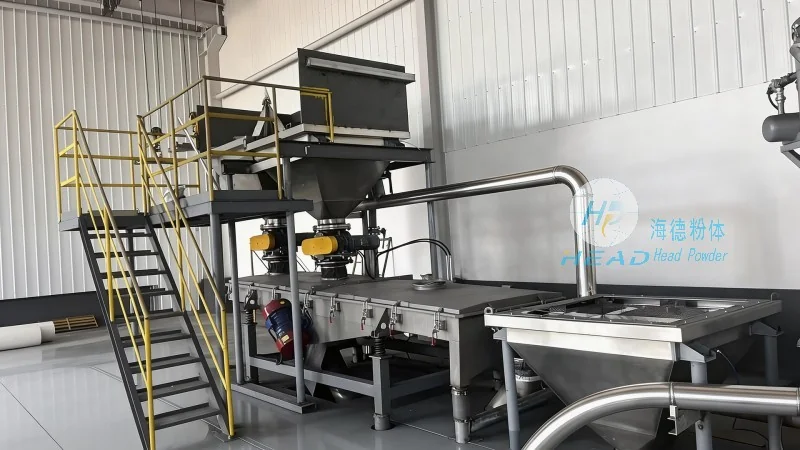
The operation of a lightweight cement powder conveying line relies on several critical components that work in tandem to ensure smooth material transport. These components include the material hopper, which serves as the storage and feeding unit; the air compressor or blower, which generates the necessary air pressure to move the powder; the conveying pipes, which form the main transport pathway; and the control system, which regulates the flow of air and material. Each component plays a vital role in maintaining the system's performance and efficiency.
Operation Process of the Conveying Line
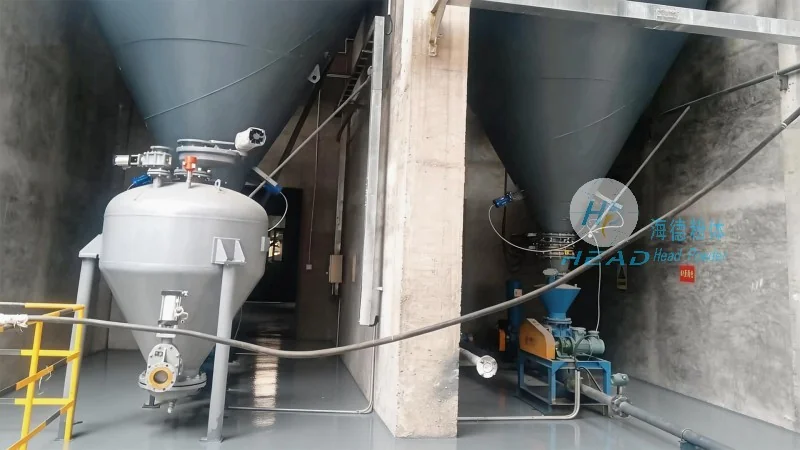
The operation process of a lightweight cement powder conveying line typically begins with the loading of the material into the hopper. The material is then fed into the conveying pipes through the action of the air compressor, which creates a pressure differential that propels the powder forward. As the powder travels through the pipes, it is continuously mixed with air, ensuring uniform flow and preventing clogging. The system may also include features such as pulse jets or rotary valves to control the flow rate and maintain consistent material delivery. The entire process is monitored by the control system, which adjusts parameters like air pressure and feed rate based on real-time conditions to optimize performance.
Working Principle of the Conveying System
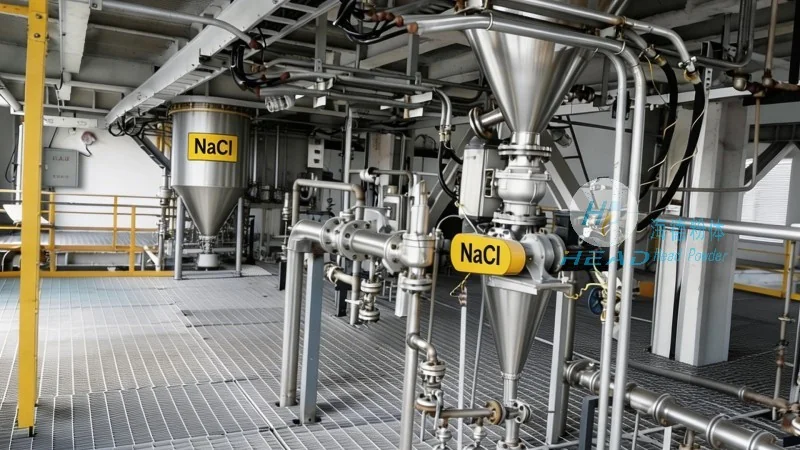
The working principle of a lightweight cement powder conveying line is based on the principles of pneumatic conveying, where the material is transported by the flow of air. The system operates by creating a pressure difference between the inlet and outlet of the conveying pipes. The air compressor generates a high-pressure air stream that entrains the lightweight cement powder, forming a dense phase or dilute phase flow depending on the system design. The dense phase conveying method is often preferred for lightweight cement as it minimizes particle degradation and reduces energy consumption compared to dilute phase systems. The control system ensures that the air flow and material feed are synchronized, maintaining a stable and efficient transport process.
Technical Advantages and Applications
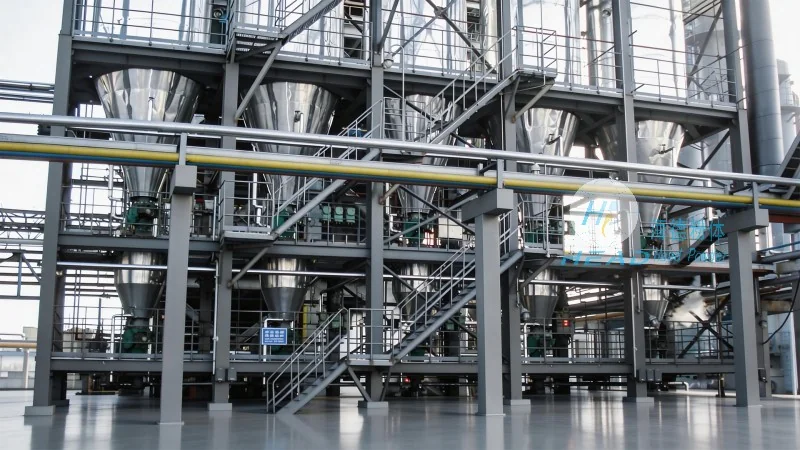
Lightweight cement powder conveying lines offer several technical advantages that make them suitable for a wide range of applications. These include high material transport capacity, low energy consumption, and the ability to handle fine powders without degradation. The systems are also designed for easy maintenance and cleaning, reducing downtime and operational costs. Applications of these conveying lines include the transportation of lightweight cement in construction projects, the handling of cement powders in manufacturing facilities, and the supply of cement to mixing plants. The systems are particularly useful in environments where traditional conveyor belts may not be suitable due to the fine nature of the material or the need for dust-free operation.
Conclusion
In conclusion, lightweight cement powder conveying lines are sophisticated systems that combine advanced engineering and material handling technology to efficiently transport lightweight cement powders. The operation process involves the coordinated action of key components, while the working principle is based on pneumatic conveying techniques. These systems offer significant benefits in terms of efficiency, reliability, and cost-effectiveness, making them an essential part of modern material handling solutions. For industries dealing with lightweight cement, investing in such systems can lead to improved productivity and operational performance.




