Shandong HeadPowder Engineering Co., Ltd. specializes in the design, manufacturing, and installation of industrial conveying systems, with a focus on efficient and reliable solutions for handling alkali powders. As a leading provider in the field, HeadPowder delivers high-quality equipment tailored to meet the specific needs of various industrial applications.
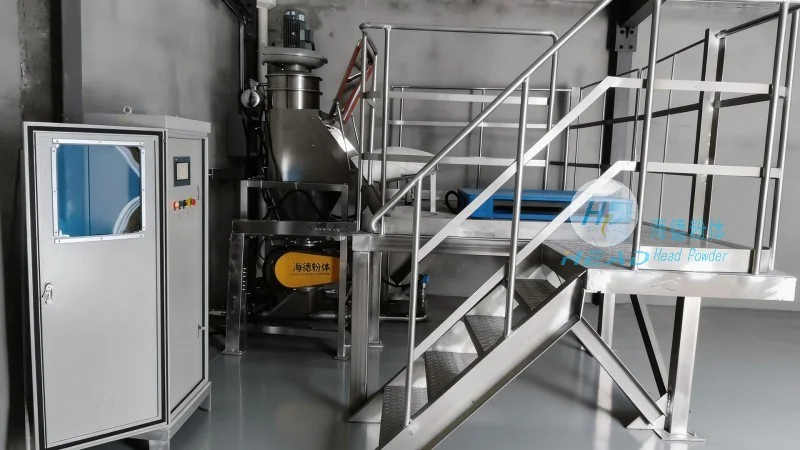
Overview of Industrial Alkali Powder Conveying Lines
Industrial alkali powder conveying lines are essential systems used in chemical, pharmaceutical, and food processing industries to transport bulk alkali powders from storage to processing units. These systems are engineered to ensure safe, efficient, and consistent material handling, minimizing dust generation and maintaining product integrity. The design of these lines incorporates advanced technologies to handle the unique properties of alkali powders, such as their reactivity and hygroscopic nature.
Working Principle of the Conveying System
The operation of an industrial alkali powder conveying line typically involves several key components, including feeders, conveyors, and control systems. The process begins with the alkali powder being fed from a storage silo or hopper into a rotary valve or feeder. This component regulates the flow rate, ensuring a steady and controlled supply of material to the conveyor. The conveyor, often a pneumatic or mechanical type, transports the powder through a sealed pipeline to the destination point, such as a mixer or reactor. The system may also include dust collection and filtration units to maintain air quality and prevent contamination. The control system monitors and adjusts the flow rate, pressure, and other parameters to optimize performance and ensure safety.
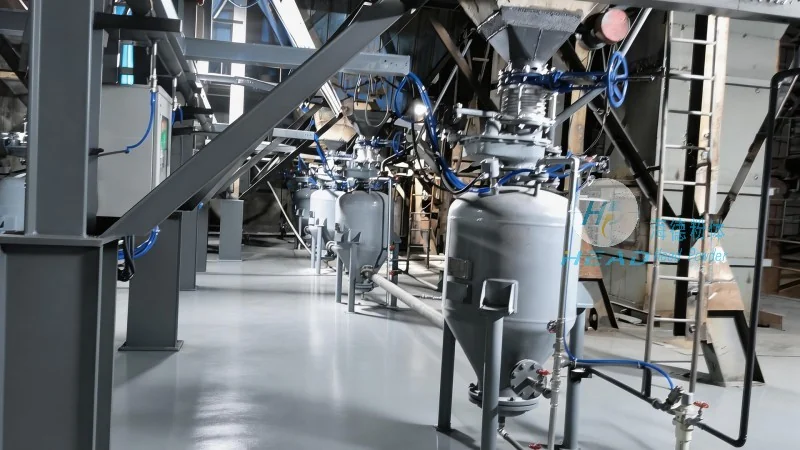
Step-by-Step Operation Process
The operation of an industrial alkali powder conveying line follows a systematic sequence to ensure smooth and efficient material transfer. First, the storage silo is charged with the alkali powder, and the system is prepared for operation. The rotary valve or feeder is activated, controlling the initial flow of powder into the conveyor. The conveyor then transports the powder through the pipeline, maintaining a consistent velocity to prevent clogging or uneven distribution. At the receiving end, the powder is discharged into a receiving vessel or processing unit. The system continuously monitors the flow rate and pressure, adjusting as needed to maintain optimal performance. Regular maintenance and inspections are performed to ensure the longevity and reliability of the equipment.
Key Features and Benefits
Industrial alkali powder conveying lines from HeadPowder are equipped with several features that enhance performance and safety. These include sealed and dust-tight designs to prevent environmental contamination, variable speed drives for precise flow control, and advanced filtration systems to maintain air quality. The systems are also designed for easy integration with existing production lines, reducing downtime and increasing operational efficiency. By using these conveying lines, industries can achieve consistent material handling, reduce labor costs, and improve overall productivity.
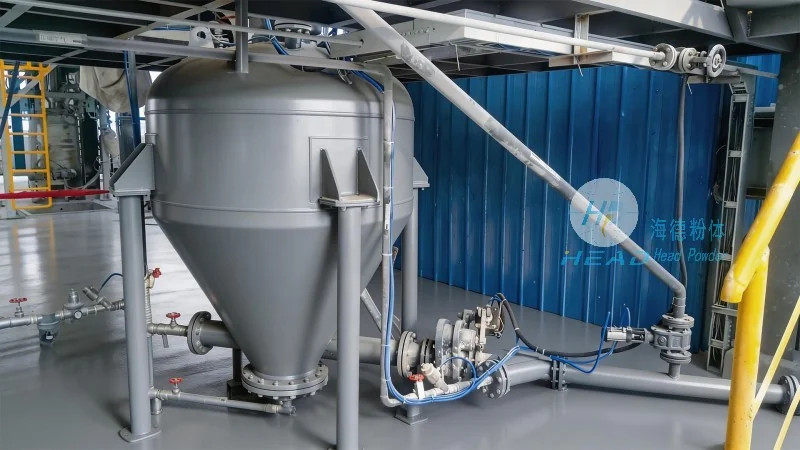
Application Examples
Industrial alkali powder conveying lines are widely used in various industries. In the chemical industry, they are used to transport caustic soda or other alkali powders to reactors for chemical synthesis. In the pharmaceutical industry, they are employed to handle active pharmaceutical ingredients (APIs) that require strict contamination control. In the food processing industry, they are used to transport alkaline substances for processing or cleaning operations. These applications highlight the versatility and reliability of the conveying lines, making them indispensable in modern industrial operations.
Maintenance and Safety Considerations
Maintaining the proper operation of industrial alkali powder conveying lines is crucial for their longevity and safety. Regular inspections of components such as feeders, conveyors, and valves are necessary to identify and address potential issues before they cause system failures. The system should also be equipped with safety features, including pressure relief valves, emergency stop buttons, and dust explosion protection measures. Proper training of operators on the safe operation of the equipment is essential to prevent accidents and ensure compliance with industry regulations. By following these maintenance and safety guidelines, industries can maximize the performance and lifespan of their conveying lines.




