Wool material pneumatic conveying equipment is a specialized system designed to efficiently transport wool and related materials through a pressurized or vacuum air stream. This technology is widely used in the textile and processing industries, offering a clean, dust-free, and flexible method for material handling. The core of this equipment lies in its ability to handle delicate wool fibers without causing damage, which is crucial for maintaining the quality of the final textile products. Developed by Shandong HeadPowder Engineering Co., Ltd., a leading manufacturer based in Shandong, China, this equipment represents the latest advancements in material handling technology for the wool industry.
Principle of Wool Material Pneumatic Conveying
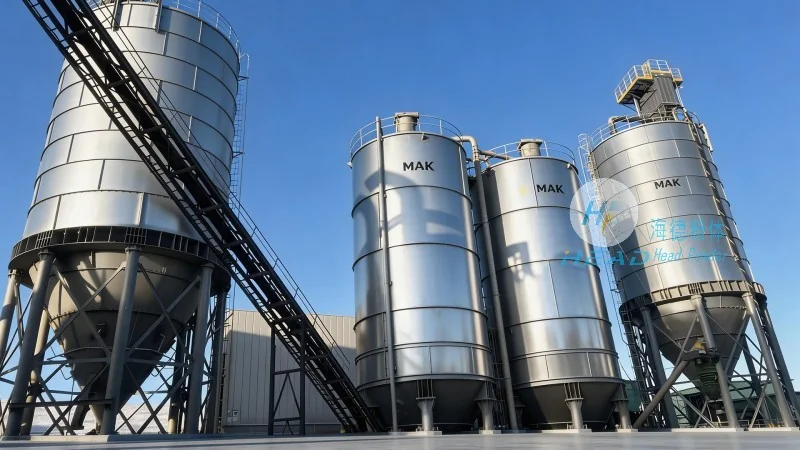
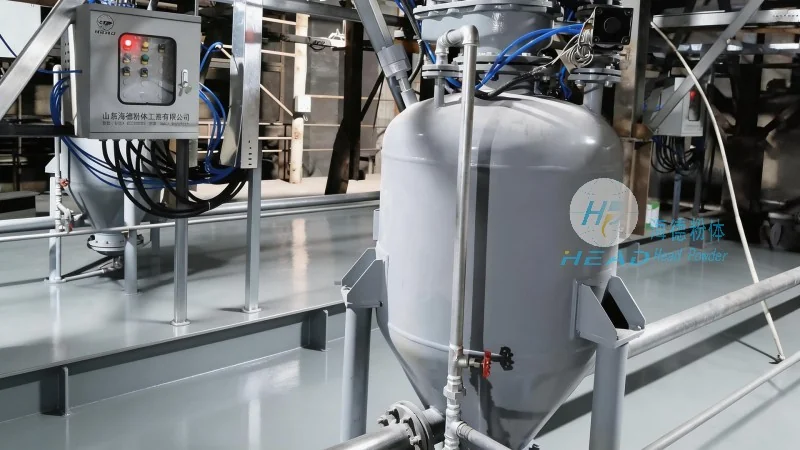
The operation of wool material pneumatic conveying equipment is based on the fundamental principle of fluidization and particle transport. The system typically consists of a hopper, a conveyor line, and a receiver. The wool material is fed into the hopper, where it is then drawn into the conveyor line by a fan or blower that creates a pressure differential. The air stream carries the wool particles through the pipeline to the destination, such as a processing machine or storage container. The design of the equipment ensures that the air velocity is maintained at a level that prevents particle deposition while minimizing wear on the system components. This principle allows for the seamless and continuous movement of wool, even over long distances, without the need for mechanical components like belts or rollers that could potentially damage the delicate fibers.
Working Scene Characteristics of Wool Material Pneumatic Conveying Equipment
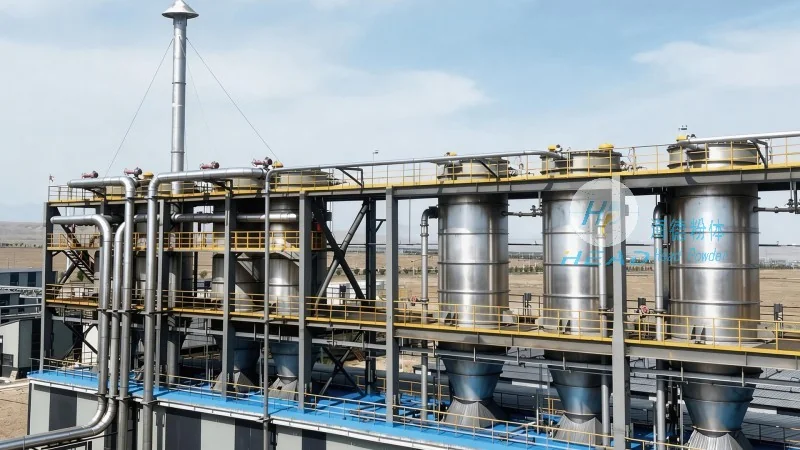
The working scene characteristics of wool material pneumatic conveying equipment are tailored to the specific demands of wool processing environments. These systems are often installed in clean rooms or controlled environments to maintain the purity of the wool fibers, which is essential for high-quality textile production. The equipment is designed to handle various forms of wool, including raw wool, carded wool, and blended wool, adapting to different particle sizes and densities. In industrial settings, such as wool mills or textile factories, the equipment operates continuously, integrating with other processing machinery like carding machines, spinning machines, and dyeing equipment. The flexibility of the pneumatic system allows for easy reconfiguration of the conveyor lines to accommodate changes in production processes or material flow. Additionally, the system's ability to handle both dry and slightly moist wool materials makes it versatile for different processing stages. The working scene also emphasizes energy efficiency and low maintenance, as the equipment uses air as the primary medium, reducing the need for frequent part replacements and minimizing operational costs.
Application and Benefits in Wool Processing
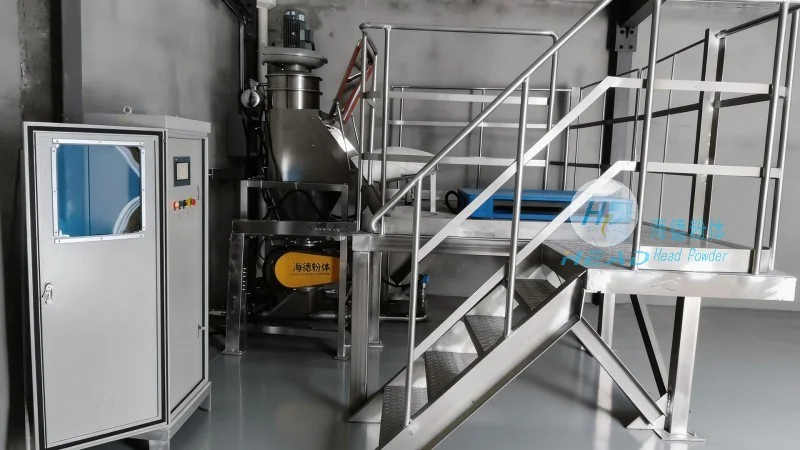
Wool material pneumatic conveying equipment is extensively used in the wool processing industry to enhance operational efficiency and product quality. By eliminating the need for manual handling and traditional mechanical conveyors, the system reduces the risk of fiber contamination and damage. The clean and dust-free operation also contributes to a safer working environment, as it minimizes the presence of airborne particles that could affect workers' health. Furthermore, the system's ability to transport wool over long distances without degradation makes it ideal for large-scale processing facilities. The integration of this equipment with other processing units streamlines the workflow, from raw material intake to finished product output. The benefits extend to cost savings, as the reduced maintenance requirements and energy-efficient operation lower long-term operational expenses. Overall, the wool material pneumatic conveying equipment plays a critical role in modern wool processing, supporting the production of high-quality textiles while maintaining operational efficiency and environmental standards.




