HeadPowder, a leading manufacturer based in Shandong, China, specializes in the design and production of advanced pneumatic conveying systems tailored for handling aluminum foil materials. This article delves into the fundamental principles behind these systems and explores the key characteristics of their operational environments, providing a comprehensive overview for industry professionals seeking to understand or implement such technology.
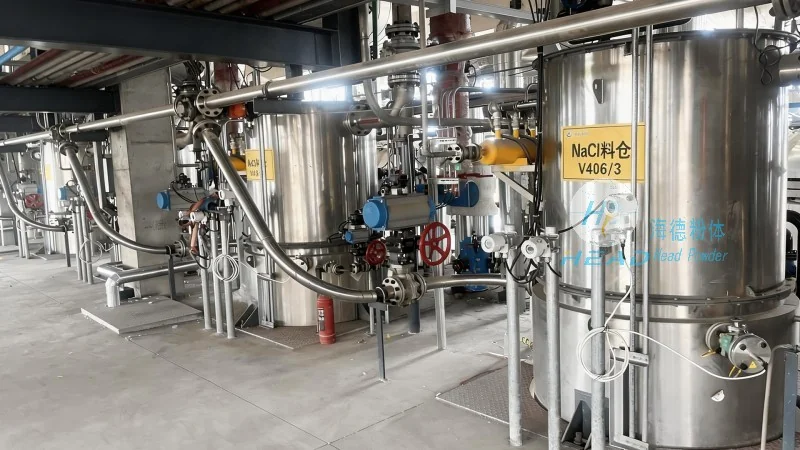
Introduction to Aluminum Foil Material Pneumatic Conveying Systems
Aluminum foil, known for its lightweight, corrosion-resistant properties, is widely used in packaging, electronics, and construction industries. However, the unique physical characteristics of aluminum foil—such as its low bulk density, tendency to cling to surfaces, and sensitivity to static electricity—pose challenges for traditional material handling methods. Pneumatic conveying systems offer an efficient, dust-free solution to transport aluminum foil from storage to processing lines, ensuring minimal product damage and maintaining high operational standards.
The Core Principle of Pneumatic Conveying for Aluminum Foil
The fundamental principle of pneumatic conveying involves using compressed air or gas to transport bulk materials through a closed pipeline system. In the case of aluminum foil, the system typically operates under negative pressure (suction) or positive pressure (blowing) to move the material. The process begins with the material being fed into a hopper or feeder, where it is then drawn or pushed through the pipeline by the air flow. Key components include the air compressor, filter, regulator, and conveying line, each playing a critical role in maintaining consistent material flow and preventing system blockages.
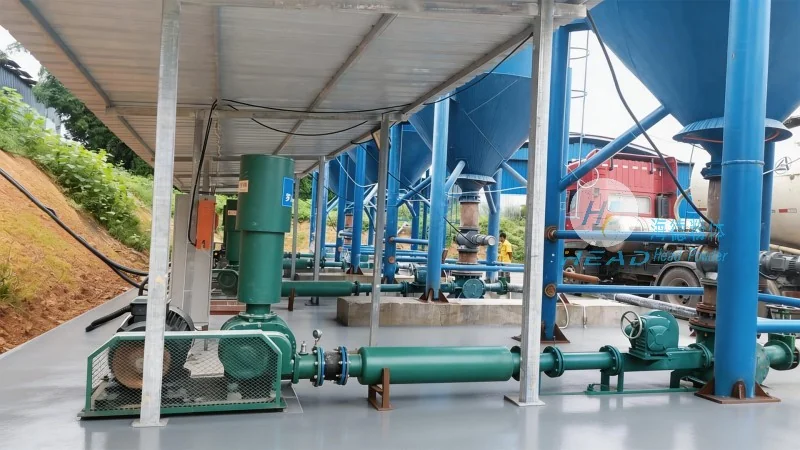
Key Working Scene Characteristics
The operational environment of aluminum foil pneumatic conveying systems is defined by several critical characteristics that influence system design and performance. Firstly, the material's low density and tendency to form aggregates require specialized feeding mechanisms, such as rotary valves or vibratory feeders, to ensure uniform material introduction into the pipeline. Secondly, the risk of static electricity buildup necessitates the use of grounding and antistatic measures to prevent sparks or material discharge issues. Thirdly, the need for a dust-free environment in food or pharmaceutical applications demands high-efficiency filtration systems to capture fine particles and maintain air quality standards. Additionally, the system's ability to handle varying material flow rates and maintain consistent pressure levels is essential for seamless integration with downstream processing equipment.
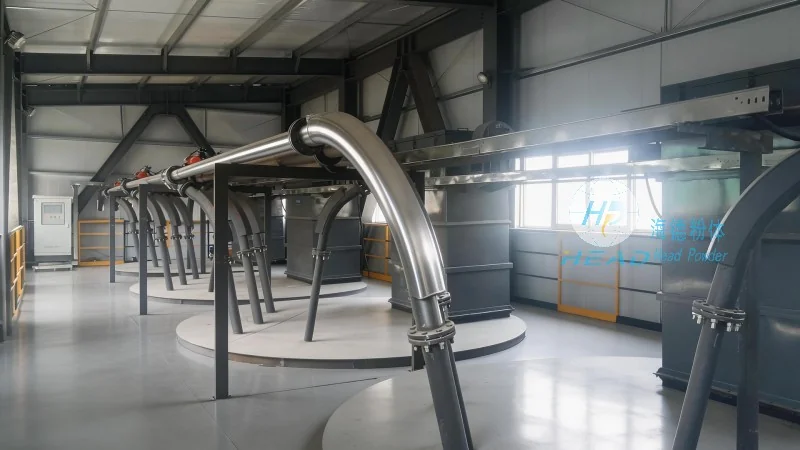
Application Scenarios and Industry Benefits
Aluminum foil pneumatic conveying systems are widely applied in various industrial settings, including aluminum foil manufacturing plants, packaging facilities, and recycling operations. In manufacturing, these systems efficiently transport raw aluminum foil from casting lines to rolling machines, minimizing manual handling and reducing the risk of product contamination. In packaging, they enable the seamless transfer of foil sheets to printing or laminating lines, ensuring precise alignment and consistent quality. For recycling facilities, pneumatic conveying systems facilitate the collection and transport of aluminum foil scraps, optimizing the recycling process and reducing waste. The primary benefits of these systems include improved material handling efficiency, reduced labor costs, enhanced product quality, and compliance with environmental regulations.
Conclusion
HeadPowder's aluminum foil material pneumatic conveying systems represent a sophisticated solution to the unique challenges of handling aluminum foil. By integrating advanced engineering principles and tailored design features, these systems provide reliable, efficient, and cost-effective material transport solutions for a range of industrial applications. With a strong presence in Shandong, China, HeadPowder continues to innovate in material handling technology, delivering high-quality equipment that meets the evolving needs of the aluminum foil industry.




