HeadPowder, a leading provider in the field of material handling solutions, specializes in the design and manufacturing of advanced pneumatic conveying systems. Based in Shandong, China, the company has established itself as a trusted partner for industries requiring efficient and reliable transportation of bulk materials, particularly in the fertilizer sector. This article delves into the core principles of ammonium fertilizer material pneumatic conveying equipment and explores the distinct characteristics of its operational environments.
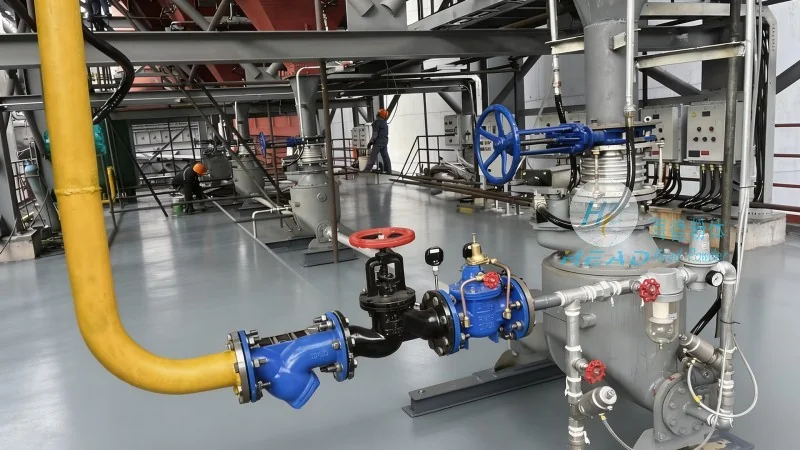
Overview of Ammonium Fertilizer Material Pneumatic Conveying Equipment
Ammonium fertilizer material pneumatic conveying equipment is a specialized system engineered to transport bulk ammonium-based fertilizers through an air-driven process. Unlike traditional mechanical conveyors, this technology utilizes compressed air or vacuum to move the material from a source to a destination, such as storage silos, processing units, or distribution points. The equipment is designed to handle the unique properties of ammonium fertilizers, including their granular or powder form, moisture content, and potential dust generation, ensuring safe and efficient handling throughout the process.
The Working Principle of Pneumatic Conveying Systems
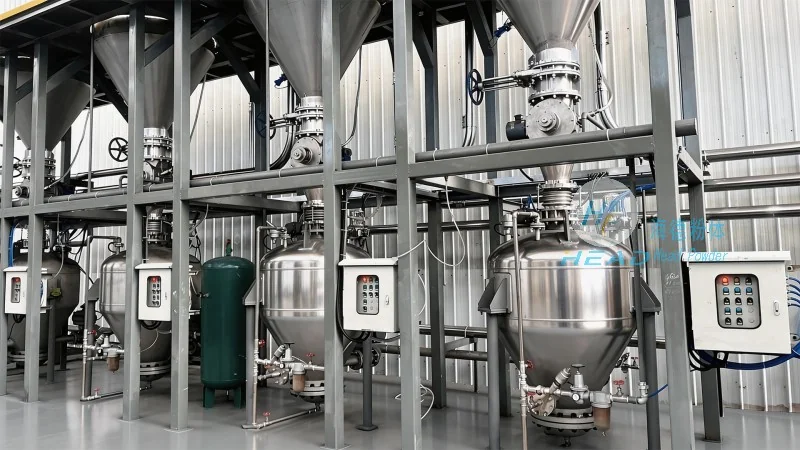
The fundamental principle behind pneumatic conveying is the use of air as a medium to transport solid materials. In the case of ammonium fertilizer applications, the system typically operates under positive pressure (pressure conveying) or negative pressure (vacuum conveying). Positive pressure systems involve blowing air through the material, while negative pressure systems create a vacuum to draw the material into the system. The choice between these two methods depends on factors like the distance of transport, the material's characteristics, and the layout of the facility. The equipment includes key components such as a hopper for material storage, a conveyor line (often with flexible hoses or rigid pipes), a blower or vacuum pump to generate the air flow, and a receiver for the material at the destination. As the material is introduced into the system, it is mixed with the air stream, creating a slurry-like mixture that is then propelled through the conveying line. The velocity of the air ensures that the material particles are suspended and transported efficiently, minimizing blockages and ensuring consistent flow rates.
Key Features and Advantages in Operational Environments
When deployed in various operational environments, ammonium fertilizer material pneumatic conveying equipment exhibits several notable characteristics that make it ideal for industrial applications. One of the primary advantages is its ability to handle large volumes of material with minimal labor requirements. The system can transport thousands of tons of fertilizer per hour, significantly increasing productivity compared to manual or mechanical methods. Additionally, pneumatic conveying systems are highly flexible, allowing for changes in the layout of the facility without major modifications to the equipment. This adaptability is particularly valuable in dynamic industrial settings where processes may evolve over time.
Another critical feature is the enhanced safety provided by the enclosed system. Ammonium fertilizers can generate dust, which poses health risks and fire hazards. The pneumatic conveying equipment operates within a sealed environment, preventing dust from escaping into the workplace and reducing the risk of respiratory issues or explosions. This safety aspect is especially important in environments where human operators are present, such as fertilizer processing plants or distribution centers.
Application Scenarios and Operational Characteristics
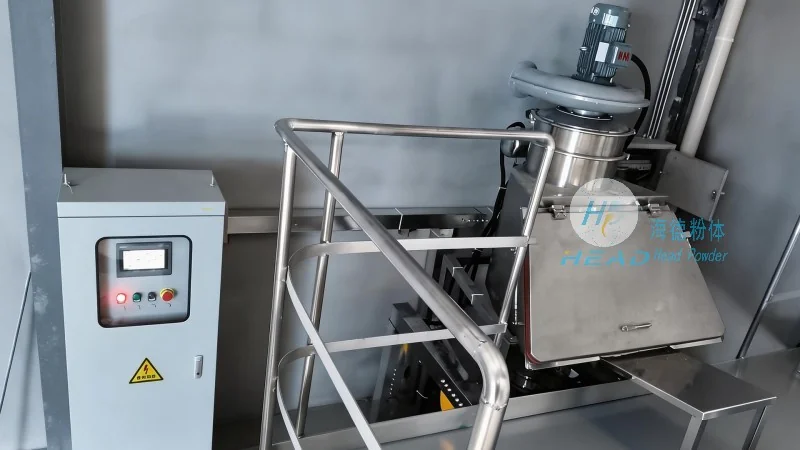
The operational environments where ammonium fertilizer material pneumatic conveying equipment is commonly used vary widely, each presenting unique challenges and requirements. In industrial fertilizer manufacturing plants, the system is often employed to transport raw materials from storage silos to processing units, ensuring a continuous supply of feedstock for production. The equipment is typically integrated into the plant's infrastructure, with the conveyor lines running through or alongside production lines, connecting different stages of the manufacturing process.
In agricultural supply chain operations, the equipment is used to move finished ammonium fertilizers from production facilities to storage warehouses or directly to farms. This application is crucial for maintaining the efficiency of the supply chain, as it allows for the rapid and safe transfer of bulk materials over considerable distances. The flexibility of the system enables it to adapt to different warehouse layouts, whether in urban or rural settings, ensuring that the fertilizer can be stored and distributed as needed.
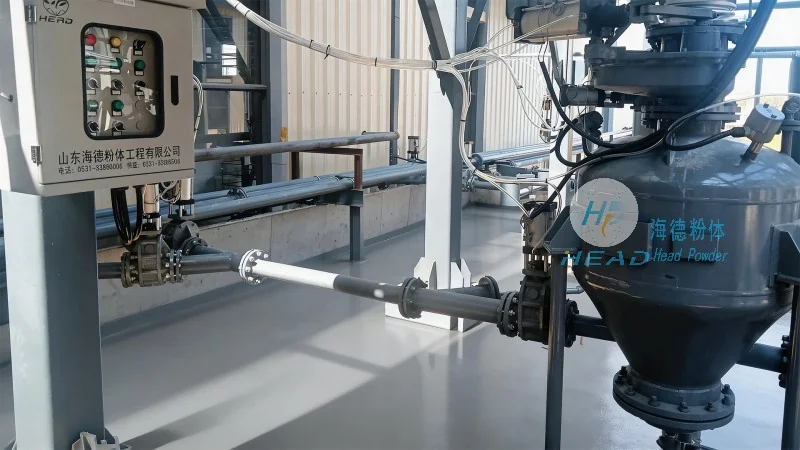
In addition to industrial and agricultural settings, the equipment is also utilized in specialized applications such as fertilizer blending and mixing operations. Here, the pneumatic conveying system plays a vital role in combining different types of fertilizers to create customized blends tailored to specific crop needs. The precise control over the material flow and mixing ratios ensures that the final product meets quality standards and is effective for agricultural use. The system's ability to handle various particle sizes and moisture contents makes it suitable for a wide range of blending applications.
Conclusion: The Role of Pneumatic Conveying in Modern Fertilizer Handling
Ammonium fertilizer material pneumatic conveying equipment represents a sophisticated solution for the efficient and safe handling of bulk materials in the fertilizer industry. By leveraging the principles of air-driven transport, this technology addresses the challenges associated with traditional conveying methods, offering enhanced productivity, flexibility, and safety. As industries continue to demand higher efficiency and reliability in material handling, the application of pneumatic conveying systems will likely expand, further solidifying its role as a cornerstone of modern fertilizer processing and distribution. HeadPowder, with its expertise in engineering and manufacturing, remains at the forefront of providing tailored solutions that meet the evolving needs of the fertilizer sector.




