Continuous material handling systems are integral to modern industrial operations, enabling the efficient and uninterrupted movement of goods from one point to another. These systems are designed to handle a wide range of materials, including bulk items, packaged products, and even delicate components, ensuring smooth workflow and increased productivity in various industrial settings.
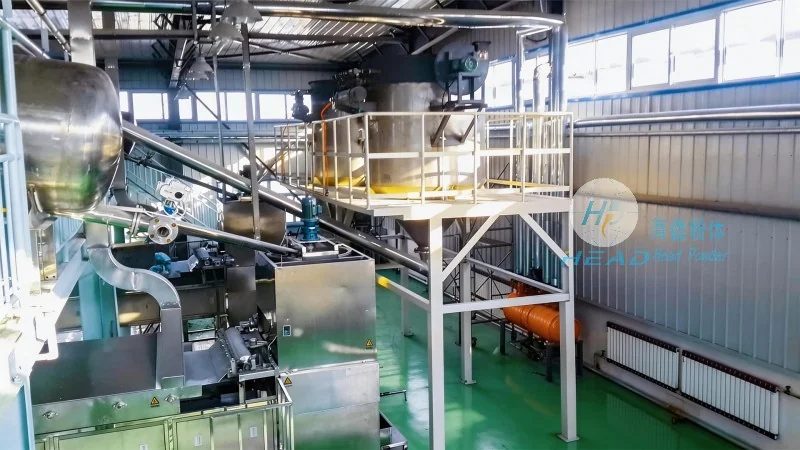
Core Principles of Continuous Material Handling Systems
The fundamental principle of continuous material handling systems revolves around the concept of unbroken material flow. Unlike batch handling methods that involve stopping and starting the process, continuous systems operate in a seamless manner, maintaining a constant or near-constant rate of material movement. This is achieved through several key components that work in tandem to ensure optimal performance.
At the heart of these systems is the conveyor mechanism, which can take various forms such as belt conveyors, chain conveyors, or roller conveyors. Each type is selected based on the material characteristics, load capacity, and operational environment. For instance, belt conveyors are ideal for transporting lightweight or irregularly shaped items, while chain conveyors are better suited for heavier loads or applications requiring higher durability. The choice of conveyor type directly impacts the system's efficiency and reliability.
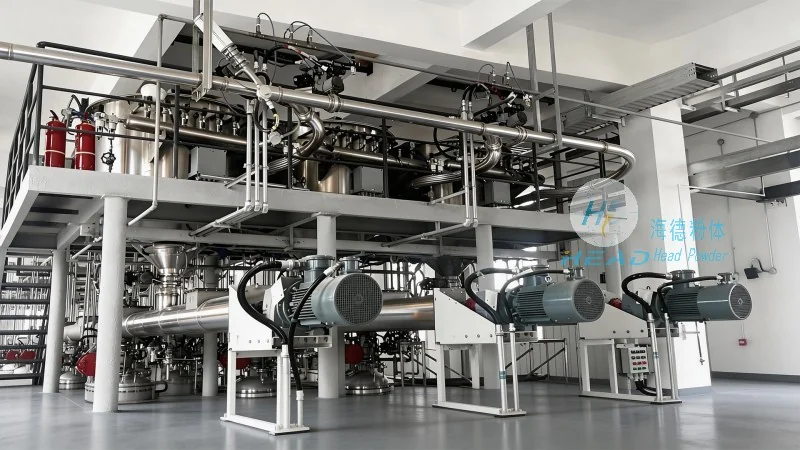
Complementing the conveyor is the drive system, which provides the necessary power to move the material. This can include electric motors, gearboxes, and control panels that regulate the speed and direction of the conveyor. Modern systems often incorporate variable frequency drives (VFDs) to adjust the speed dynamically, allowing for real-time adjustments based on production demands. This flexibility is crucial for maintaining optimal throughput and minimizing downtime.
The control system is another critical component, responsible for monitoring and managing the entire operation. It may include sensors, controllers, and software that track the position of materials, detect jams or blockages, and initiate corrective actions automatically. Advanced control systems can also integrate with other factory automation tools, such as robotics or warehouse management systems, to create a cohesive production line.
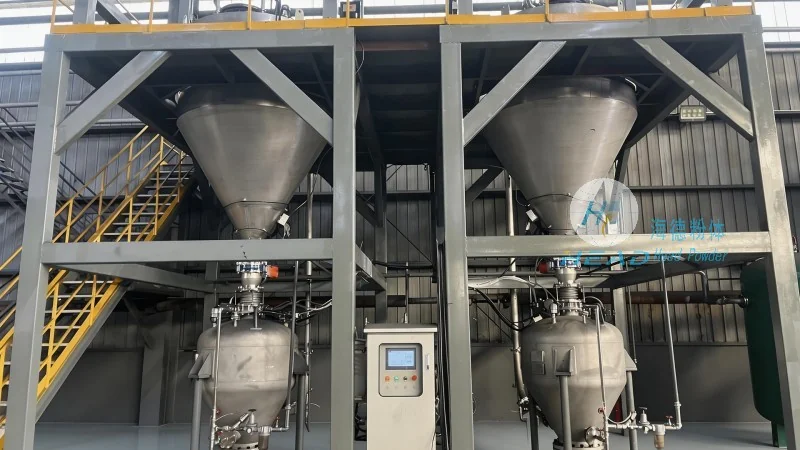
Material handling systems also rely on support structures and accessories to enhance functionality. Support structures, like frames or supports, ensure the stability of the conveyor and prevent it from shifting during operation. Accessories, including idlers, pulleys, and tensioning devices, help maintain the proper tension and alignment of the conveyor belt or chain, reducing wear and tear and extending the system's lifespan.
Working Scene Characteristics and Applications
Continuous material handling systems are widely used across diverse industrial sectors, each with unique requirements and operational characteristics. Understanding these working scene characteristics is essential for selecting the right system for a specific application.
In the manufacturing industry, these systems are commonly employed in assembly lines, where they transport raw materials to workstations and finished products to packaging areas. The continuous nature of the system ensures that production processes run smoothly without interruptions, which is vital for meeting tight production schedules and maintaining high output levels. For example, in automotive manufacturing, conveyor systems move car bodies from welding stations to painting lines, while in electronics manufacturing, they transport circuit boards from assembly to testing stages.
The logistics and warehousing sector also heavily relies on continuous material handling systems for order fulfillment and inventory management. In distribution centers, these systems help move pallets of goods from receiving docks to storage racks and then to shipping areas. The ability to handle large volumes of items efficiently is critical in this sector, as it directly impacts order processing times and customer satisfaction. Automated conveyor systems, often integrated with barcode scanners and sorting mechanisms, can sort items based on destination, further optimizing the logistics process.
In the mining and construction industries, continuous material handling systems are used to transport bulk materials such as coal, ore, or sand. These systems are typically designed to withstand harsh environmental conditions and heavy loads. For instance, in coal mines, conveyor belts transport extracted coal from the mine face to processing facilities, while in construction sites, they move building materials from storage to work areas. The durability and reliability of these systems are paramount in such demanding environments.
Even in the food and beverage industry, continuous material handling systems play a crucial role in processing and packaging operations. These systems are designed to handle food products safely, often incorporating features like sanitation, temperature control, and non-stick surfaces to prevent contamination. For example, in a bakery, conveyor systems move loaves of bread from ovens to packaging lines, while in a beverage plant, they transport bottles or cans from filling machines to labeling stations. The hygienic design of these systems ensures compliance with food safety regulations.
Advantages and Considerations in Implementing Continuous Material Handling Systems
Adopting continuous material handling systems offers several advantages that contribute to improved operational efficiency and cost savings. However, there are also considerations to keep in mind when selecting and implementing such systems.
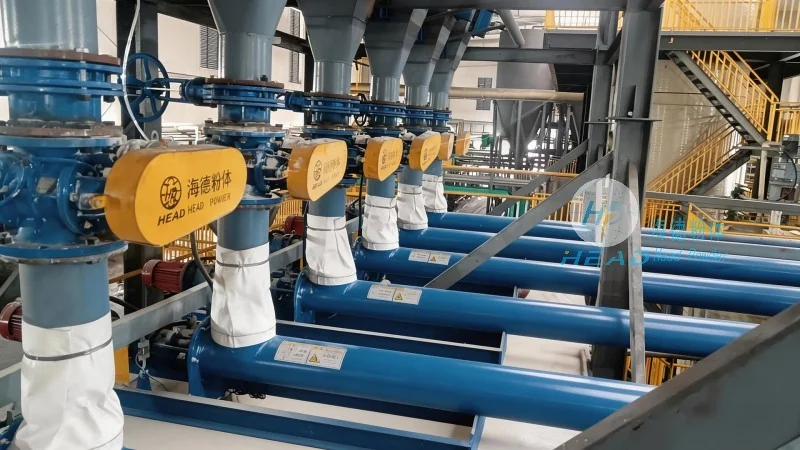
One of the primary benefits is the increased productivity achieved through continuous operation. Unlike batch systems that require manual intervention or downtime between batches, continuous systems maintain a steady flow of materials, reducing idle time and maximizing output. This is particularly beneficial in high-volume production environments where every minute of downtime can result in significant losses.
Another key advantage is the reduced labor costs. By automating the material handling process, companies can minimize the need for manual labor, which not only lowers labor expenses but also reduces the risk of workplace injuries. Automated systems can handle heavy or repetitive tasks, allowing human workers to focus on more value-added activities, such as quality control or process optimization.
Continuous systems also contribute to improved safety in the workplace. By eliminating the need for manual lifting and moving of heavy loads, these systems reduce the risk of musculoskeletal injuries and other accidents. Additionally, the use of sensors and control systems helps prevent collisions and other hazards, creating a safer working environment.
However, implementing continuous material handling systems requires careful planning and consideration. The initial investment can be significant, as these systems involve complex components and installation costs. Companies must also consider factors such as space availability, material compatibility, and maintenance requirements. Proper maintenance is crucial to ensure the system operates efficiently and has a long service life. Regular inspections, lubrication, and component replacements are necessary to prevent breakdowns and minimize downtime.




