In the production of lithium-ion batteries, the efficient and reliable handling of positive and negative electrode materials is a critical step. These materials, often in powder or granular form, require specialized equipment to ensure consistent quality and minimize material loss during transport. Pneumatic conveying systems have emerged as a preferred solution for many manufacturers due to their ability to handle delicate powders while maintaining high throughput and low contamination risks. However, selecting the appropriate system for a specific application requires careful consideration of several key factors, including material properties, process requirements, and operational environment.
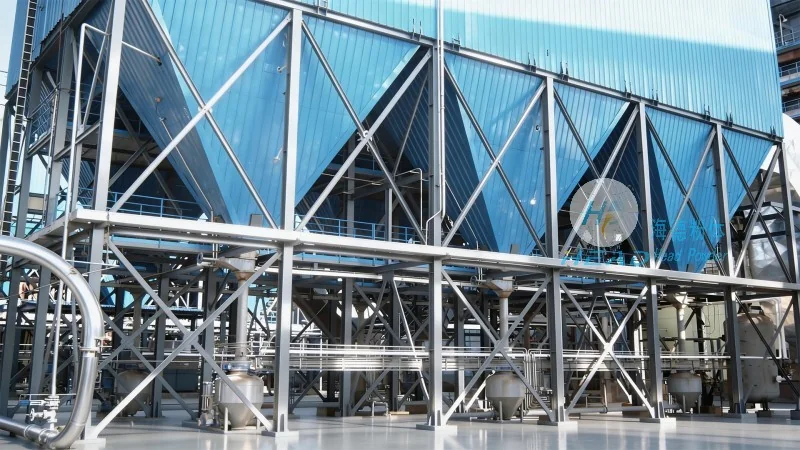
Key Factors to Consider When Choosing a Pneumatic Conveying System
When evaluating pneumatic conveying systems for lithium-ion battery electrode material handling, several critical factors must be addressed to ensure optimal performance and longevity. First, the physical and chemical properties of the material itself play a significant role. Materials like graphite, lithium cobalt oxide (LCO), or nickel manganese cobalt oxide (NMC) have varying particle sizes, densities, and flow characteristics. For instance, fine powders may require systems with lower air velocities to prevent particle degradation or clogging, while coarser materials might benefit from higher air velocities to maintain flow. Additionally, the material's hygroscopic nature or sensitivity to moisture can influence the choice of system components, such as sealed pipelines or moisture-resistant materials.
Second, the production process and throughput requirements are essential considerations. Manufacturers may need to handle varying volumes of material, from small-scale laboratory batches to large-scale industrial production lines. The conveying system must be capable of matching the required flow rates without compromising system efficiency or causing excessive energy consumption. This often involves selecting between different types of pneumatic conveying, such as pressure or vacuum systems, based on the specific process layout and material movement needs. For example, pressure systems are typically used for long-distance or high-volume transport, while vacuum systems are better suited for short-distance or gentle material handling.
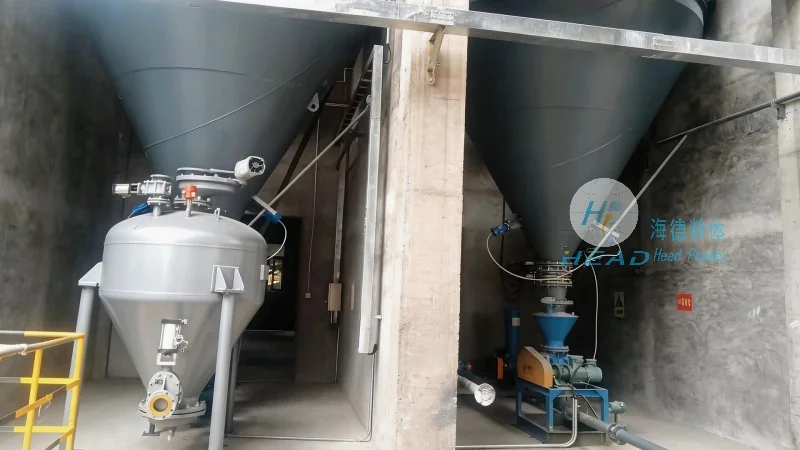
Third, the operational environment and space constraints must be taken into account. Many battery production facilities are compact, with limited room for large equipment. Pneumatic conveying systems can be designed to fit within tight spaces, using flexible hoses or compact pipelines to navigate around existing machinery. Furthermore, the system's compatibility with existing infrastructure, such as existing air compressors or dust collection systems, is crucial for minimizing installation costs and ensuring smooth integration into the production line.
HeadPowder's Expertise in Pneumatic Conveying Solutions
Shandong HeadPowder Engineering Co., Ltd., a leading provider of material handling solutions, specializes in designing and manufacturing customized pneumatic conveying systems tailored to the unique needs of lithium-ion battery manufacturers. With years of experience in the industry, HeadPowder understands the specific challenges faced by battery producers, including material sensitivity, process efficiency, and system reliability. The company's team of engineers works closely with clients to assess their material properties, production requirements, and operational constraints, ensuring that the final system is optimized for performance and durability.
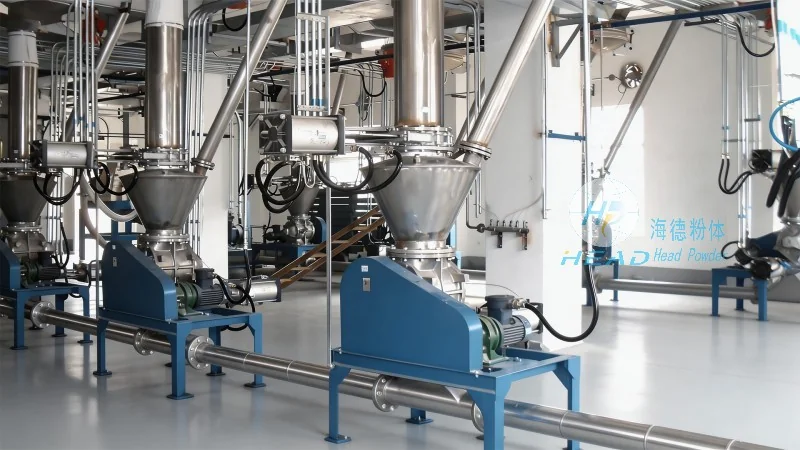
HeadPowder offers a range of pneumatic conveying solutions, including dilute phase and dense phase systems, to accommodate different material types and handling requirements. For example, dilute phase systems are ideal for transporting fine powders over medium distances, while dense phase systems are better suited for handling bulk materials or materials that are prone to degradation at high velocities. The company also provides advanced features such as inline filters, material dryers, and pressure relief valves to enhance system performance and protect the material from contamination or damage.
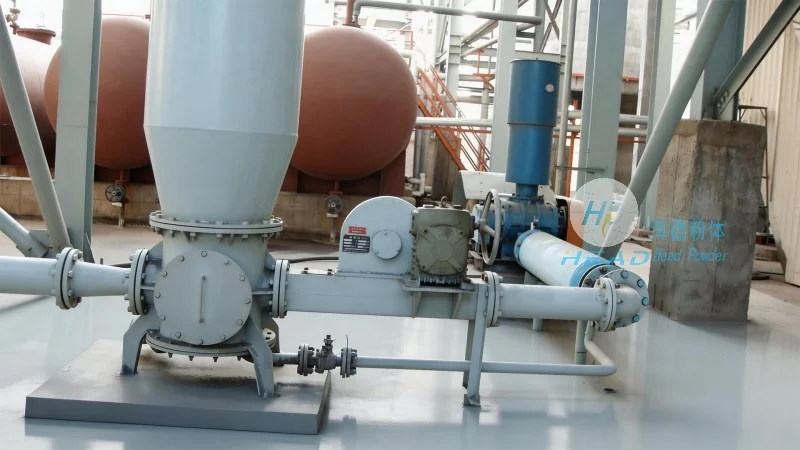
Furthermore, HeadPowder's systems are designed with durability and ease of maintenance in mind. High-quality materials, such as stainless steel or corrosion-resistant alloys, are used in the construction of pipelines, valves, and other components to ensure long-term reliability. The company also offers comprehensive after-sales support, including system maintenance, spare parts availability, and technical assistance, to help clients maximize the lifespan and efficiency of their conveying systems.
Conclusion: Choosing the Right System for Your Battery Production
Selecting the appropriate pneumatic conveying system for lithium-ion battery positive and negative electrode material handling is a critical decision that can significantly impact production efficiency, material quality, and overall operational costs. By considering factors such as material properties, process requirements, and operational environment, manufacturers can choose a system that meets their specific needs while ensuring optimal performance and reliability. With its expertise and customized solutions, Shandong HeadPowder Engineering Co., Ltd. is a trusted partner for battery manufacturers seeking to enhance their material handling processes and improve overall production efficiency.




