For industries dealing with bulk powder materials, efficient and reliable material handling is crucial. A pneumatic conveying system offers a sophisticated solution to transport mineral powders and other fine materials over long distances with minimal disruption. This article explores the working principle and key features of such a system, highlighting its advantages and practical applications.
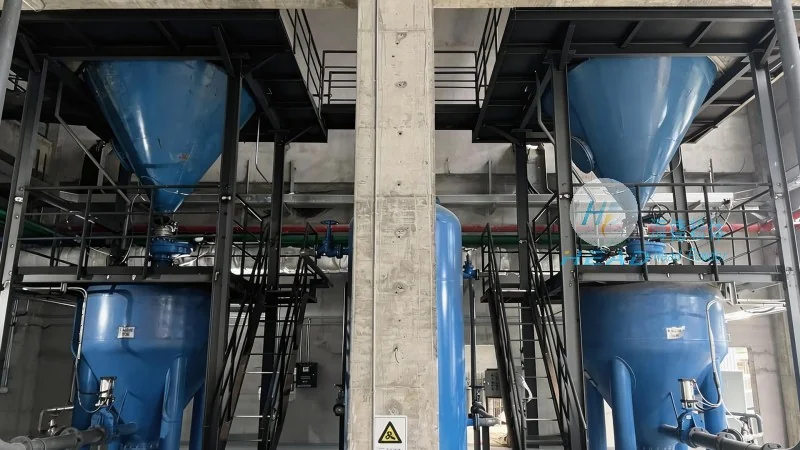
Understanding the Working Principle of a Pneumatic Conveying System
The core of a pneumatic conveying system lies in its ability to use air as the conveying medium. The system typically operates through two main modes: pressure and vacuum. In a pressure system, compressed air is introduced into a hopper or storage silo, creating a pressure differential that forces the powder material into a pipeline. The air and powder mixture then travels through the pipeline to the destination point, where the material is discharged. Conversely, a vacuum system uses a vacuum pump to create a negative pressure in the pipeline, drawing the powder from the source to the destination. Both methods rely on the interaction between the air flow and the powder particles to achieve transport.
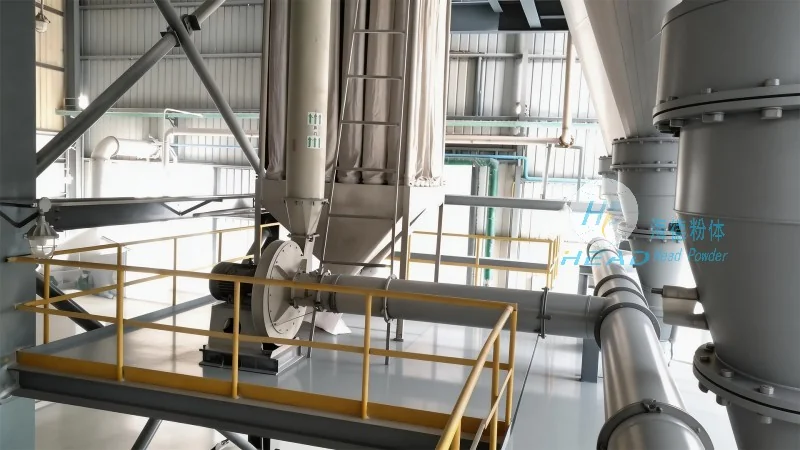
Key Features and Advantages of Pneumatic Conveying Systems
One of the primary features of a pneumatic conveying system is its high efficiency in material transport. Unlike traditional methods like belt conveyors or bucket elevators, pneumatic systems can handle fine and abrasive powders without the risk of material degradation or equipment wear. The system also offers flexibility in layout, as pipelines can be installed in various configurations to accommodate complex plant layouts. Additionally, pneumatic conveying is considered environmentally friendly, as it eliminates the need for open-air handling, reducing dust emissions and improving workplace safety. Another notable feature is the ability to integrate with other processing equipment, such as mixers, classifiers, and storage tanks, creating a seamless material flow within the production line.
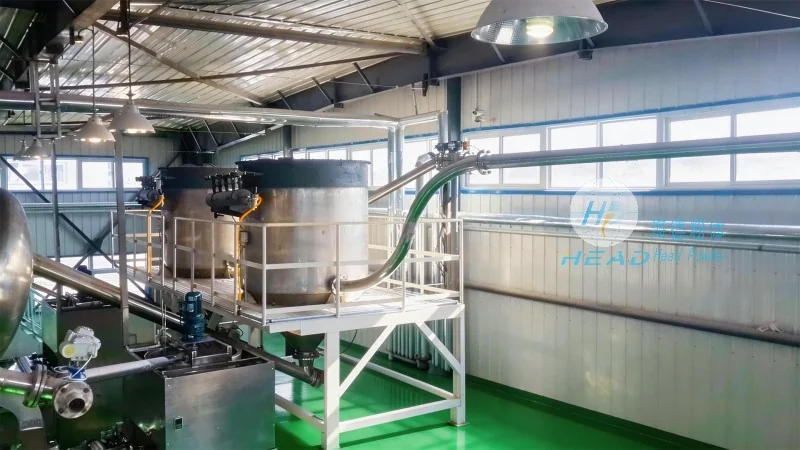
Application Examples and Industry Benefits
Pneumatic conveying systems are widely used in various industries, including mining, chemical processing, food processing, and pharmaceuticals. For instance, in the mining sector, these systems are essential for transporting ore powders from crushers to grinding mills or storage facilities. In the chemical industry, they efficiently handle powders like cement, limestone, and additives, ensuring consistent quality and reducing processing time. The benefits extend to cost savings, as the system minimizes material loss and reduces maintenance costs associated with traditional handling equipment. Furthermore, the system's ability to handle abrasive materials without significant wear and tear makes it a long-term investment for industrial operations.
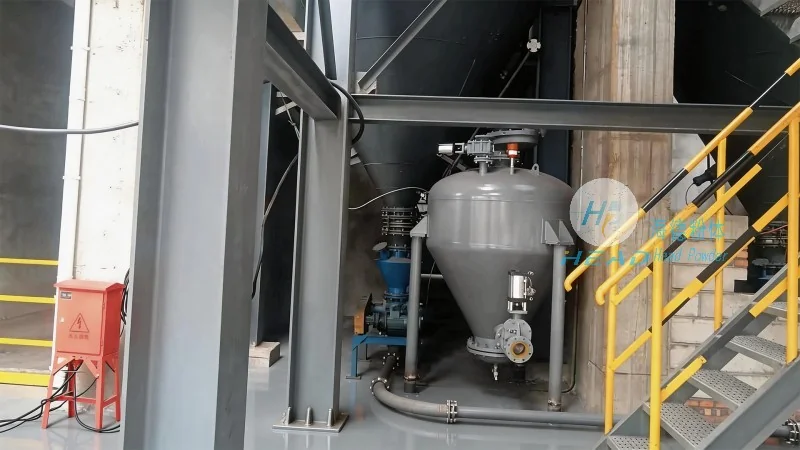
About Shandong HeadPowder Engineering Co., Ltd.
Shandong HeadPowder Engineering Co., Ltd., commonly known as HeadPowder, is a leading provider of advanced pneumatic conveying solutions. With a focus on innovation and customer satisfaction, the company specializes in designing, manufacturing, and installing customized systems tailored to the specific needs of its clients. HeadPowder's expertise lies in understanding the unique challenges of powder material handling and developing solutions that enhance operational efficiency and safety. The company's facilities are located in Shandong, China, where it leverages local resources and industry knowledge to deliver high-quality products and services. By partnering with HeadPowder, industries can benefit from reliable and efficient material transport systems that meet international standards and improve overall productivity.




