For industrial applications, especially in environments where dust and particulate matter are prevalent, efficient material handling is crucial. The material pneumatic conveying system, often integrated into dust collection stations, serves as a vital component for transporting bulk materials from one location to another while maintaining air quality and operational efficiency. This article explores the working principle and key features of such systems, highlighting their importance in modern industrial processes.
Working Principle of Material Pneumatic Conveying Systems
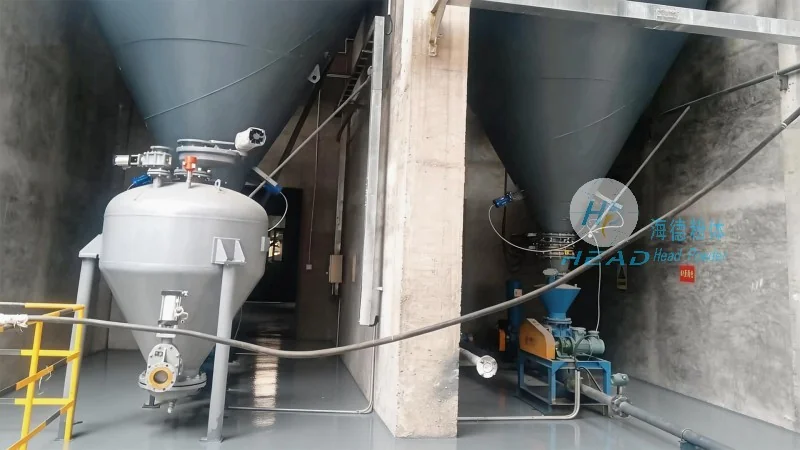
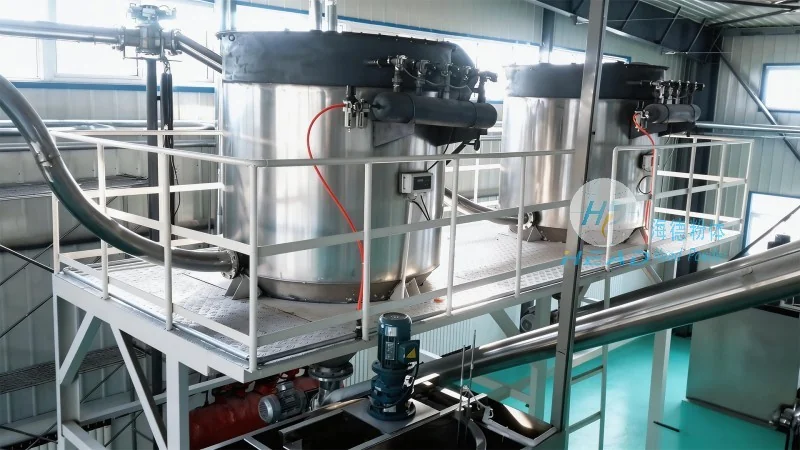
The core of a material pneumatic conveying system lies in its ability to use air or gas as the conveying medium to transport dry bulk materials. The system typically operates on the principle of creating a pressure differential between the inlet and outlet of the conveying line. Air is introduced into the system, often through a blower or fan, which generates the necessary pressure to move the material particles. The material is fed into the system via a hopper or feeder, and as the air flows through the pipeline, it lifts and propels the particles forward. The system may use either positive pressure (where air is forced into the line) or negative pressure (where air is drawn out), depending on the specific application and material characteristics. The design of the system, including the size of the pipeline, the speed of the air, and the type of feeder, is critical to ensuring efficient and reliable material transport.
Key Features of Material Pneumatic Conveying Systems
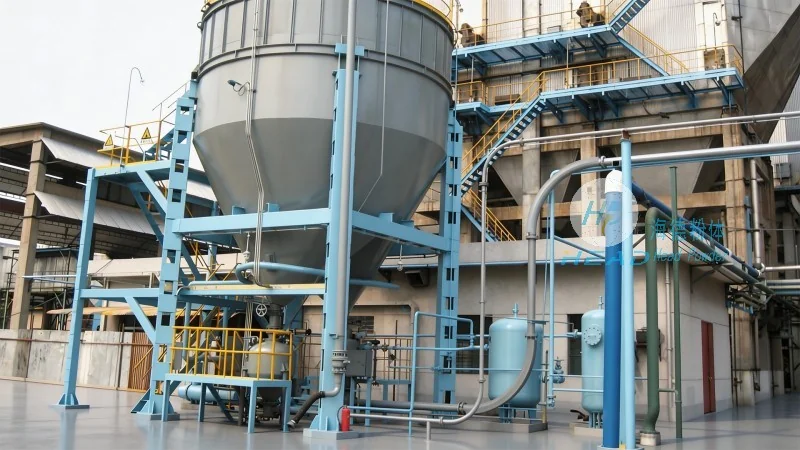
Several notable features distinguish material pneumatic conveying systems in dust collection stations. Firstly, these systems offer a closed-loop operation, which helps to contain dust and prevent environmental contamination. This is particularly important in industrial settings where air quality regulations are stringent. Secondly, the systems are highly flexible in terms of layout and can be adapted to various plant configurations, allowing for easy integration into existing dust collection infrastructure. Thirdly, they provide a relatively low maintenance requirement compared to other material handling methods, such as belt conveyors, due to the absence of moving parts in the conveying line itself. Additionally, the systems can handle a wide range of materials, from fine powders to larger granules, making them versatile for different industrial applications. Another advantage is the ability to transport materials over long distances with minimal energy consumption, which contributes to overall operational cost savings.
About Shandong HeadPowder Engineering Co., Ltd.
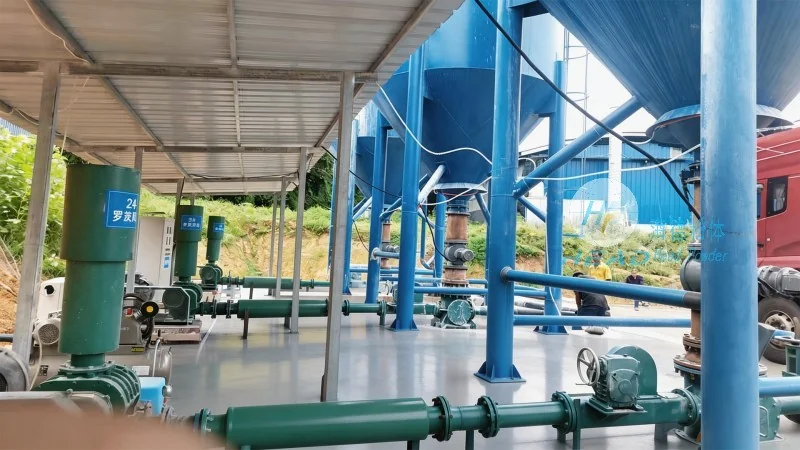
As a leading provider of industrial engineering solutions, Shandong HeadPowder Engineering Co., Ltd. specializes in designing and manufacturing advanced material handling systems, including pneumatic conveying solutions for dust collection stations. With a focus on innovation and customer-centric design, the company has established itself as a trusted partner in the industry, delivering high-quality equipment that meets the stringent requirements of modern industrial operations. HeadPowder's expertise in material handling technology ensures that their systems are reliable, efficient, and tailored to the specific needs of each client, contributing to improved productivity and environmental compliance.




