Foundry sand handling is a critical process in the manufacturing of castings. Efficient and reliable sand transport is essential to maintain production continuity and ensure quality control. Pneumatic conveying systems offer a solution that can handle the unique challenges of foundry sand, including its abrasive nature and varying particle sizes. This article explores the key considerations for designing a reasonable foundry sand pneumatic conveying system, focusing on the technical and practical aspects that ensure optimal performance.
About HeadPowder Engineering
HeadPowder, or Shandong HeadPowder Engineering Co., Ltd., is a leading provider of engineering solutions for material handling, particularly in the foundry industry. With a strong presence in China, specifically in Shandong, the company specializes in designing and implementing pneumatic conveying systems tailored to the specific needs of foundry operations. Their expertise lies in understanding the unique characteristics of foundry sand and translating them into effective system designs that enhance productivity and reduce operational costs.
Types of Pneumatic Conveying Systems for Foundry Sand
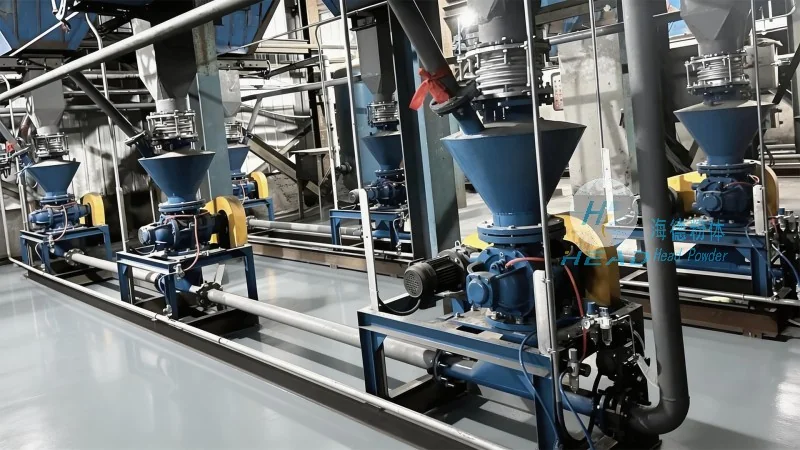
When designing a foundry sand pneumatic conveying system, the first decision is the type of system to use. There are two primary categories: dilute-phase and dense-phase systems. Dilute-phase systems are suitable for short distances and low to moderate material loads, where the sand is carried in a high-velocity air stream. Dense-phase systems, on the other hand, use lower air velocities and higher material concentrations, making them ideal for longer distances and more abrasive materials. The choice between these systems depends on factors such as the distance between the sand source and destination, the volume of sand to be transported, and the specific characteristics of the foundry sand being handled.
Key Design Parameters for Foundry Sand Pneumatic Conveying
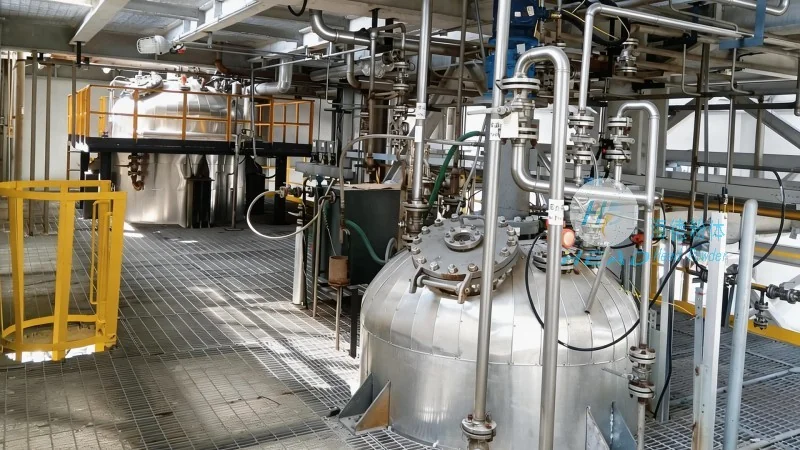
Several critical parameters must be considered when designing a foundry sand pneumatic conveying system. These include the air velocity, which must be sufficient to keep the sand particles suspended but not so high as to cause excessive wear on the system components. The pipe diameter is another important factor, as it affects the pressure drop and the capacity of the system. The system's pressure requirements are also crucial, as they determine the size and type of the air compressor and other components. Additionally, the material of construction for the pipes and components must be selected to withstand the abrasive nature of foundry sand, typically requiring materials such as stainless steel or special alloys.
System Layout and Installation Considerations
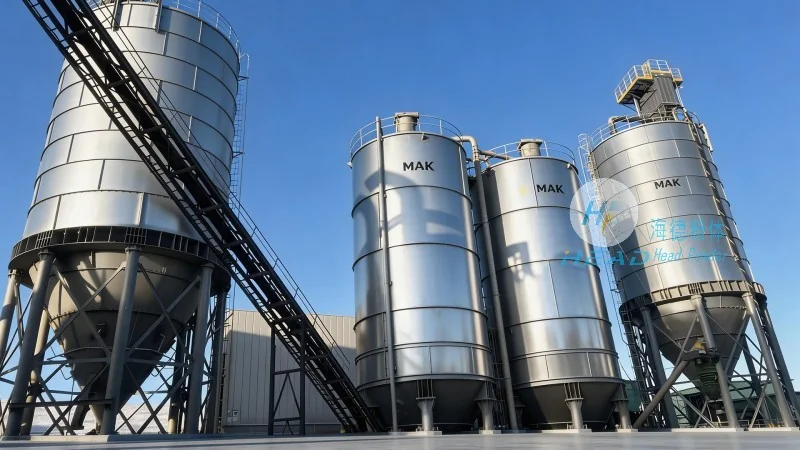
The layout of the pneumatic conveying system is a critical aspect of its design. The system should be designed to minimize the number of bends and changes in direction, as these can cause pressure losses and increase the risk of material buildup. The height and position of the sand source and destination points are also important considerations, as they affect the air pressure required to move the sand. Proper installation of the system components, including the air compressor, filters, and control valves, is essential to ensure smooth operation and prevent maintenance issues. HeadPowder Engineering provides comprehensive guidance on system layout, ensuring that the final design is both efficient and cost-effective.
Maintenance and Optimization of Foundry Sand Pneumatic Conveying Systems
Regular maintenance is essential to ensure the long-term performance and reliability of a foundry sand pneumatic conveying system. This includes monitoring air pressure and flow rates, checking for wear on components, and cleaning the system to prevent clogging. HeadPowder Engineering offers maintenance services and support to help foundry operations keep their systems running at peak efficiency. By implementing regular maintenance and optimization strategies, foundries can extend the life of their equipment, reduce downtime, and improve overall productivity.




