When it comes to handling wood powder efficiently and safely, the design of a pneumatic conveying system is a critical factor. A well-designed system ensures optimal performance, minimal maintenance, and cost-effectiveness. This article will guide you through the key considerations and steps involved in creating a reasonable wood powder pneumatic conveying system plan, focusing on the expertise of Shandong HeadPowder Engineering Co., Ltd., a leading provider in the field.
Understanding the Core Components of a Wood Powder Pneumatic Conveying System
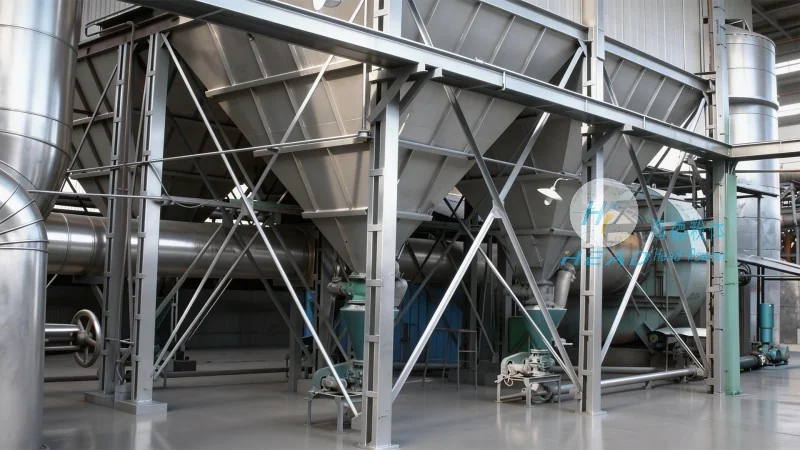
A pneumatic conveying system for wood powder typically consists of several essential components. These include a material feeder, a conveying line (either positive or negative pressure), a separator, and a collection hopper. The material feeder is responsible for introducing the wood powder into the system at a controlled rate. The conveying line transports the material through the system, while the separator separates the powder from the air, allowing the powder to be collected in the hopper. Each component plays a vital role in the overall efficiency and reliability of the system.
Key Design Considerations for Wood Powder Pneumatic Conveying
Designing a pneumatic conveying system for wood powder requires careful consideration of several factors. First, the particle size and moisture content of the wood powder are crucial. Larger particles or higher moisture levels can affect the system's performance, potentially leading to blockages or reduced conveying efficiency. Second, the system's capacity and required conveying distance must be determined based on the production needs. Third, the type of conveying system—positive pressure, negative pressure, or a combination—needs to be selected based on the specific application and material characteristics. Shandong HeadPowder Engineering Co., Ltd. specializes in assessing these factors and designing systems that meet the unique requirements of each client.
Material Feeder Selection and Its Impact on System Performance
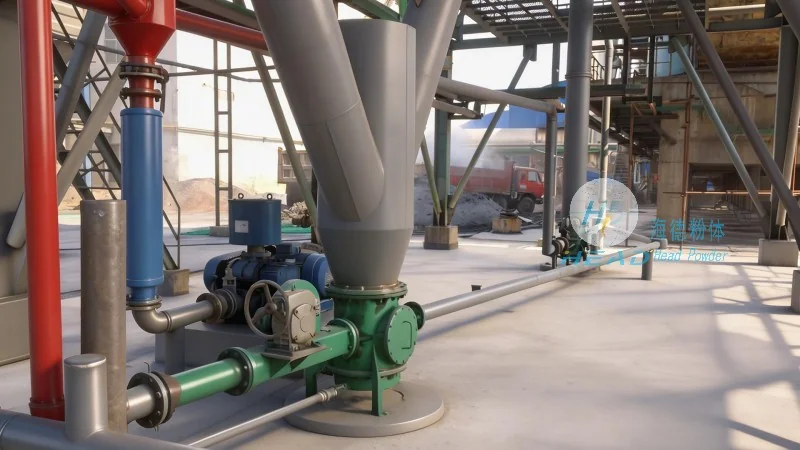
The material feeder is a critical component that directly impacts the system's performance. For wood powder, options such as rotary valves, star feeders, or screw feeders are commonly used. Rotary valves are often preferred due to their ability to handle a wide range of materials and provide consistent feeding rates. The choice of feeder depends on factors like the material's flowability, density, and the required feeding accuracy. A properly selected and sized feeder ensures that the wood powder is introduced into the conveying line at a steady rate, preventing surges or fluctuations that could affect the system's stability.
Conveying Line Design: Pressure and Flow Dynamics
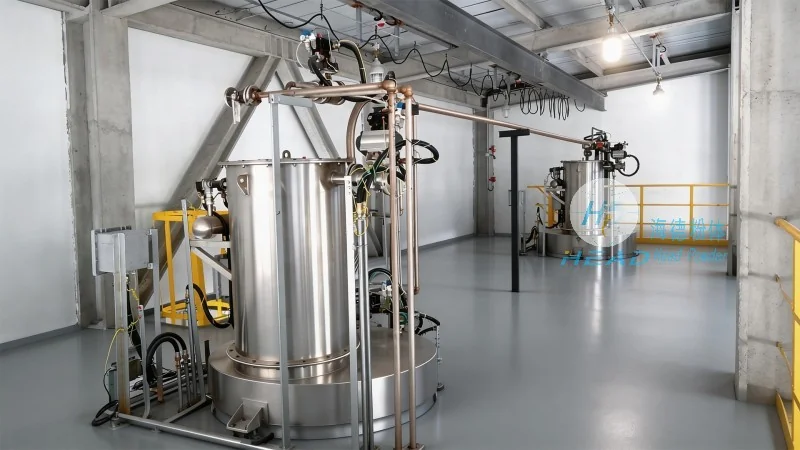
The conveying line design is another key aspect of the system. Positive pressure systems use blowers or compressors to push the material through the line, while negative pressure systems use vacuum to pull the material. The choice between these systems depends on the distance to be covered and the material's properties. For longer distances or when dealing with fine powders, positive pressure systems are often more effective as they can maintain higher pressure and prevent material degradation. The diameter and length of the conveying line also need to be optimized to ensure efficient flow and minimize pressure drop. Shandong HeadPowder Engineering Co., Ltd. employs advanced engineering principles to design conveying lines that maximize efficiency and minimize energy consumption.
Separator and Collection System: Ensuring Clean and Efficient Collection
The separator and collection system are responsible for separating the wood powder from the air and collecting it in a hopper. Cyclone separators are commonly used for this purpose due to their efficiency in separating fine particles. The separator's design, including its diameter, number of stages, and angle, is critical to achieving high separation efficiency. The collection hopper should be designed to handle the volume of material and prevent spillage or re-entrainment of powder. Proper sealing of the hopper and separator is also essential to maintain system integrity and prevent dust emissions. Shandong HeadPowder Engineering Co., Ltd. ensures that the separator and collection system are designed to meet the specific needs of the application, ensuring clean and efficient material collection.
System Integration and Control: Optimizing Operation and Maintenance
Integrating all components and implementing a control system is crucial for the smooth operation of the pneumatic conveying system. The control system should monitor parameters such as pressure, flow rate, and material level, and adjust the system's operation accordingly. This helps in maintaining optimal performance and preventing issues such as overloading or under-conveying. Additionally, the system should be designed with maintenance in mind, ensuring that components are easily accessible and replaceable. Shandong HeadPowder Engineering Co., Ltd. provides comprehensive integration and control solutions, ensuring that the system operates efficiently and requires minimal maintenance over its lifespan.
Case Studies and Real-World Applications
Shandong HeadPowder Engineering Co., Ltd. has successfully implemented numerous wood powder pneumatic conveying systems for various industries. For example, in a wood pellet production facility, the company designed a positive pressure system that conveyed wood powder from a storage silo to a processing unit over a distance of 100 meters. The system was equipped with a rotary valve feeder and a cyclone separator, achieving a conveying capacity of 10 tons per hour with minimal pressure drop. Another project involved a negative pressure system for a wood flour handling application, where the system was designed to handle fine particles with high moisture content, ensuring efficient separation and collection. These case studies demonstrate the effectiveness of the company's design approach and its ability to tailor systems to meet specific client needs.
Conclusion: Partnering with Experts for Optimal Wood Powder Conveying Solutions
Designing a reasonable wood powder pneumatic conveying system requires a deep understanding of material properties, system components, and operational requirements. Shandong HeadPowder Engineering Co., Ltd. brings this expertise to every project, ensuring that the final system is efficient, reliable, and cost-effective. By considering factors such as particle size, moisture content, conveying distance, and system type, the company designs systems that meet the unique needs of each client. Whether you are in the wood pellet, wood flour, or other wood powder processing industry, partnering with Shandong HeadPowder Engineering Co., Ltd. can help you achieve optimal performance and operational efficiency in your pneumatic conveying system.




