

What is an Alumina Hydroxide Material Pneumatic Conveyor? What is its Design Principle?
Alumina hydroxide, a critical raw material in the chemical and ceramic sectors, often requires efficient and reliable handling solutions. The Alumina Hydroxide Material Pneumatic Conveyor is a specialized equipment designed to transport this material in a dust-free and controlled manner. This article explores the functionality and design principles behind this essential industrial equipment.
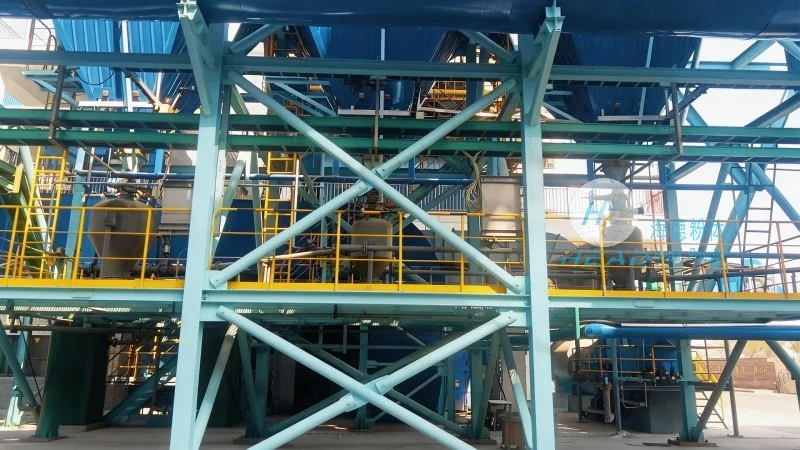
Understanding the Alumina Hydroxide Material Pneumatic Conveyor
At the core of the Alumina Hydroxide Material Pneumatic Conveyor is the process of pneumatic conveying, which utilizes air or gas to move bulk materials through a pipeline system. For alumina hydroxide, a fine, powdery substance, this method offers several advantages over traditional mechanical conveyors. The primary benefit is the ability to transport the material without direct contact, minimizing contamination and ensuring a clean transfer process. This is particularly important in applications where purity is critical, such as in the production of high-purity ceramics or specialty chemicals.
The Design Principles of the Conveyor System
The design of an Alumina Hydroxide Material Pneumatic Conveyor is tailored to address the unique properties of the material. Key design considerations include the material's flowability, particle size distribution, and moisture content. The system typically consists of a hopper for material storage, a blower or compressor to generate the necessary air pressure, and a pipeline network that transports the material from the source to the destination. The choice of air velocity is critical; it must be high enough to keep the material suspended in the air stream but low enough to prevent excessive wear on the equipment and minimize pressure drop. Engineers at Shandong HeadPowder Engineering Co., Ltd. carefully calculate these parameters to ensure optimal performance and longevity of the conveyor.
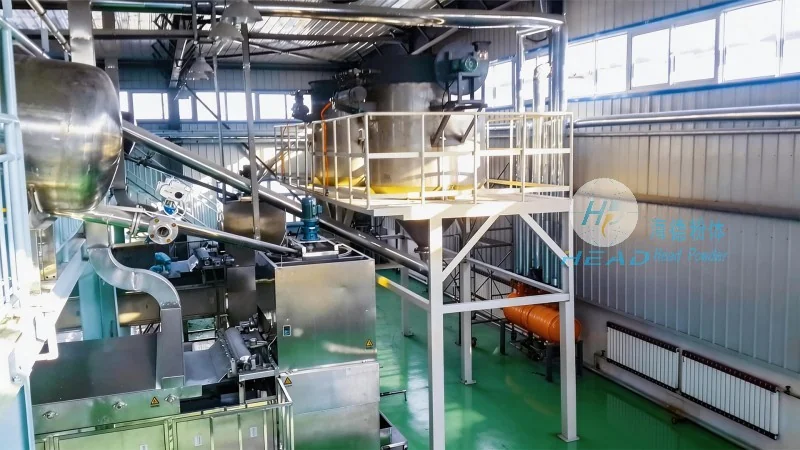
Key Components and Their Functions
Several critical components work in harmony to ensure the efficient operation of the Alumina Hydroxide Material Pneumatic Conveyor. The hopper, often equipped with a feeding mechanism like a rotary valve or a vibratory feeder, controls the flow of alumina hydroxide into the pipeline. The blower or compressor provides the motive force, generating the air pressure needed to move the material. The pipeline itself is usually made of materials resistant to corrosion and abrasion, such as stainless steel or special alloys, to withstand the continuous flow of the fine powder. Additionally, the system may include filters and cyclones to separate the material from the air stream at the receiving end, ensuring that the material is collected in a clean and dry state. The control system, which monitors pressure, flow rate, and other parameters, allows operators to adjust the conveyor settings in real-time, optimizing performance and preventing issues like blockages or excessive pressure.
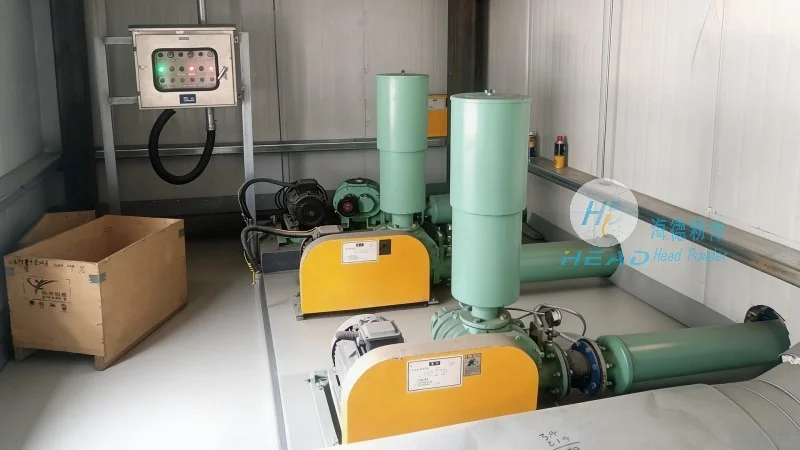
Advantages of Using This Conveyor System
Compared to traditional conveying methods, the Alumina Hydroxide Material Pneumatic Conveyor offers numerous benefits. One of the most significant advantages is the elimination of dust and contamination, which is crucial for maintaining the quality of the final product. The system also reduces labor costs by automating the material handling process, as the conveyor can operate continuously without the need for manual intervention. Additionally, the compact design of the system saves space in industrial facilities, making it suitable for both large-scale production lines and smaller processing plants. The ability to transport the material over long distances without the need for intermediate storage or transfer points further enhances its efficiency. For industries dealing with sensitive materials like alumina hydroxide, this conveyor system provides a reliable and cost-effective solution for material handling.
Application Scenarios and Industry Impact
The Alumina Hydroxide Material Pneumatic Conveyor is widely used in various industrial applications, particularly in the production of ceramics, refractories, and specialty chemicals. In ceramic manufacturing, for example, the conveyor is used to transport alumina hydroxide from storage silos to mixing and processing equipment, ensuring a consistent and controlled supply of raw material. In the production of refractory materials, the conveyor helps in moving the material to the firing kilns, where it is processed into high-strength products. The system's ability to handle fine powders with high efficiency makes it an indispensable tool in these industries. By improving the efficiency of material handling, the conveyor contributes to increased productivity and reduced operational costs for manufacturers. The design and functionality of the system, developed by Shandong HeadPowder Engineering Co., Ltd., reflect a deep understanding of the material's properties and the needs of industrial applications.