HeadPowder, a leading engineering company based in Shandong, China, specializes in the design and implementation of advanced pneumatic conveying systems tailored for grain silos. These systems are engineered to efficiently transport bulk materials such as grains, cereals, and other agricultural products within storage facilities, ensuring optimal performance and reliability.
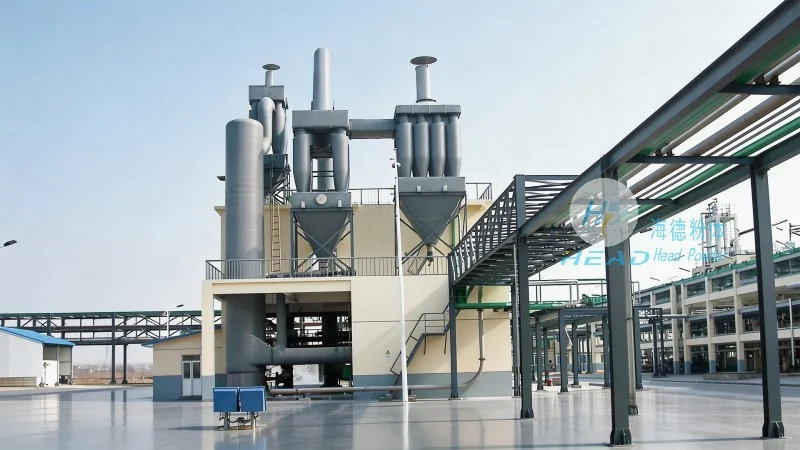
Understanding the Working Principle of Pneumatic Conveying Systems
The core mechanism of a pneumatic conveying system for grain silos involves the use of air pressure to move bulk materials through a network of pipes. The system typically operates by creating a pressure differential, either by generating positive pressure (blowing air into the material) or negative pressure (sucking material through a vacuum). In a positive pressure system, a blower or compressor forces air into the material, which is then carried through the pipeline to the destination. Conversely, a negative pressure system uses a vacuum pump to draw material into the pipe. The choice between these two methods depends on factors such as the material's properties, the distance to be conveyed, and the system's overall efficiency. The system components include a hopper for material storage, a feeder to control the flow rate, a conveying line, and a receiver to deposit the material at the desired location. This integrated approach ensures a seamless and continuous transfer of bulk powders, minimizing downtime and operational disruptions.
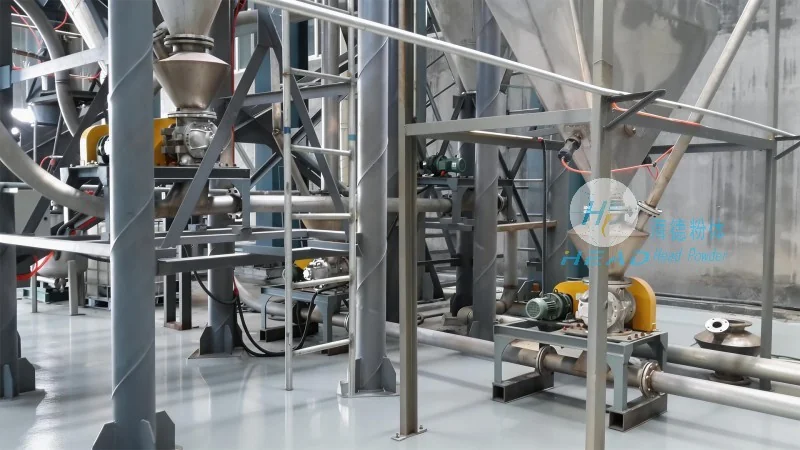
Key Features of Pneumatic Conveying Systems for Grain Silos
HeadPowder's pneumatic conveying systems for grain silos are characterized by several distinct features that enhance their performance and suitability for agricultural applications. Firstly, the systems are designed for high efficiency in material transport, with minimal loss and contamination. The use of sealed pipelines prevents dust and moisture from entering the system, maintaining the quality of the grains. Secondly, the systems offer flexibility in layout, allowing for customized configurations to fit the specific dimensions and constraints of a grain silo. This adaptability is crucial for optimizing space utilization and ensuring that the system integrates smoothly with existing infrastructure. Thirdly, the systems are equipped with advanced control mechanisms that enable precise regulation of flow rates and pressure levels. This feature allows operators to adjust the conveying speed according to the material's characteristics, such as moisture content or particle size, ensuring optimal handling conditions. Additionally, the systems are built with durable materials, such as stainless steel or corrosion-resistant alloys, to withstand the harsh conditions of agricultural environments and the potential for abrasive materials. These features collectively contribute to the longevity and reliability of the system, reducing maintenance costs and extending its operational lifespan.
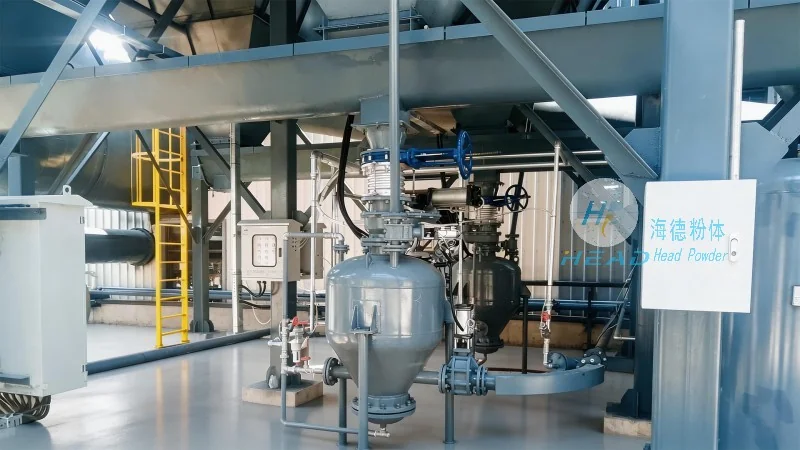
Benefits of Implementing Pneumatic Conveying Systems in Grain Silos
The adoption of pneumatic conveying systems in grain silos brings numerous benefits for agricultural operations. One of the primary advantages is the significant reduction in labor costs and manual handling of bulk materials. By automating the transport process, the system minimizes the need for manual labor, which not only reduces operational expenses but also enhances workplace safety by eliminating the risks associated with manual lifting and moving of heavy loads. Another key benefit is the improvement in material quality and consistency. The sealed and controlled environment of the system prevents contamination from external sources, such as dust or moisture, which can affect the quality and market value of the grains. This is particularly important for high-value crops or those intended for export, where product purity is a critical factor. Furthermore, the systems enhance operational efficiency by enabling continuous and uninterrupted material flow. Unlike traditional methods that may require frequent stops and manual adjustments, pneumatic conveying systems operate continuously, ensuring a steady supply of materials to processing or storage areas. This continuous operation reduces downtime and increases overall productivity, which is essential for meeting production targets and meeting market demands. Finally, the systems contribute to energy efficiency through optimized air usage and pressure control. Advanced control systems in the HeadPowder designs minimize energy consumption by adjusting the blower or vacuum pump output based on the actual conveying requirements, leading to lower operational costs and reduced environmental impact.




