Wood chip powder pneumatic conveying equipment is a critical component in modern material handling systems, particularly for industries dealing with bulk wood chips. This equipment efficiently transports wood chips from one location to another using air as the conveying medium. Understanding its working principle and key features is essential for optimizing material flow and operational efficiency in wood processing facilities.
Introduction to Wood Chip Powder Pneumatic Conveying Equipment
Wood chip powder pneumatic conveying equipment, often referred to as a pneumatic conveyor system, is designed to handle wood chips in a dry, powdered or granular form. These systems are widely used in the wood processing industry, including sawmills, pulp and paper mills, and biomass energy plants. The primary goal of such equipment is to move wood chips from storage areas, processing lines, or waste disposal zones to processing units or storage silos with minimal human intervention and maximum efficiency.
Working Principle of Wood Chip Powder Pneumatic Conveying Equipment
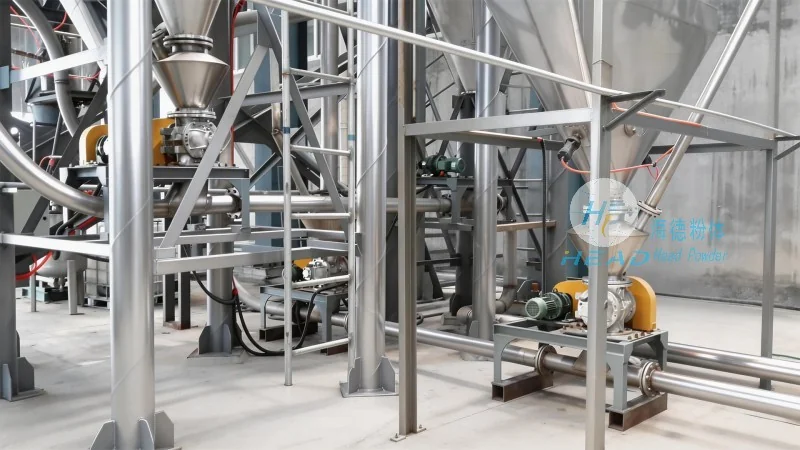
The working principle of wood chip powder pneumatic conveying equipment relies on the use of compressed air to create a flow that transports the material. The system typically consists of a hopper, a blower or air compressor, a pipeline network, and a discharge outlet. When the system is activated, compressed air is introduced into the pipeline, creating a pressure differential that draws the wood chips from the hopper into the air stream. The air and wood chips are then carried through the pipeline to the discharge point, where the air is separated from the material, often using a cyclone separator or a filter, and the wood chips are deposited in the target location.
There are two main types of pneumatic conveying systems based on the pressure used: positive pressure and negative pressure. Positive pressure systems use a blower to force air and material through the pipeline, while negative pressure systems use a vacuum pump to draw material into the system. For wood chip powder applications, positive pressure systems are more common due to their ability to handle larger quantities of material and longer conveying distances without significant pressure loss. The choice of system depends on factors such as the distance between the source and destination, the volume of material to be conveyed, and the required flow rate.
Key Features of Wood Chip Powder Pneumatic Conveying Equipment
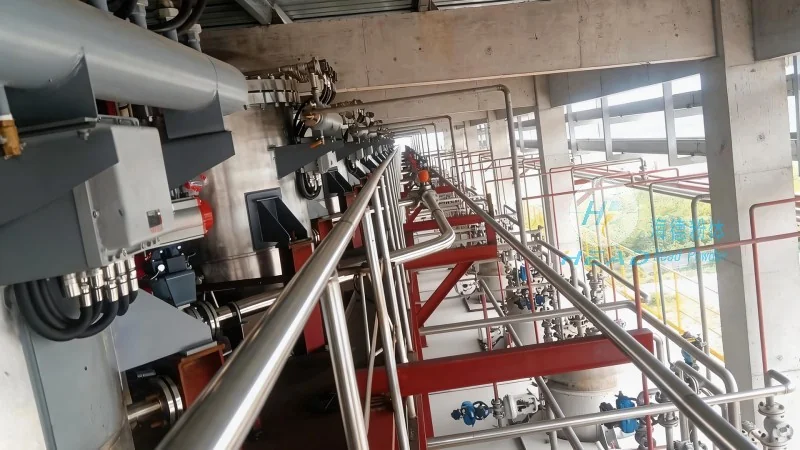
Several key features make wood chip powder pneumatic conveying equipment an attractive solution for wood processing operations. First, it offers a high degree of flexibility in terms of layout and installation. The pipeline can be arranged in various configurations, including straight lines, curves, and vertical lifts, allowing for integration into existing plant layouts without major structural changes. This flexibility reduces installation costs and time compared to traditional mechanical conveyors.
Second, the equipment provides excellent material handling capabilities. It can transport wood chips over long distances, often up to several hundred meters, with minimal degradation of the material. The air flow helps to keep the wood chips dry and prevents caking or agglomeration, which can occur with other conveying methods like belt conveyors. This ensures consistent material quality and reduces the risk of blockages or system downtime.
Third, wood chip powder pneumatic conveying equipment is highly efficient in terms of energy consumption. Modern systems use advanced blower technology and optimized pipeline designs to minimize energy usage while maintaining high conveying rates. This efficiency translates into lower operational costs and reduced environmental impact, as less energy is consumed per ton of material transported.
Fourth, the equipment offers improved safety and hygiene. By using air as the conveying medium, the system eliminates the need for direct human contact with the material, reducing the risk of injury or exposure to dust. Additionally, the enclosed pipeline design prevents dust from escaping into the workplace, improving air quality and compliance with occupational health and safety regulations.
Applications and Benefits in Wood Processing
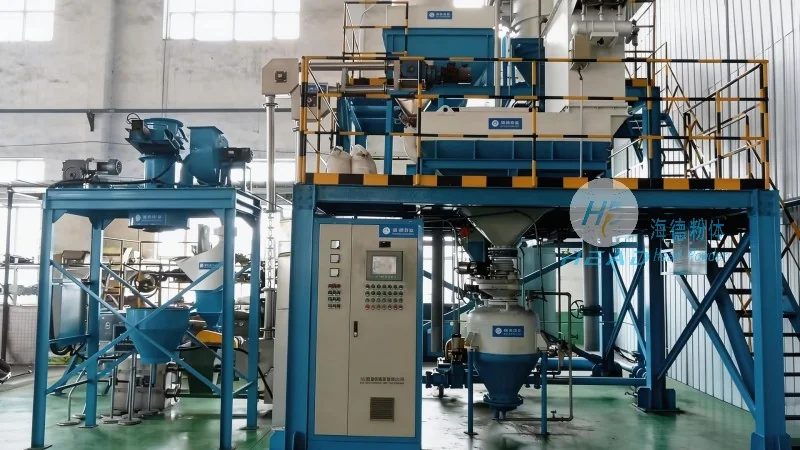
Wood chip powder pneumatic conveying equipment is used in a variety of applications within the wood processing industry. In sawmills, it can transport wood chips from the debarking and chipping stages to the drying or pelletizing units. In pulp and paper mills, it is used to move wood chips from storage to the digesters or pulping machines. In biomass energy plants, it is employed to convey wood chips to the combustion or gasification systems for energy production.
The benefits of using this equipment in these applications are significant. It improves overall plant efficiency by reducing material handling time and labor costs. It enhances product quality by maintaining the dryness and uniformity of the wood chips. It also contributes to a safer working environment by minimizing dust and the risk of accidents associated with manual handling of bulk materials.
Conclusion
Wood chip powder pneumatic conveying equipment is a sophisticated and efficient solution for transporting wood chips in modern processing facilities. Its working principle, based on compressed air and a well-designed pipeline system, enables reliable and high-capacity material transport. The key features, including flexibility, efficiency, safety, and hygiene, make it a preferred choice over traditional mechanical conveyors for many wood processing operations. By understanding and leveraging these principles and features, companies can optimize their material handling processes, reduce costs, and improve overall operational performance.




