The electric calcined carbon black dust removal and powder conveying system is a specialized piece of industrial equipment designed to handle the challenges of processing and transporting electric calcined carbon black, a critical raw material in various industries. This system integrates dust removal and material conveying functionalities to ensure efficient and safe operation in production environments. The following sections will explore the components, design principles, and operational aspects of this system, providing a comprehensive understanding for potential users and industry professionals.
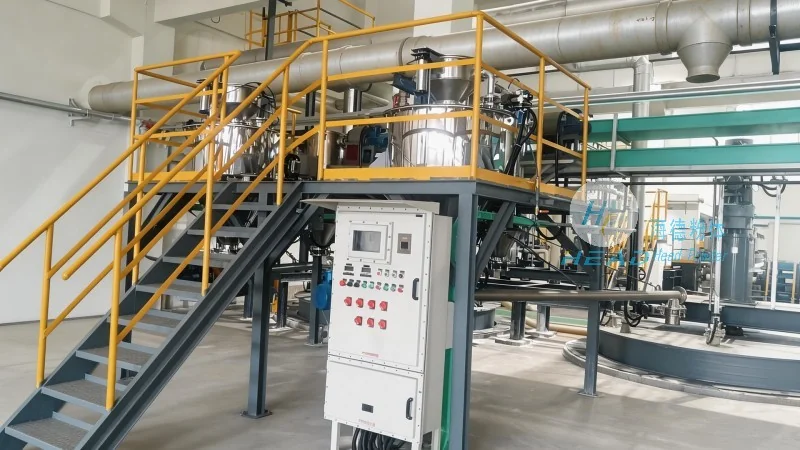
Components and Functions of the System
The system typically consists of several key components that work in tandem to achieve effective dust removal and powder conveying. These include dust collection hoppers, filtration systems, conveying mechanisms, and control units. The dust collection hoppers are strategically placed to capture airborne dust particles generated during the processing of electric calcined carbon black. The filtration systems, often equipped with high-efficiency particulate air (HEPA) or similar filters, ensure that the collected dust is properly contained and can be safely disposed of or recycled. The conveying mechanisms, such as pneumatic or mechanical systems, transport the processed powder from the collection points to storage or processing areas. The control units monitor and regulate the entire process, ensuring optimal performance and safety. Each component is engineered to handle the specific properties of electric calcined carbon black, which is known for its fine particle size and potential for static electricity, requiring specialized handling to prevent dust explosions and material loss.
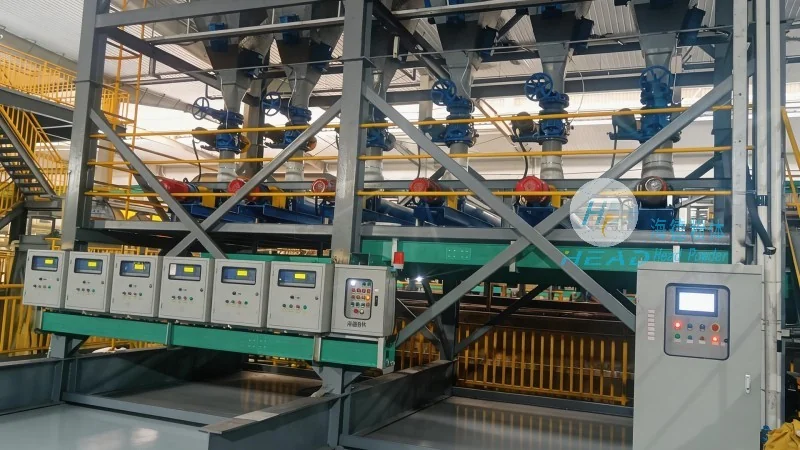
Design Principles and Engineering Considerations
The design of the electric calcined carbon black dust removal and powder conveying system is guided by several fundamental principles to ensure reliability, efficiency, and safety. One of the primary principles is the prevention of dust explosions, which is achieved through proper ventilation, grounding, and the use of explosion-proof components. The system is designed with explosion-proof enclosures and spark-resistant materials to mitigate the risk of ignition in the presence of combustible dust. Another key principle is the efficient separation of dust from the powder stream, which is critical for maintaining product quality and compliance with environmental regulations. The filtration systems are engineered to achieve high collection efficiency, typically above 99%, to minimize emissions and ensure clean air discharge. The conveying mechanisms are designed to handle the fine particle size of electric calcined carbon black, which can cause clogging and material degradation if not properly managed. The system incorporates features such as vibration devices, air knives, and specialized ductwork to prevent blockages and maintain consistent flow rates. Additionally, the design considers the need for easy maintenance and cleaning, with accessible components and automated cleaning cycles to reduce downtime and operational costs.
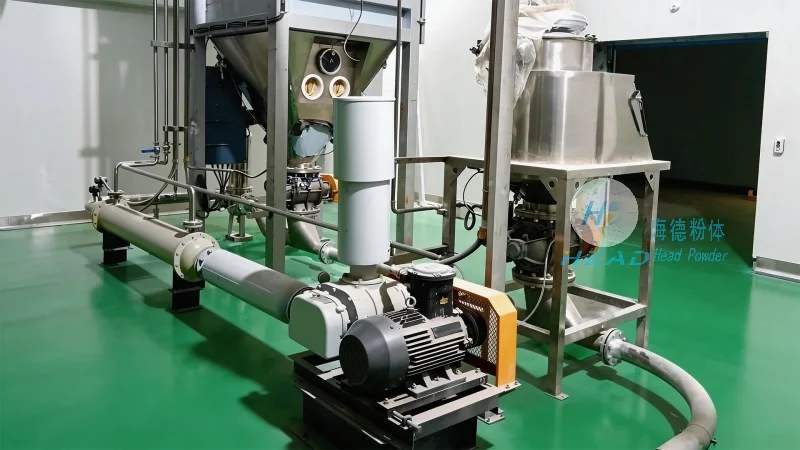
Operational Workflow and Process Flow
The operational workflow of the electric calcined carbon black dust removal and powder conveying system follows a systematic process to ensure smooth and continuous production. The process begins with the material being fed into the processing unit, where it is subjected to grinding or crushing to achieve the desired particle size. As the material is processed, dust particles are generated and captured by the dust collection hoppers. The collected dust is then transported to the filtration system, where it is separated from the air stream. The purified air is released back into the environment, while the collected dust is either recycled back into the production process or disposed of according to regulatory requirements. The filtered powder is then conveyed to storage silos or directly to downstream processing equipment. The control unit monitors the entire process, adjusting parameters such as airflow, pressure, and conveyor speed to maintain optimal conditions. The system is designed to operate continuously, with minimal manual intervention required, and includes safety features such as emergency stop buttons and overpressure relief valves to protect operators and equipment. The workflow is optimized to minimize material loss and maximize throughput, ensuring that the system meets the production demands of the electric calcined carbon black industry.




