For industries dealing with potassium chloride, efficient and reliable powder handling equipment is crucial for maintaining production efficiency and ensuring product quality. This article explores the concept of potassium chloride powder handling equipment and delves into the core design principles that underpin its functionality, with a focus on the solutions provided by Shandong HeadPowder Engineering Co., Ltd., headquartered in Shandong, China.
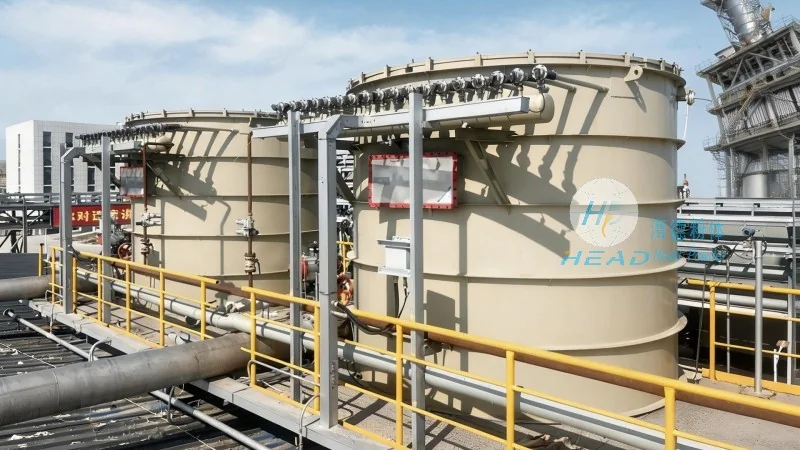
Understanding Potassium Chloride Powder Handling Equipment
Potassium chloride (KCl) is a widely used chemical compound in agriculture, food processing, and industrial applications. Its granular or powdered form requires specialized equipment for safe and effective transportation, storage, and processing. Potassium chloride powder handling equipment encompasses a range of machinery designed to manage the unique properties of KCl, such as its tendency to stick to surfaces, its hygroscopic nature, and its varying particle sizes. The primary goal of these systems is to minimize material loss, prevent contamination, and ensure consistent flow rates during handling operations.
Key Design Principles for Potassium Chloride Powder Handling
The design of potassium chloride powder handling equipment is guided by several critical principles to address the challenges posed by KCl's physical and chemical characteristics. One of the most important considerations is the prevention of material buildup and caking, which can lead to blockages and operational inefficiencies. Engineers employ anti-adhesion surfaces, such as stainless steel or specialized coatings, to reduce the adhesion of KCl particles to equipment components. Additionally, the equipment is often designed with smooth, sloped surfaces and minimal dead zones to facilitate the flow of powder and prevent accumulation.
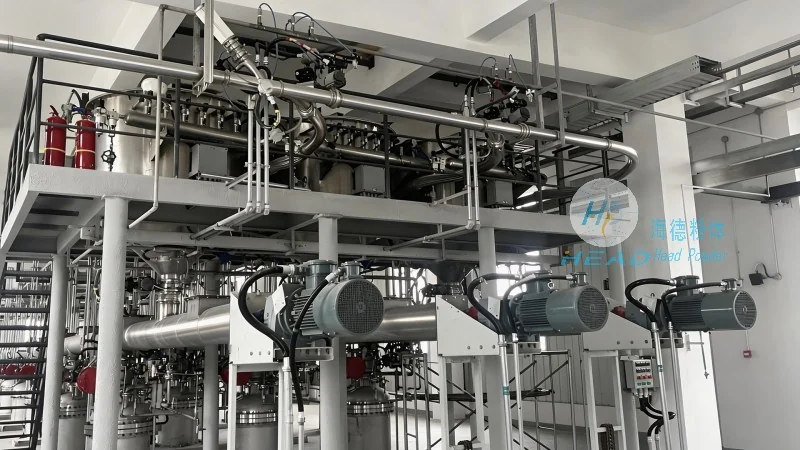
Another key design principle is the management of moisture and humidity. Since KCl is hygroscopic, it can absorb moisture from the air, leading to clumping and reduced flowability. Therefore, many handling systems incorporate drying mechanisms or are constructed with materials that resist moisture absorption. Some designs also include temperature control features to maintain optimal conditions for the powder's handling characteristics.
Efficient material transfer is a central focus of potassium chloride powder handling equipment design. This involves the use of appropriate conveying methods, such as pneumatic conveying, screw conveyors, or bucket elevators, depending on the specific application and scale of operation. The selection of conveying technology is influenced by factors like the particle size distribution of KCl, the required flow rate, and the distance over which the material must be transported. For example, pneumatic conveying systems are often preferred for fine powders like KCl due to their ability to handle high volumes and minimize dust generation.
Components and Functionalities of Potassium Chloride Powder Handling Systems
Potassium chloride powder handling equipment typically consists of several interconnected components, each playing a vital role in the overall system's performance. The main components include feeders, conveyors, storage silos, and discharge mechanisms. Feeders, such as rotary valves or vibratory feeders, are used to regulate the flow of KCl from storage bins or hoppers into the conveying system. These devices ensure a consistent and controlled feed rate, preventing overloading or underloading of the downstream equipment.
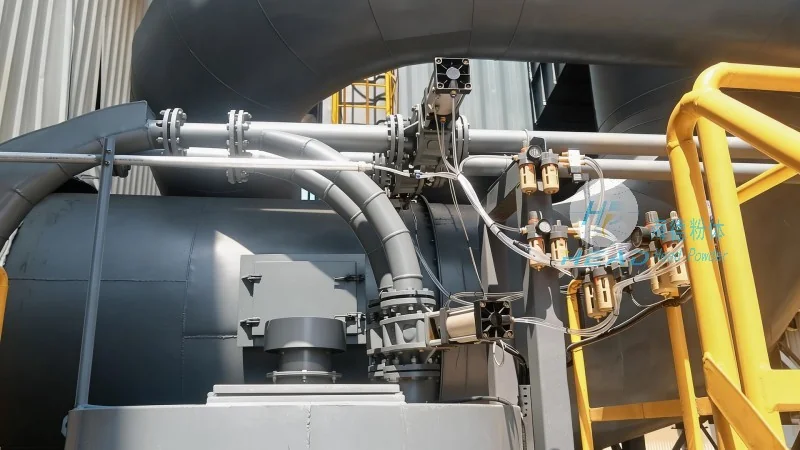
Conveyors are the core of the powder handling system, responsible for transporting KCl from one location to another. Screw conveyors, for instance, use rotating screws to move material along a tube or trough, while pneumatic conveyors utilize air pressure to transport the powder through a pipeline. The choice of conveyor type depends on the specific requirements of the application, including the particle size, flow rate, and distance of transport. In some cases, a combination of conveyor types is used to achieve optimal performance, such as using a screw conveyor for short-distance transport and a pneumatic system for longer distances.
Storage silos are another critical component, providing a controlled environment for storing KCl before it is processed or shipped. These silos are designed with features to prevent moisture ingress and maintain consistent material conditions. Some silos also include agitators or air circulation systems to keep the KCl from settling or caking over time. The discharge mechanisms, such as bottom discharge valves or rotary airlocks, ensure that the stored KCl can be released in a controlled manner, avoiding spills or blockages.




