Understanding the mechanics of pneumatic conveying systems, particularly those designed for transporting rice husk, is crucial for industries dealing with bulk powder handling. This article provides a detailed overview of the working principles behind such systems, emphasizing the technology's efficiency and practical applications, with insights from Shandong HeadPowder Engineering Co., Ltd., a leading provider of powder handling solutions.
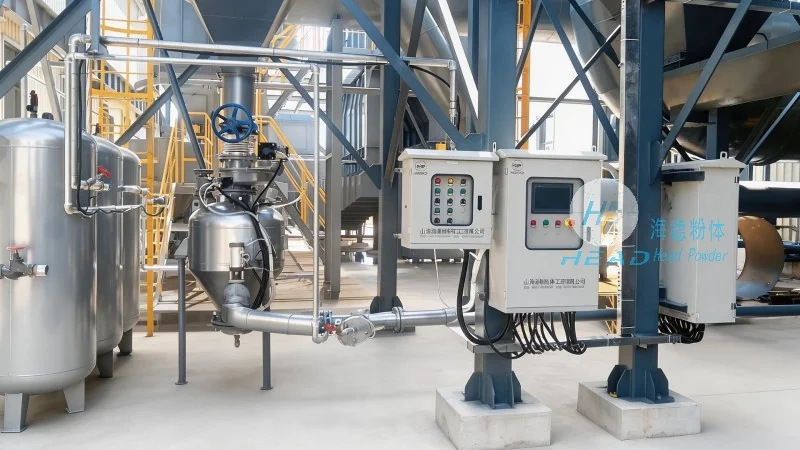
Introduction to Pneumatic Conveying Systems
Pneumatic conveying, or air-based powder transport, is a method used to move dry bulk materials like rice husk through a pipeline using compressed air. Unlike traditional mechanical conveyors, this system relies on air pressure to transport materials, offering advantages such as reduced equipment wear, lower maintenance costs, and the ability to handle materials in a closed system, minimizing dust emissions and contamination risks.
Working Principle of Rice Husk Pneumatic Conveying
The core of a rice husk pneumatic conveying system involves several key components and processes. At its heart is a blower or compressor that generates the necessary air pressure. This air is then introduced into the conveying line, where it creates a flow that lifts and propels the rice husk particles. The system typically includes a hopper for material storage, a feeder to control the flow rate, and a pipeline network that directs the material to its destination. The design of the system, including the air velocity and pipeline configuration, is critical to ensure efficient transport without damaging the rice husk particles.
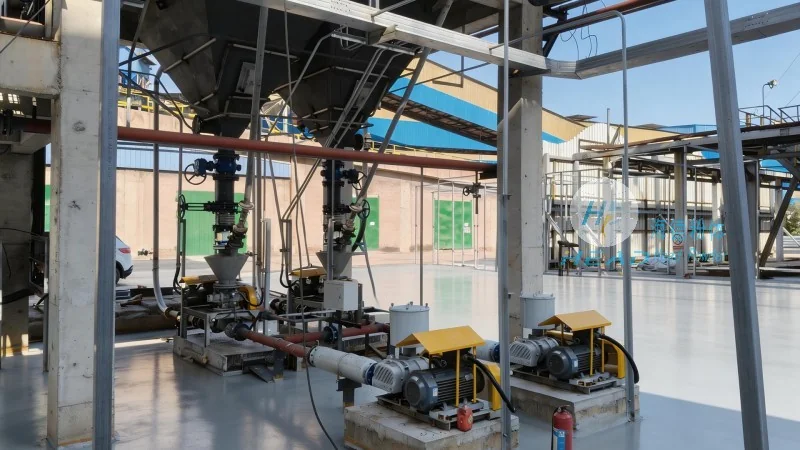
Key Components of the System
Several essential components work together to ensure the smooth operation of a rice husk pneumatic conveying system. The blower or air compressor provides the motive force, generating the pressure needed to move the material. The hopper serves as a storage vessel, allowing for continuous material feeding. The feeder, often a rotary valve or screw feeder, regulates the amount of rice husk released into the pipeline, maintaining a consistent flow. The pipeline itself is designed with appropriate diameters and bends to minimize pressure drop and ensure stable air flow. Additionally, the system may include filters and cyclones to separate the air from the rice husk particles at the discharge point, preventing dust accumulation and maintaining system efficiency.
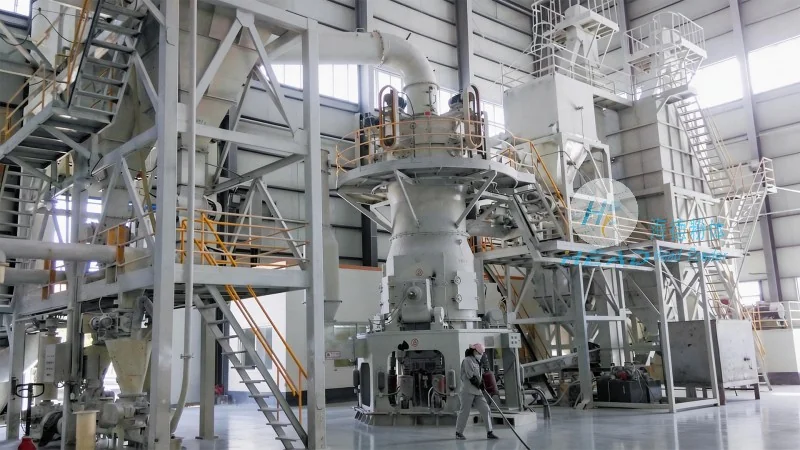
Advantages of Using Pneumatic Conveying for Rice Husk
Implementing a pneumatic conveying system for rice husk offers numerous benefits. One of the primary advantages is the ability to handle the material in a closed environment, which significantly reduces dust exposure and environmental contamination. This is particularly important for rice husk, which can be a source of fine particles that may affect air quality. Another benefit is the reduced risk of material degradation, as the system minimizes physical contact and impact during transport. Furthermore, pneumatic conveying systems are generally more energy-efficient compared to mechanical systems, as they can transport materials over longer distances with less power consumption. The flexibility of the system also allows for easy integration with existing processing lines, making it a practical solution for various industrial applications.
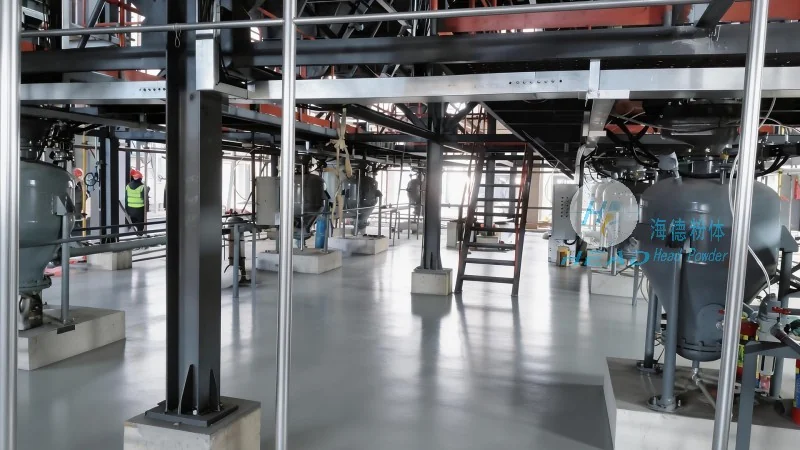
Applications in Industrial Settings
Rice husk pneumatic conveying systems are widely used in industrial settings where bulk powder handling is required. For example, in the production of biofuels or biomass energy, rice husk is often used as a raw material. The pneumatic system allows for efficient transport of the husk from storage areas to processing units, ensuring a steady supply of material for production. Similarly, in the manufacturing of rice husk-based products like activated carbon or insulation materials, the system facilitates the movement of the material through various processing stages. The system's ability to handle large volumes of material at a time makes it ideal for high-throughput operations, contributing to increased productivity and operational efficiency.
Considerations for System Design and Installation
When designing and installing a rice husk pneumatic conveying system, several factors must be considered to ensure optimal performance. The first consideration is the material characteristics of the rice husk, including its particle size, density, and moisture content. These factors influence the air velocity required for efficient transport and the system's overall design. The second consideration is the distance and layout of the conveying route, as the pipeline length and number of bends affect pressure drop and energy consumption. Proper sizing of the blower and pipeline components is crucial to maintain the necessary air pressure and flow rate. Additionally, the system should be designed with maintenance and cleaning in mind, as regular maintenance of filters and cyclones is essential to prevent clogging and ensure long-term operation. Finally, compliance with safety regulations and environmental standards is important, especially when dealing with dust and potential fire hazards associated with rice husk.




