HeadPowder, a leading enterprise in the field of powder handling technology, specializes in the design, manufacturing, and implementation of advanced pneumatic conveying systems for melamine powder. With a focus on efficient and reliable material transport solutions, the company has established itself as a trusted partner for industries requiring precise and safe handling of melamine powder. This article provides an in-depth classification and application analysis of melamine powder pneumatic conveying systems, highlighting the key technologies, system configurations, and practical applications that define modern powder handling solutions.
Introduction to Melamine Powder Pneumatic Conveying Systems
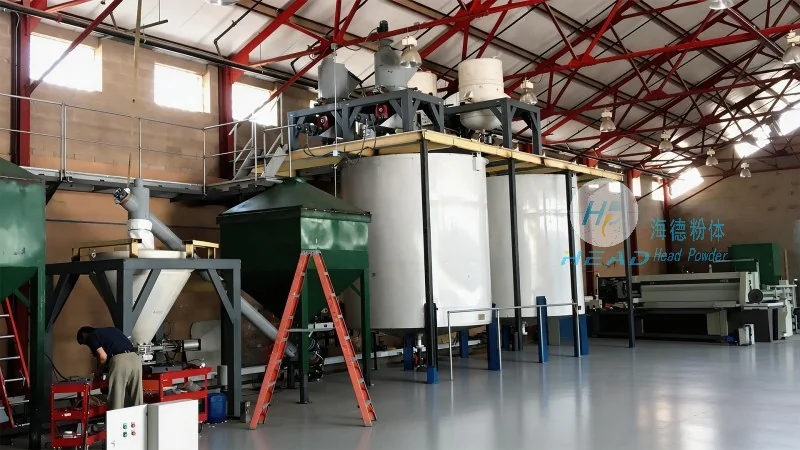
Melamine powder, a widely used chemical compound in various industrial applications, poses unique challenges when it comes to material transport due to its fine particle size and potential for static electricity. Pneumatic conveying systems offer an effective solution by utilizing air as the conveying medium to transport powder materials through a pipeline network. These systems are designed to ensure minimal product degradation, maintain product integrity, and provide efficient material transfer between different processing stages. The classification of melamine powder pneumatic conveying systems is primarily based on the air flow direction, pressure levels, and the method of material induction into the conveying line.
Classification of Pneumatic Conveying Systems for Melamine Powder
There are two main categories of pneumatic conveying systems used for melamine powder: pressure conveying systems and vacuum conveying systems. Each category has distinct characteristics and is suitable for different operational requirements.
Pressure conveying systems operate by introducing compressed air into the conveying line, creating a positive pressure environment that pushes the powder forward. These systems are typically used for long-distance and high-capacity material transport, where the powder needs to be moved from a central storage point to multiple processing locations. The key components of a pressure system include a positive displacement blower, a material feeder, a conveying line, and a discharge device. The compressed air provides the necessary force to overcome the resistance of the powder particles and the pipeline, ensuring consistent and reliable transport. Pressure systems are particularly effective for melamine powder due to their ability to handle high flow rates and maintain a stable conveying environment.
Vacuum conveying systems, on the other hand, operate by creating a negative pressure in the conveying line, which draws the powder from the source to the collection point. These systems are commonly used for short-distance and low-capacity applications, such as transferring melamine powder from a hopper to a mixer or a packaging machine. The vacuum system typically consists of a vacuum pump, a material hopper, a conveying line, and a filter or cyclone separator. The negative pressure pulls the powder particles into the line, where they are carried by the air flow to the destination. Vacuum systems are advantageous for melamine powder because they can handle fine powders without causing excessive particle breakage and are relatively easy to install and maintain.
Within these main categories, there are further sub-classifications based on the conveying method. Dilute phase systems, which are commonly used for melamine powder, operate at high velocities (typically 20-30 m/s) and low pressure differentials. The powder is suspended in the air stream, allowing for efficient transport over long distances. Dense phase systems, in contrast, operate at lower velocities (5-15 m/s) and higher pressure differentials, where the powder is conveyed in a slurry-like state. This method is preferred for melamine powder that is sensitive to high velocities or requires gentle handling to prevent agglomeration. The choice between dilute and dense phase systems depends on the specific characteristics of the melamine powder, such as particle size, moisture content, and flowability.
Key Components and Technologies in Melamine Powder Pneumatic Conveying Systems
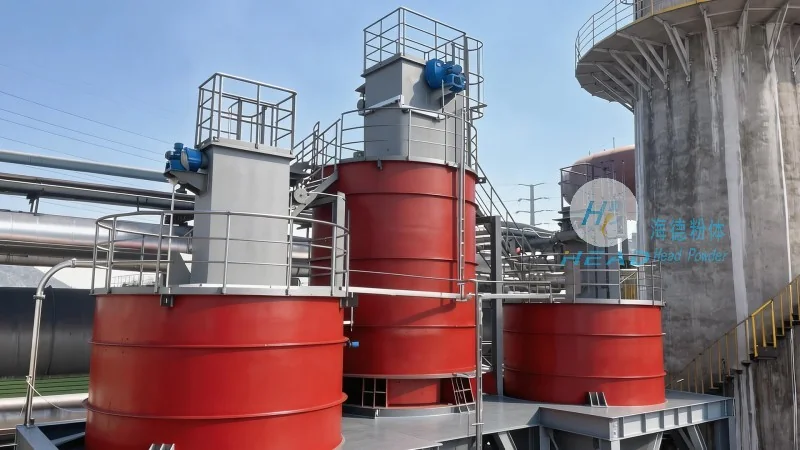
The effectiveness of a melamine powder pneumatic conveying system depends on the integration of several key components and advanced technologies. The material feeder is a critical component that ensures a consistent and controlled flow of melamine powder into the conveying line. For melamine powder, which can be prone to bridging and caking, a rotary valve or a star feeder is often used to prevent blockages and maintain a steady feed rate. The feeder is designed to handle the fine particle size and low bulk density of melamine powder, ensuring that the material is introduced smoothly into the air stream.
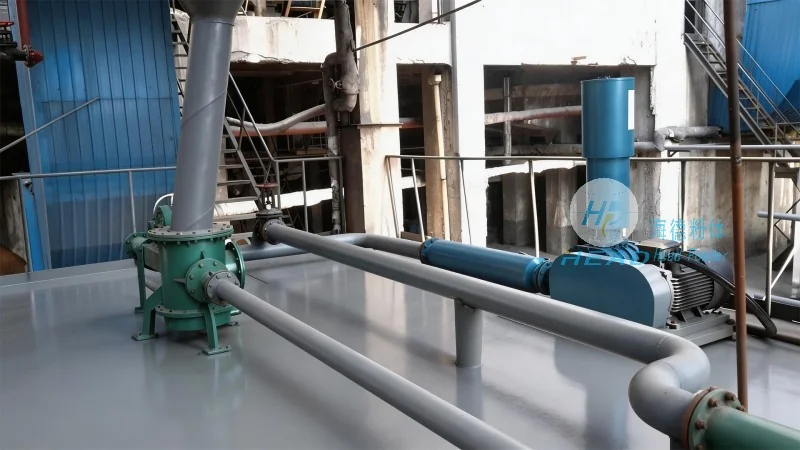
The conveying line itself is typically made of stainless steel or other corrosion-resistant materials to prevent contamination and ensure durability. The pipeline is equipped with appropriate fittings, such as elbows and tees, to direct the powder flow and maintain the air pressure. For melamine powder, which can generate static electricity, anti-static coatings or grounding systems are often incorporated into the pipeline to prevent static buildup and ensure safe operation. The discharge device at the end of the conveying line is designed to efficiently transfer the melamine powder from the air stream into the receiving container, minimizing product loss and ensuring complete transfer.
Advanced technologies, such as variable frequency drives (VFDs) and real-time monitoring systems, are increasingly being integrated into melamine powder pneumatic conveying systems to enhance performance and efficiency. VFDs allow for the adjustment of the blower speed, enabling the system to operate at optimal conditions based on the current demand. Real-time monitoring systems provide continuous data on the system's performance, including pressure, flow rate, and material level, allowing for immediate adjustments and preventing system failures. These technologies contribute to the overall reliability and efficiency of the melamine powder conveying system, ensuring consistent product quality and minimizing downtime.
Application Analysis of Melamine Powder Pneumatic Conveying Systems
Melamine powder pneumatic conveying systems find wide applications in various industries, including the chemical, food, and pharmaceutical sectors. In the chemical industry, these systems are used for transporting melamine powder from storage silos to reactors or processing units, ensuring a continuous and controlled supply of raw material. The high efficiency and reliability of the pneumatic conveying system help maintain the production schedule and reduce the risk of material shortages.
In the food industry, melamine powder is used as a food additive, and the pneumatic conveying system is employed to transfer the powder from storage to packaging lines. The system's ability to handle fine powders without contamination is crucial for maintaining the quality and safety of the food product. The gentle handling of the melamine powder by the system prevents agglomeration and ensures that the powder remains free-flowing, which is essential for consistent packaging.
In the pharmaceutical industry, melamine powder is used in the production of certain medications, and the pneumatic conveying system is used to transport the powder from raw material storage to the manufacturing line. The system's ability to maintain a sterile and clean environment is critical for pharmaceutical applications. The use of stainless steel components and anti-static features ensures that the melamine powder is handled in a hygienic manner, meeting the stringent quality standards required in the pharmaceutical sector.
Additionally, melamine powder pneumatic conveying systems are used in the production of melamine-formaldehyde resins, where the powder is conveyed from the melamine storage to the resin production line. The system's efficiency in handling large quantities of melamine powder helps optimize the production process and reduce material handling costs. The consistent flow of melamine powder ensures that the resin production is carried out smoothly, leading to higher product yields and improved quality.
Benefits and Considerations for Melamine Powder Pneumatic Conveying Systems
Implementing a melamine powder pneumatic conveying system offers several benefits, including improved material handling efficiency, reduced labor costs, and enhanced product quality. The system eliminates the need for manual handling of melamine powder, which can be hazardous due to its fine particle size and potential for dust explosions. By automating the material transport process, the system reduces the risk of human error and ensures consistent product quality. The efficient transport of melamine powder also helps reduce material waste and lower storage costs, as the powder is transferred directly from the storage silo to the processing unit without intermediate handling.
However, there are also considerations that need to be addressed when implementing a melamine powder pneumatic conveying system. The system's design must take into account the specific properties of melamine powder, such as its particle size distribution, moisture content, and flowability. The system must be equipped with appropriate components to handle these properties effectively, such as anti-static measures and gentle conveying methods. Additionally, the system's maintenance requirements must be considered, as regular maintenance is essential to ensure the system's long-term performance and reliability. Proper training of personnel on the operation and maintenance of the system is also crucial to prevent system failures and ensure safe operation.




