HeadPowder, a leading engineering firm based in Shandong, China, specializes in the design and implementation of advanced pneumatic powder conveying systems tailored for the pigment industry. This article provides an in-depth look at the key considerations and technical aspects involved in developing an efficient and reliable system for transporting pigments, a critical component in various industrial applications.
Key Design Principles for Pneumatic Powder Conveying
The design of a pneumatic powder conveying system for pigments must prioritize several critical factors to ensure optimal performance, safety, and longevity. First, the system must be capable of handling the specific physical and chemical properties of pigments, which can vary widely in terms of particle size, moisture content, and abrasiveness. For instance, fine pigments like titanium dioxide or carbon black require systems with precise air flow control and minimal particle degradation. The engineering team at HeadPowder considers these variables from the outset, selecting appropriate materials of construction, such as stainless steel or specialized alloys, to resist corrosion and wear from abrasive pigments.
System Components and Their Functions
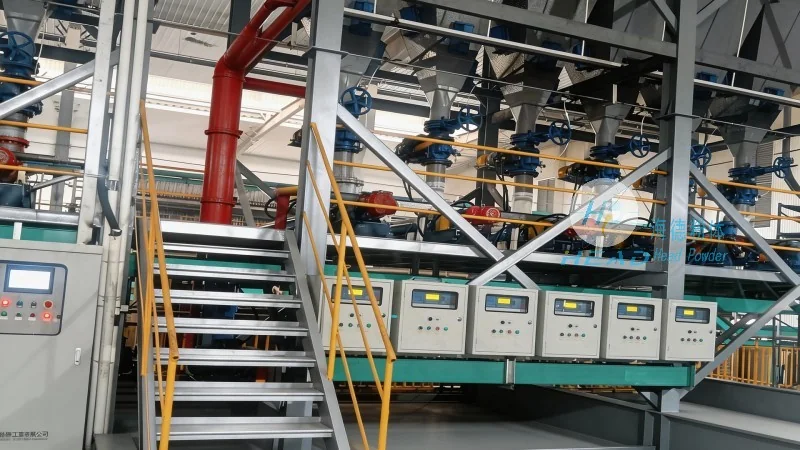
A typical pneumatic powder conveying system for pigments consists of several interconnected components, each playing a vital role in the overall operation. The primary components include a hopper or storage silo, a rotary airlock or feeder, a pipeline network, a positive displacement blower or air compressor, and a dust collection system. The hopper is designed to store the pigment in a controlled manner, often equipped with level indicators and discharge valves to regulate the flow. The rotary airlock feeder ensures a consistent and controlled feed of pigment into the pipeline, preventing blockages and maintaining a steady flow rate. The pipeline network, typically made of flexible or rigid tubing, transports the pigment from the feeder to the destination, such as a processing unit or storage tank. The positive displacement blower provides the necessary air pressure and volume to move the powder through the system, with adjustable speed controls to match the required flow rate. Finally, the dust collection system, often incorporating filters or cyclones, captures any airborne particles, ensuring compliance with environmental regulations and maintaining a clean working environment.
Material Selection and System Integration
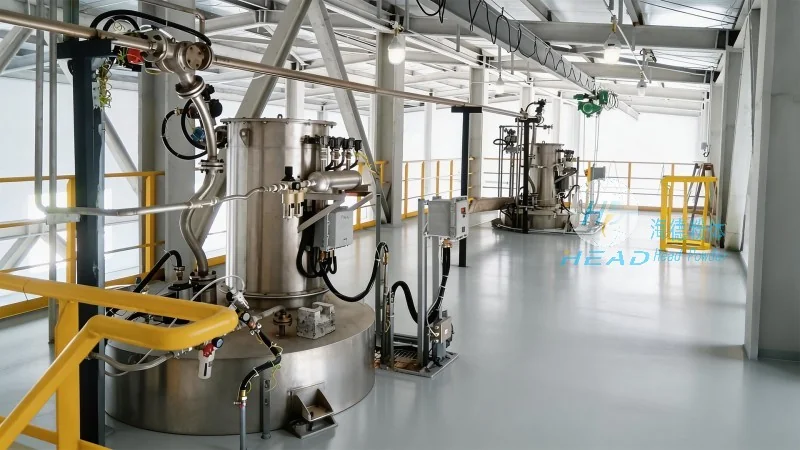
Material selection is a critical aspect of the design, as pigments can be highly abrasive and corrosive. HeadPowder engineers select materials that can withstand the harsh conditions of pigment handling. For example, stainless steel is commonly used for hoppers, feeders, and pipelines due to its resistance to corrosion and wear. Specialized coatings or linings may be applied to components that come into direct contact with the pigment to further enhance durability. The system is also designed for easy integration with existing industrial processes, ensuring seamless operation without disrupting current workflows. This includes considerations for space constraints, existing infrastructure, and compatibility with other equipment in the plant.
Performance Optimization and Maintenance
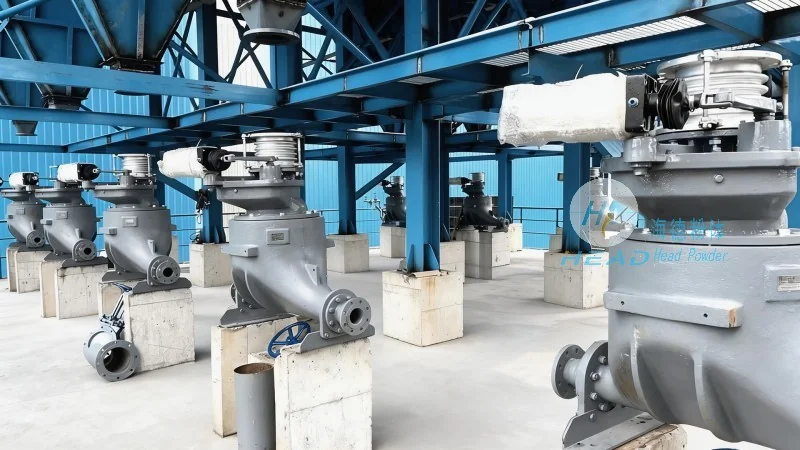
Optimizing the performance of a pneumatic powder conveying system is essential for maximizing efficiency and minimizing downtime. HeadPowder employs advanced control systems that monitor key parameters such as air pressure, flow rate, and particle concentration in real-time. These systems allow for immediate adjustments to maintain optimal operation, reducing the risk of system failures or product degradation. Regular maintenance is also a key component of system longevity. The company provides comprehensive maintenance services, including routine inspections, component replacement, and cleaning of the pipeline and dust collection system. This proactive approach helps to prevent issues before they become major problems, ensuring the system operates at peak performance for extended periods.
Applications and Industry Impact
Pneumatic powder conveying systems for pigments are widely used in various industries, including coatings, plastics, inks, and ceramics. The efficiency and reliability of these systems directly impact the quality and consistency of the final products. By ensuring a consistent and controlled flow of pigment, the system helps to maintain uniform color and texture in end products, which is crucial for industries where appearance and performance are paramount. The use of advanced pneumatic conveying technology also contributes to improved safety in the workplace, as it reduces the need for manual handling of powders, minimizing the risk of dust explosions and respiratory hazards. HeadPowder's expertise in designing such systems has enabled the company to serve a diverse range of clients, helping them to enhance their operational efficiency and product quality.




