When it comes to handling and transporting algae sludge pellets, selecting the right conveying method is crucial for efficiency and operational reliability. The process of moving these materials from one location to another requires systems that can manage the unique properties of algae sludge, such as its moisture content, particle size, and potential stickiness. In industrial applications, especially in wastewater treatment and bioremediation facilities, the choice of conveying method directly impacts productivity, maintenance costs, and overall system performance. This article explores common approaches to algae sludge pellet conveyance and highlights the advantages of pneumatic conveying systems, with a focus on the solutions offered by Shandong HeadPowder Engineering Co., Ltd., commonly known as HeadPowder.
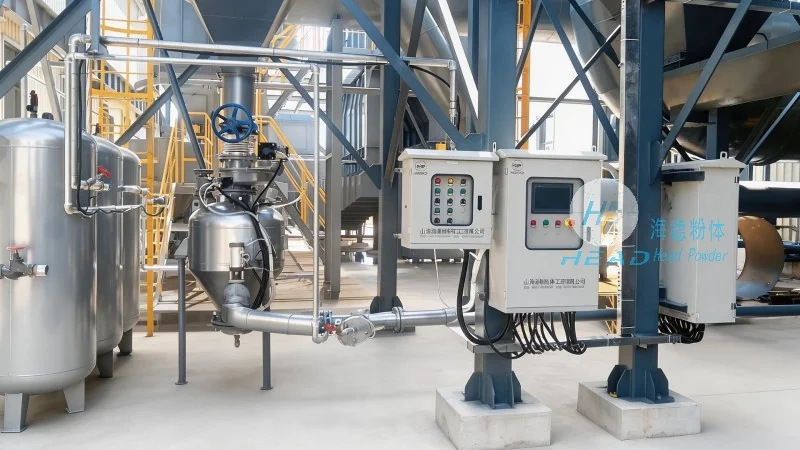
Traditional Conveying Methods for Algae Sludge Pellets
Historically, several conventional methods have been employed for transporting algae sludge pellets. One of the most widely used is the belt conveyor system. Belt conveyors utilize a continuous belt to move materials along a fixed path, making them suitable for horizontal or slightly inclined transport. However, when dealing with algae sludge, belt conveyors may face challenges due to the material's tendency to adhere to the belt surface, leading to increased friction and potential blockages. Additionally, the high moisture content of algae sludge can cause the belt to stretch or degrade over time, requiring frequent maintenance and replacement. Another traditional method is the screw conveyor, which uses a rotating screw to push materials forward. Screw conveyors are effective for vertical or inclined transport but can struggle with abrasive or sticky materials like algae sludge, as the screw and housing may experience wear and tear. Furthermore, the compact design of screw conveyors limits their capacity for large volumes, making them less suitable for high-throughput applications.
Pneumatic Conveying: A Modern Solution for Algae Sludge Pellet Transport
Pneumatic conveying, or air-based transport, represents a modern and increasingly popular approach to handling algae sludge pellets. Unlike mechanical systems that rely on physical contact with the material, pneumatic conveying uses a stream of air to transport particles through a pipeline. This method offers several advantages, particularly for materials that are difficult to handle with traditional equipment. The primary benefit is the ability to transport algae sludge pellets over long distances with minimal friction and reduced risk of material degradation. Pneumatic systems can handle a wide range of particle sizes and moisture levels, making them versatile for various industrial applications. Additionally, these systems are less prone to clogging compared to screw or belt conveyors, as the air flow helps to keep the material moving smoothly through the pipeline.
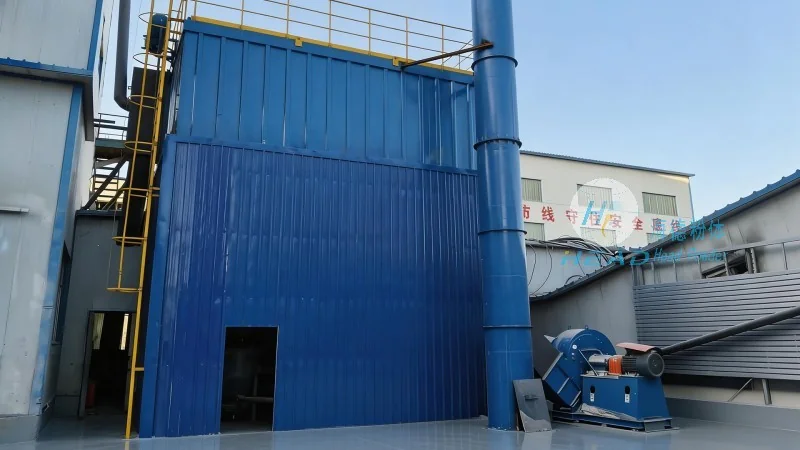
HeadPowder's Algae Sludge Pellet Pneumatic Conveying System: Key Advantages
Shandong HeadPowder Engineering Co., Ltd. specializes in providing advanced pneumatic conveying solutions tailored to the unique needs of algae sludge pellet transport. The company's systems are designed to address the challenges associated with traditional conveying methods, offering enhanced efficiency, reliability, and cost-effectiveness. One of the key advantages of HeadPowder's pneumatic conveying system is its ability to handle high moisture content materials without clogging or degradation. The system utilizes a combination of positive and negative pressure modes, allowing for flexible transport configurations. This flexibility enables the system to adapt to different operational requirements, such as moving algae sludge from a processing facility to a storage or treatment site. Another significant benefit is the reduced maintenance requirements compared to mechanical systems. Pneumatic conveying systems have fewer moving parts, which minimizes wear and tear and extends the service life of the equipment. This leads to lower long-term operational costs and less downtime for maintenance.
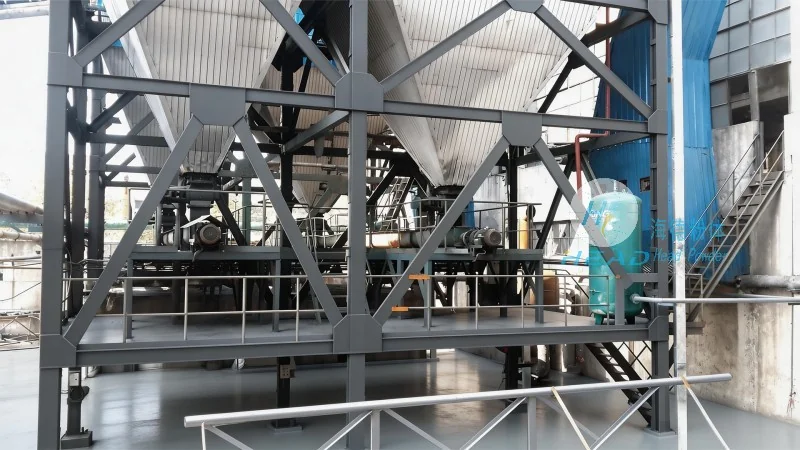
Technical Features of HeadPowder's Pneumatic Conveying System
The pneumatic conveying system offered by HeadPowder incorporates several technical features that enhance its performance and reliability. The system uses high-efficiency air blowers that can generate sufficient pressure to transport algae sludge pellets through long pipelines. The blowers are designed to handle the specific characteristics of algae sludge, such as its density and moisture content, ensuring consistent and reliable transport. The pipeline design includes smooth, corrosion-resistant materials to prevent material buildup and ensure easy cleaning. Additionally, the system incorporates advanced control systems that monitor pressure, flow rate, and material level in real-time. These controls allow for automated operation and immediate response to changes in the system, improving overall operational efficiency. The system also features safety mechanisms, such as pressure relief valves and emergency shut-off valves, to prevent accidents and protect personnel and equipment.
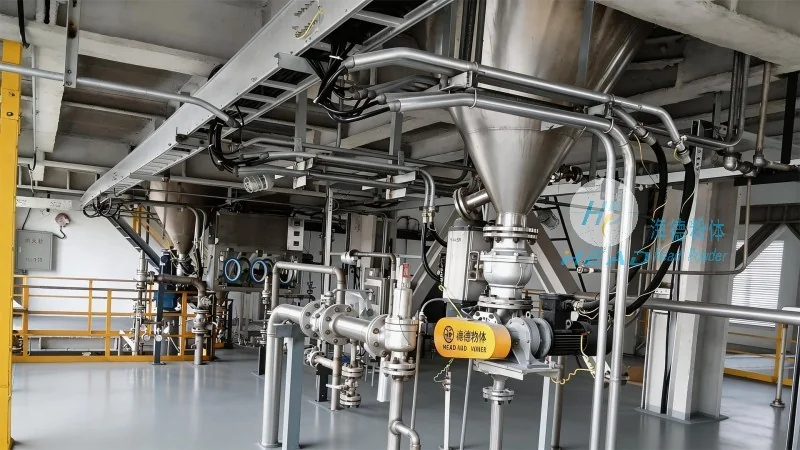
Application Examples and Case Studies
HeadPowder's pneumatic conveying systems have been successfully implemented in various industrial applications, demonstrating their effectiveness in handling algae sludge pellets. For example, a wastewater treatment plant in China used HeadPowder's system to transport algae sludge from the bioreactor to the dewatering unit. The system was able to handle the high moisture content and sticky nature of the sludge, reducing clogging and improving throughput. Another application involved a bioremediation facility that needed to transport algae sludge pellets from a processing tank to a storage silo. The HeadPowder system provided a reliable and efficient solution, enabling the facility to meet its production targets without interruptions. These case studies highlight the practical benefits of using pneumatic conveying for algae sludge pellet transport, including increased productivity, reduced maintenance costs, and improved system reliability.
Conclusion: Choosing the Right Conveying Solution for Algae Sludge Pellets
In conclusion, the choice of conveying method for algae sludge pellets is critical to the success of industrial operations. Traditional methods like belt and screw conveyors have limitations when dealing with the unique properties of algae sludge, such as high moisture content and stickiness. Pneumatic conveying offers a modern and effective solution that addresses these challenges, providing enhanced efficiency and reliability. Shandong HeadPowder Engineering Co., Ltd. provides advanced pneumatic conveying systems that are specifically designed for algae sludge pellet transport, offering key advantages such as reduced clogging, lower maintenance costs, and flexible operation. By selecting a pneumatic conveying system from HeadPowder, industrial facilities can improve their operational performance, increase productivity, and ensure the long-term reliability of their algae sludge handling processes.




