Rice husk powder, a byproduct of rice processing, is widely utilized in industries such as power generation, fertilizer production, and biofuel manufacturing. Efficient and reliable conveying of this fine powder is critical for maintaining production efficiency and ensuring product quality. This article explores the common methods used for rice husk powder conveying, highlighting key considerations and applications in industrial settings.
Overview of Rice Husk Powder Conveying
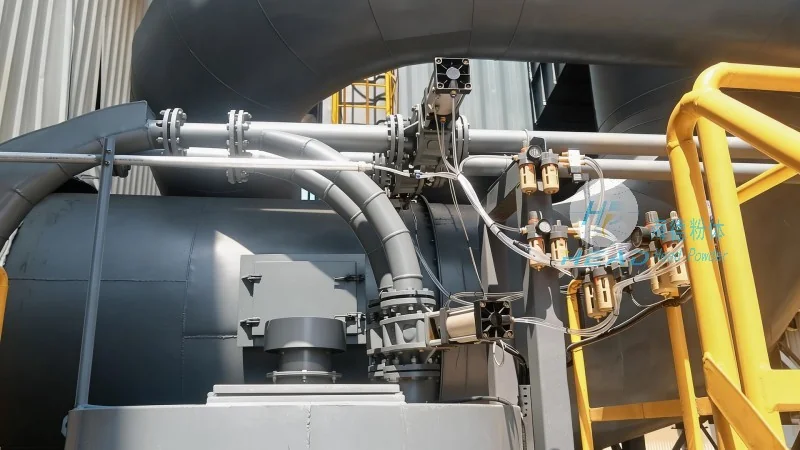
Rice husk powder, characterized by its light weight and fine particle size, presents unique challenges during transportation. Traditional bulk material handling methods may not be suitable due to the powder's tendency to create dust, clog equipment, or degrade in quality if not handled properly. Therefore, specialized conveying systems are essential to ensure safe and efficient movement of rice husk powder from storage to processing units.
Common Conveying Methods for Rice Husk Powder
Several methods are commonly employed in industrial applications to convey rice husk powder, each with its own advantages and limitations. The choice of method depends on factors such as the powder's characteristics, the distance to be conveyed, the required flow rate, and the environmental regulations of the facility.
1. Mechanical Conveyors
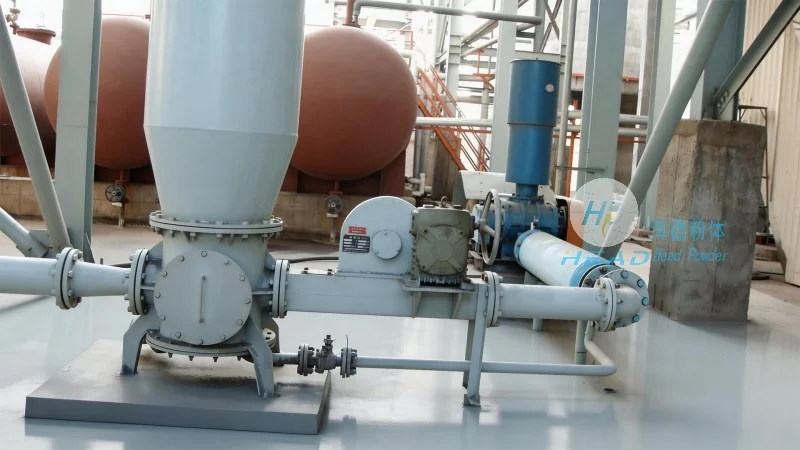
Mechanical conveyors are among the most widely used systems for transporting bulk materials, including rice husk powder. These systems utilize mechanical components like belts, screws, or chains to move the powder through a pipeline or trough. One common type is the belt conveyor, which consists of a continuous belt supported by rollers and driven by a motor. The belt is designed to carry the powder from the source to the destination, with the speed and inclination adjusted to control the flow rate. For rice husk powder, belt conveyors are particularly effective due to their ability to handle fine particles without causing excessive dust generation. Another type is the screw conveyor, which uses a rotating screw to push the powder forward. Screw conveyors are suitable for vertical or inclined transport and can be used in combination with other equipment to form a complete conveying system. The mechanical nature of these conveyors ensures durability and reliability, making them a preferred choice for many industrial applications.
2. Pneumatic Conveying Systems
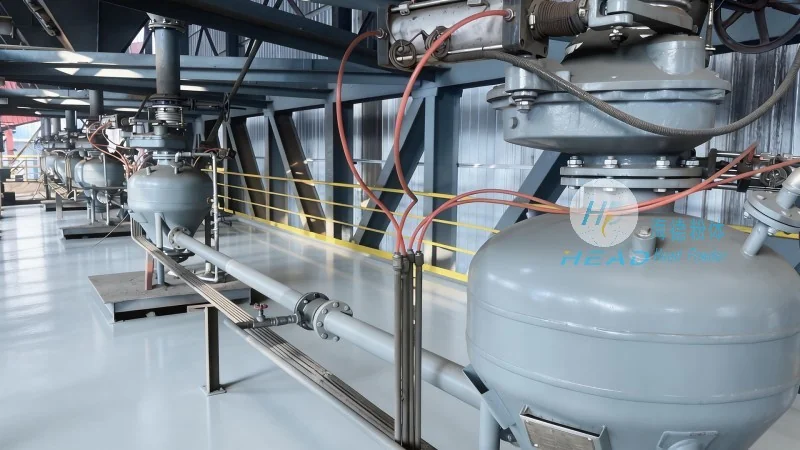
Pneumatic conveying, also known as air conveying, is another effective method for transporting rice husk powder. This system uses compressed air to move the powder through a pipeline. There are two main types of pneumatic conveying: dilute-phase and dense-phase. Dilute-phase systems use low-pressure air to create a suspension of the powder in the air, which is then transported through the pipeline. This method is suitable for short to medium distances and low to moderate flow rates. Dense-phase systems, on the other hand, use higher pressure air to create a dense mixture of powder and air, which is more efficient for longer distances and higher flow rates. Pneumatic conveying systems are particularly advantageous for rice husk powder because they can handle fine particles and prevent dust contamination. Additionally, these systems are flexible and can be easily integrated with other processing equipment, making them a versatile solution for various industrial needs.
3. Bucket Elevators
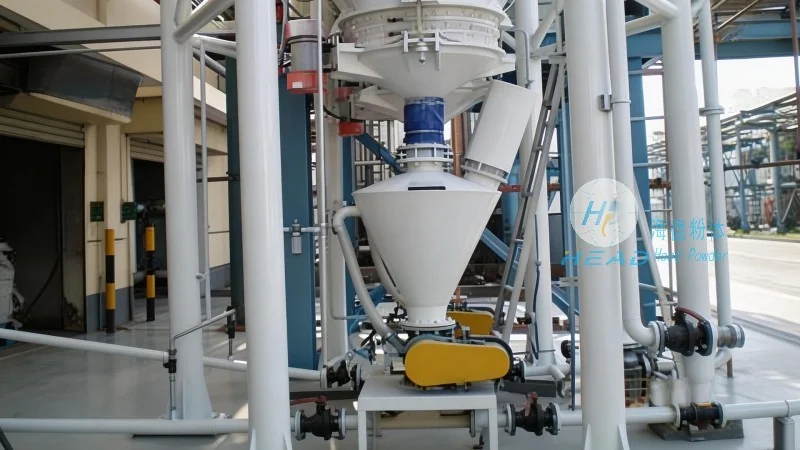
Bucket elevators are vertical conveying systems that use buckets attached to a chain or belt to lift and transport rice husk powder from a lower to a higher level. The buckets are filled with the powder at the bottom of the elevator and then carried upward, releasing the powder at the top. This method is ideal for vertical transport and can handle a wide range of particle sizes and flow rates. Bucket elevators are commonly used in rice husk processing plants to move the powder from storage silos to processing units. The design of bucket elevators ensures minimal dust generation and efficient material handling, making them a reliable choice for vertical conveying of rice husk powder.
4. Screw Feeders and Augers
Screw feeders and augers are compact conveying devices that use a rotating screw to move rice husk powder through a tube or trough. These systems are suitable for short horizontal or inclined distances and are commonly used in processing lines where the powder needs to be metered or mixed with other materials. Screw feeders are particularly effective for controlling the flow rate of rice husk powder, as the speed of the screw can be adjusted to achieve the desired output. Augers, similar to screw feeders, are used for longer horizontal distances and can handle larger volumes of material. Both screw feeders and augers are simple in design and require minimal maintenance, making them a cost-effective solution for conveying rice husk powder in many industrial applications.
5. Air-Lift Conveyors
Air-lift conveyors are a specialized type of pneumatic conveying system that uses the principle of buoyancy to transport rice husk powder. The system consists of a vertical pipe with an air inlet at the bottom and an outlet at the top. The powder is introduced into the pipe at the bottom, and compressed air is introduced from the bottom, creating a low-pressure zone that lifts the powder upward. The air-lift conveyor is particularly effective for vertical transport of fine powders and can handle high flow rates. This method is commonly used in power plants and fertilizer production facilities where rice husk powder needs to be transported from the ground floor to higher levels of the plant. Air-lift conveyors are energy-efficient and can be integrated with other processing equipment to form a complete conveying system.
Key Considerations for Rice Husk Powder Conveying
When selecting a conveying method for rice husk powder, several factors must be considered to ensure optimal performance and efficiency. First, the physical properties of the powder, such as particle size, moisture content, and density, play a crucial role in determining the most suitable conveying system. For example, fine particles may require more specialized equipment to prevent clogging and dust generation. Second, the distance and elevation changes between the source and destination must be evaluated to choose the appropriate system. Vertical transport may require bucket elevators or air-lift conveyors, while horizontal transport may use belt conveyors or screw feeders. Third, the flow rate and capacity requirements of the process must be matched with the conveying system's capabilities to avoid bottlenecks or overloading. Fourth, environmental regulations and safety considerations, such as dust control and explosion prevention, must be addressed to ensure compliance and worker safety. Finally, the cost of the system, including initial investment and maintenance, should be considered to ensure economic viability.
Conclusion
Efficient conveying of rice husk powder is essential for maintaining the productivity and quality of industrial processes. The methods discussed above, including mechanical conveyors, pneumatic systems, bucket elevators, screw feeders, and air-lift conveyors, each offer unique advantages and are suitable for different applications. By carefully evaluating the powder's characteristics, transport requirements, and operational constraints, industrial facilities can select the most appropriate conveying system to ensure reliable and cost-effective movement of rice husk powder. As a leading provider of engineering solutions, Shandong HeadPowder Engineering Co., Ltd. specializes in designing and manufacturing customized conveying systems tailored to the specific needs of rice husk processing industries. With a focus on efficiency, reliability, and safety, HeadPowder offers innovative solutions to meet the diverse requirements of modern industrial applications.




