Caustic soda, also known as sodium hydroxide, is a highly caustic and corrosive chemical widely used in various industrial processes. The safe and efficient transportation of caustic soda is crucial for industries that rely on it, such as chemical manufacturing, paper production, and water treatment. There are several methods available for transporting caustic soda, each with its own advantages and considerations.
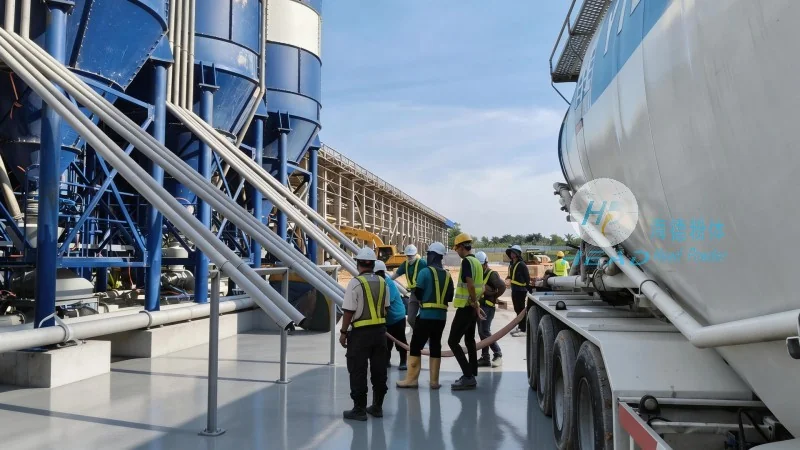
Common Methods for Caustic Soda Transportation
One of the most common methods for transporting caustic soda is through pipelines. This method is particularly suitable for large-scale industrial applications where the chemical is used continuously. Pipelines allow for a continuous flow of caustic soda from the production facility to the end-user, minimizing the risk of spills and ensuring a steady supply. The pipelines are typically made of materials like stainless steel or special alloys that can withstand the corrosive nature of the chemical. This method is often more cost-effective in the long run compared to other transportation options, as it reduces the need for frequent deliveries and handling.
Pipeline Transportation: Advantages and Considerations
Pipeline transportation of caustic soda offers several advantages. First, it provides a continuous and reliable supply, which is essential for industries that require a constant flow of the chemical. Second, it reduces the risk of accidents and spills compared to other methods, as the chemical is contained within the pipeline system. Third, it is generally more cost-effective for large-scale operations, as it eliminates the need for frequent truck or rail deliveries. However, pipeline transportation also has some considerations. The initial installation and maintenance costs can be high, and the system requires regular inspection and maintenance to ensure it remains in good working condition. Additionally, the pipeline must be properly designed and installed to prevent leaks and ensure the safety of the surrounding environment.
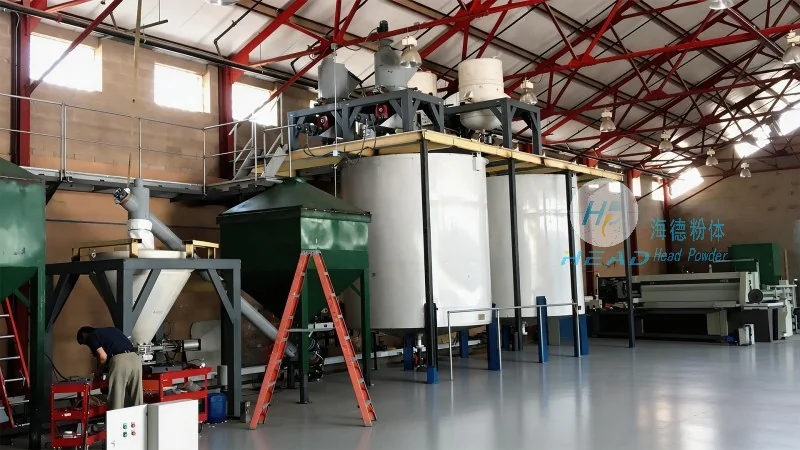
Truck Transportation: Flexibility and Accessibility
Another common method for transporting caustic soda is by truck. This method is often used for smaller quantities or for deliveries to locations that are not connected to a pipeline system. Truck transportation offers flexibility, as it can reach a wide range of destinations, including remote or hard-to-access areas. The trucks used for caustic soda transportation are specially designed to handle the chemical's corrosive properties. They are typically equipped with insulated tanks to maintain the chemical's temperature and prevent leaks. The drivers and operators must be trained and certified to handle the chemical safely, as it poses significant health and safety risks if not handled properly. Truck transportation is also more suitable for short-term or emergency deliveries, as it can be arranged quickly and efficiently.
Truck Transportation: Safety and Regulatory Compliance
When using truck transportation for caustic soda, safety and regulatory compliance are of utmost importance. The trucks must be equipped with proper safety features, such as emergency shut-off valves and spill containment systems. The drivers must follow strict safety protocols, including wearing appropriate personal protective equipment (PPE) and ensuring the truck is properly labeled and marked as a hazardous material. Regulatory agencies, such as the U.S. Department of Transportation (DOT) or the European Union's ADR regulations, have specific rules and guidelines for transporting hazardous chemicals like caustic soda. Compliance with these regulations is essential to prevent accidents and ensure the safety of the public and the environment.
Containerized Transportation: Secure and Versatile
Containerized transportation is another method used for caustic soda, particularly for international shipments or for transporting the chemical in bulk quantities. The caustic soda is typically stored in specialized containers, such as ISO tanks or flexitanks, which are designed to withstand the chemical's corrosive nature. These containers are often made of stainless steel or other corrosion-resistant materials and are equipped with pressure relief valves and other safety features. Containerized transportation offers versatility, as the containers can be easily transferred between different modes of transport, such as trucks, ships, and trains. This allows for efficient and cost-effective transportation of the chemical over long distances. However, containerized transportation also has some considerations. The containers must be properly secured and handled to prevent damage or leaks during transit. Additionally, the containers must be inspected and maintained regularly to ensure they remain in good working condition.
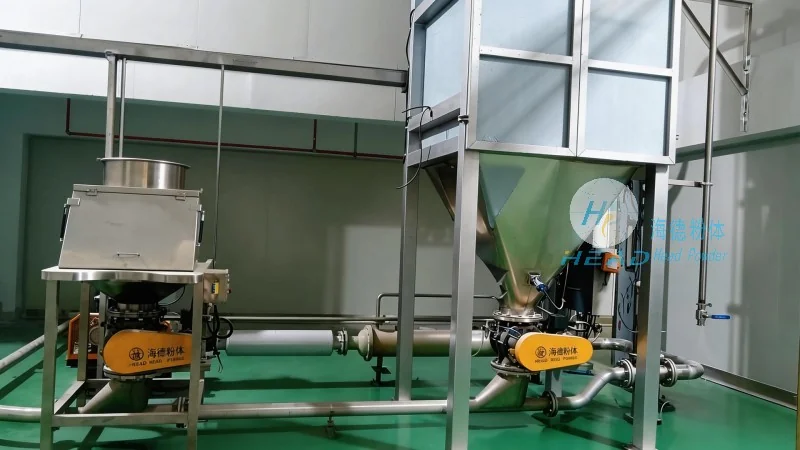
Containerized Transportation: International Shipping and Bulk Handling
For international shipments, containerized transportation is often the preferred method due to its efficiency and versatility. The ISO tanks used for caustic soda are standardized and can be easily transported by sea, road, or rail. This allows for seamless transfer between different modes of transport, reducing the risk of delays and ensuring timely delivery. The containers are also equipped with proper labeling and marking to comply with international regulations, such as the International Maritime Organization (IMO) or the International Air Transport Association (IATA) guidelines. When handling bulk quantities of caustic soda, containerized transportation is often more cost-effective than other methods, as it allows for the efficient use of space and reduces the number of deliveries required.
Choosing the Right Transportation Method for Your Needs
When selecting a transportation method for caustic soda, it is important to consider several factors, including the quantity of the chemical, the distance to be transported, the destination, and the specific requirements of the end-user. For large-scale industrial applications, pipeline transportation is often the most suitable option due to its cost-effectiveness and reliability. For smaller quantities or for deliveries to remote locations, truck transportation may be more appropriate. Containerized transportation is ideal for international shipments or for bulk handling. It is also important to consider the safety and regulatory requirements of the transportation method, as well as the availability of proper equipment and trained personnel. By carefully evaluating these factors, you can choose the most suitable transportation method for your caustic soda needs, ensuring safe and efficient delivery while minimizing costs and risks.




