Welcome to Shandong HeadPowder Engineering Co., Ltd., a leading provider in the field of soda ash handling solutions. This article delves into the various types of soda ash pneumatic conveying systems, their key characteristics, and the diverse applications where they are utilized. As a company based in Shandong, China, we specialize in delivering efficient and reliable equipment tailored to meet the specific needs of our clients.
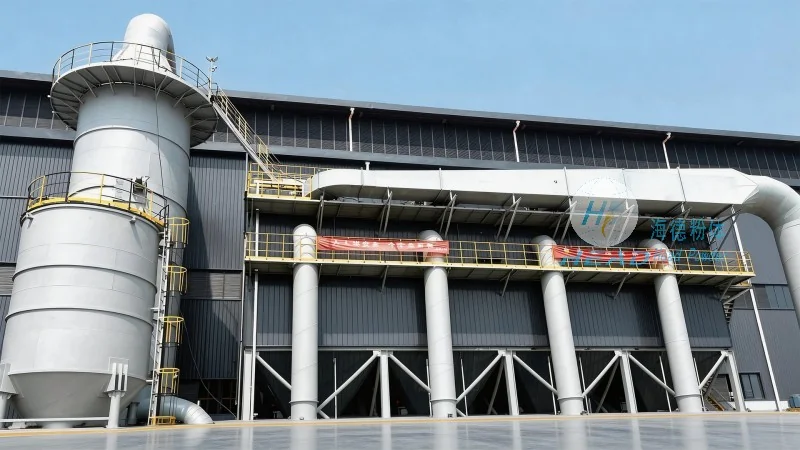
Understanding Soda Ash Pneumatic Conveying Systems
Soda ash, also known as sodium carbonate, is a widely used chemical in industries such as glass manufacturing, chemical production, and water treatment. The efficient transport of this material is crucial for maintaining production efficiency and minimizing operational costs. Pneumatic conveying systems offer a solution by using air to move the material through pipelines, eliminating the need for traditional mechanical conveying methods like belt conveyors or bucket elevators.
Types of Soda Ash Pneumatic Conveying
There are primarily two types of pneumatic conveying systems used for soda ash: dilute-phase and dense-phase. Each type has distinct characteristics and is suitable for different operational conditions.
Dilute-Phase Pneumatic Conveying
Dilute-phase systems operate by transporting the material in a relatively low concentration of solid particles suspended in air. This method is ideal for short to medium-distance conveying and is commonly used when the material is non-abrasive and requires low pressure. The system typically uses a positive displacement blower or a rotary lobe pump to generate the air flow, ensuring a consistent and stable conveying process. The advantages of dilute-phase conveying include its simplicity, lower equipment cost, and the ability to handle large volumes of material. However, it may not be suitable for abrasive or sticky materials, as the high air velocity can cause wear and tear on the system components.
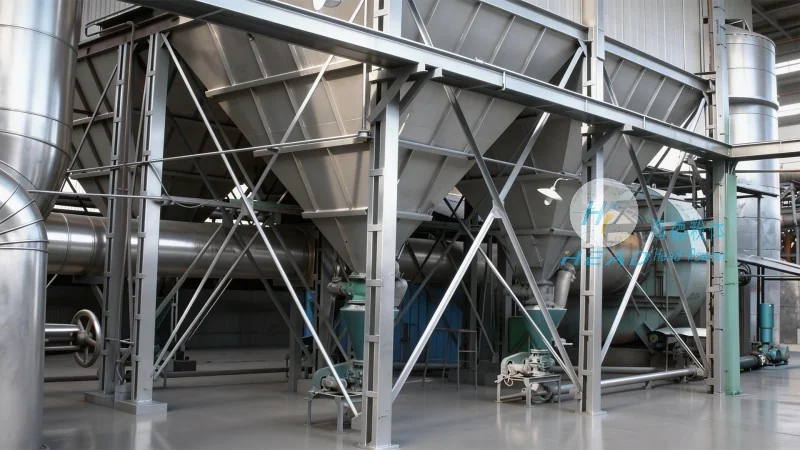
Dense-Phase Pneumatic Conveying
Dense-phase systems, also known as low-pressure or pressure-pulse systems, transport the material in a higher concentration of solid particles. This method is particularly effective for long-distance conveying and handling of abrasive or sticky materials. The system operates by creating a high-pressure pulse of air that pushes the material through the pipeline in a dense slug. This approach reduces the risk of material degradation and equipment wear, making it ideal for sensitive materials like soda ash. Dense-phase conveying systems often use a positive displacement blower or a rotary screw pump to generate the necessary pressure, ensuring a controlled and efficient transport process. The key advantages of dense-phase systems include their ability to handle abrasive materials, maintain product quality, and achieve longer conveying distances with minimal pressure loss.
Key Features of Soda Ash Pneumatic Conveying Systems
Regardless of the type, soda ash pneumatic conveying systems share several key features that contribute to their effectiveness and reliability. These features include:
- Efficient Material Handling: The systems are designed to handle large volumes of soda ash with minimal labor and operational overhead. The use of air as the conveying medium allows for continuous and automated material transport, reducing the need for manual intervention.
- Reduced Downtime: By eliminating the need for mechanical components like belts or buckets, the risk of mechanical failure is significantly reduced. This leads to lower maintenance costs and increased system uptime, ensuring consistent production output.
- Space Efficiency: Pneumatic conveying systems are compact and can be installed in confined spaces, making them suitable for facilities with limited floor space. The flexible pipeline design allows for easy integration into existing production layouts.
- Environmental Benefits: These systems can be designed to minimize dust emissions and noise pollution, contributing to a cleaner and safer working environment. Some systems also incorporate dust collection and filtration mechanisms to comply with environmental regulations.
- Customization Options: Manufacturers like Shandong HeadPowder Engineering Co., Ltd. offer customized solutions tailored to the specific requirements of each client. This includes the selection of appropriate air flow rates, pressure levels, and pipeline configurations to optimize performance and meet operational needs.
Application Ranges of Soda Ash Pneumatic Conveying
Soda ash pneumatic conveying systems are widely used across various industries due to their versatility and efficiency. The following are some of the primary application ranges where these systems are employed:
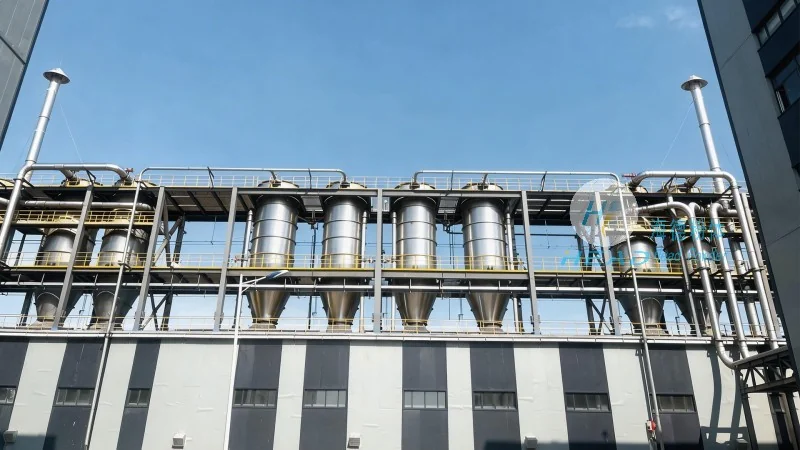
Glass Manufacturing
In the glass industry, soda ash is a critical raw material used to lower the melting point of silica sand. Pneumatic conveying systems are used to transport soda ash from storage silos to the glass melting furnaces. The systems ensure a consistent and controlled supply of soda ash, which is essential for maintaining the quality and consistency of the glass product. The dense-phase conveying method is often preferred in this application due to the need to handle abrasive materials and maintain product purity.
Chemical Production
Soda ash is also used in the production of various chemicals, including sodium bicarbonate, sodium silicate, and water treatment chemicals. Pneumatic conveying systems are employed to transport soda ash from storage to processing units. The systems help in maintaining a steady flow of raw material, which is crucial for the continuous operation of chemical plants. The dilute-phase system may be used for short-distance conveying within the plant, while the dense-phase system is used for longer distances or when handling abrasive materials.
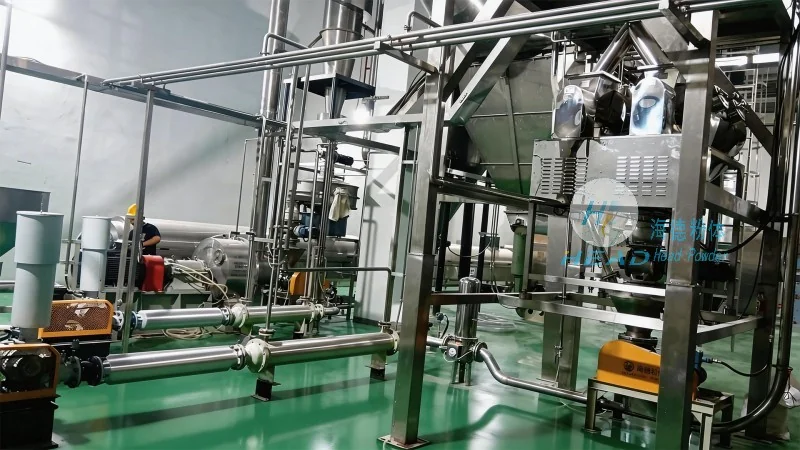
Water Treatment
Soda ash is used in water treatment processes to adjust the pH level and remove impurities from water. Pneumatic conveying systems are used to transport soda ash from storage to the water treatment facilities. The systems ensure that the material is delivered in a controlled manner, allowing for precise dosing and treatment of water. The use of pneumatic conveying helps in reducing the risk of contamination and ensures the quality of the treated water.
Food and Beverage Industry
In the food and beverage industry, soda ash is used as a food additive and in the production of certain beverages. Pneumatic conveying systems are used to transport soda ash from storage to production lines. The systems are designed to maintain the purity and quality of the material, ensuring that it meets the stringent food safety standards. The use of clean and sanitary equipment is essential in this application, and manufacturers like Shandong HeadPowder Engineering Co., Ltd. provide customized solutions that meet these requirements.
Conclusion
Soda ash pneumatic conveying systems offer a reliable and efficient solution for the transport of this essential chemical. The choice between dilute-phase and dense-phase systems depends on the specific operational requirements, including distance, material characteristics, and desired product quality. By understanding the types, features, and application ranges of these systems, industries can make informed decisions to optimize their material handling processes and improve overall operational efficiency. At Shandong HeadPowder Engineering Co., Ltd., we are committed to providing high-quality pneumatic conveying solutions tailored to the unique needs of our clients, ensuring that they achieve the best possible results in their operations.




