When it comes to the efficient and reliable transportation of coal and sand, selecting the right method is crucial for industrial operations. The choice of transport system can significantly impact productivity, safety, and overall operational costs. This article explores various methods used for coal and sand transportation, providing insights into the technologies and considerations that industrial facilities should evaluate.
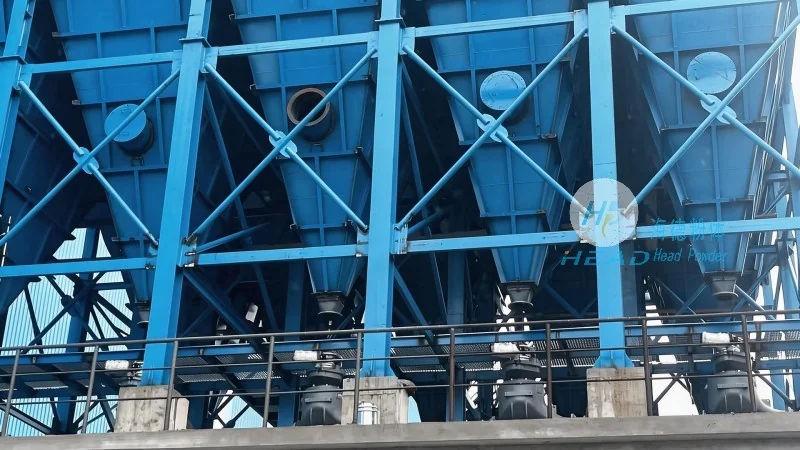
Understanding the Core Requirements for Coal and Sand Transportation
Before delving into specific transport methods, it's essential to understand the unique characteristics of coal and sand that influence the selection of a suitable system. Coal, being a bulk material with varying moisture content and particle size, requires equipment that can handle abrasion and potential blockages. Sand, often used in construction and industrial processes, demands consistent flow and minimal material degradation. Both materials are typically handled in large volumes, making the efficiency of the transport system a key factor in overall operational performance.
Common Transport Methods for Coal and Sand
Several transport methods are widely used in the industry, each with its own advantages and applications. The most common approach is the use of belt conveyors, which are highly effective for long-distance and high-volume material transport. Belt conveyors can handle a wide range of particle sizes and are capable of transporting materials over considerable distances with minimal maintenance. They are particularly suitable for coal and sand due to their ability to handle abrasive materials without significant wear.
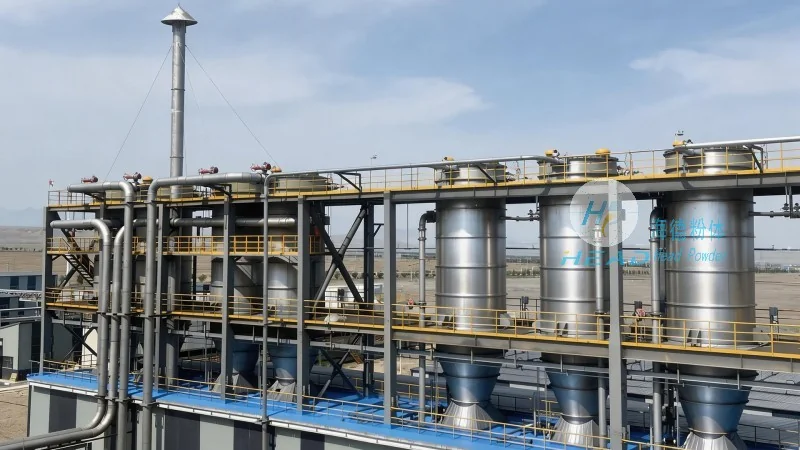
Another popular method is the use of screw conveyors, also known as auger conveyors. These systems use a rotating screw to move materials along a tube or trough. Screw conveyors are ideal for vertical or inclined transport, making them suitable for applications where elevation changes are required. They are compact and can be installed in tight spaces, which is beneficial for facilities with limited layout options. However, they may not be as efficient for very long horizontal runs compared to belt conveyors.
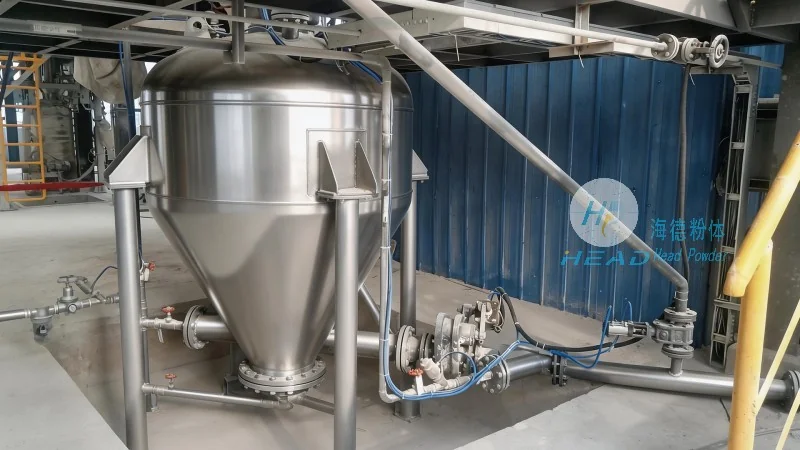
For applications requiring more flexibility and adaptability, pneumatic conveying systems are often employed. These systems use air pressure to transport materials through a pipeline. Pneumatic conveyors are particularly effective for handling fine powders and can transport materials over moderate distances. They are also suitable for applications where dust control is a priority, as the material is contained within the pipeline. However, they may have limitations with larger or more abrasive particles and can be less efficient for very long distances.
Key Considerations When Choosing a Transport System
When selecting a transport system for coal and sand, several factors must be considered to ensure optimal performance and cost-effectiveness. The first consideration is the distance and layout of the facility. Long horizontal distances may favor belt conveyors, while vertical or inclined transport may require screw conveyors. The volume of material to be transported is another critical factor, as it determines the required capacity of the system. The nature of the material, including its particle size, moisture content, and abrasiveness, also plays a significant role in system selection. For example, highly abrasive materials may necessitate the use of special materials for conveyor components to extend the system's lifespan.
Cost is a major factor in the decision-making process. While initial investment costs vary between systems, the total cost of ownership, including maintenance and energy consumption, should be evaluated over the system's lifespan. Energy efficiency is particularly important for large-scale operations, as it can significantly reduce operational costs. Additionally, the space available for installation and the need for dust control measures should be considered, as these can impact both the choice of system and its integration into the facility.
Case Study: HeadPowder's Expertise in Coal and Sand Transportation Solutions
Shandong HeadPowder Engineering Co., Ltd., a leading provider of bulk material handling solutions, specializes in designing and manufacturing customized transport systems for coal and sand applications. With years of experience in the industry, HeadPowder understands the unique challenges associated with handling these materials and offers tailored solutions to meet specific operational needs. The company's expertise includes the design of belt conveyors, screw conveyors, and pneumatic conveying systems, all engineered to handle the demands of coal and sand transportation.
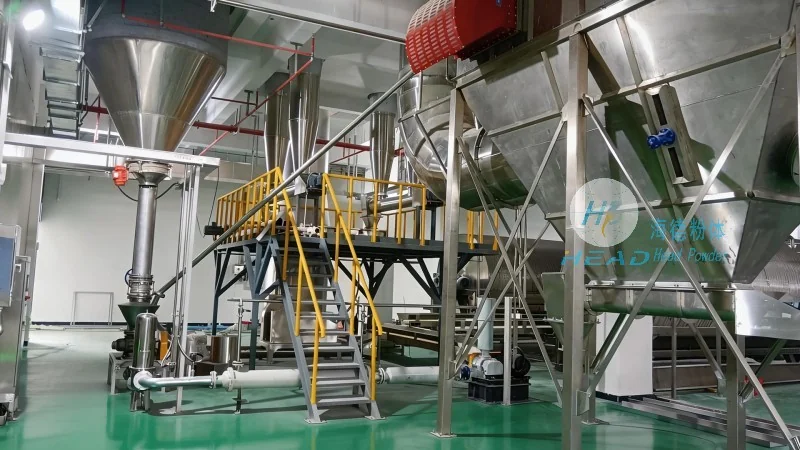
HeadPowder's approach to coal and sand transportation involves a comprehensive evaluation of the client's requirements, including the material characteristics, transport distance, and operational constraints. By working closely with clients, the company develops systems that optimize efficiency, reduce downtime, and minimize maintenance costs. The company's commitment to quality and innovation ensures that its solutions are not only effective but also durable and reliable, providing long-term value to its customers.
HeadPowder's facilities are located in Shandong, China, where the company leverages local expertise and resources to deliver high-quality products and services. The company's team of engineers and technicians is dedicated to providing technical support and after-sales service, ensuring that clients receive the assistance they need to maintain optimal performance of their transport systems. Whether it's a new installation or the upgrade of an existing system, HeadPowder is committed to helping clients achieve their transportation goals efficiently and effectively.




