Shandong HeadPowder Engineering Co., Ltd., commonly known as headpowder, is a professional manufacturer specializing in powder handling solutions. The company is based in Shandong, China, and has extensive experience in designing and manufacturing efficient polyethylene powder conveying systems. These systems are engineered to meet the diverse needs of industries that rely on polyethylene powder as a raw material.
Core Principles of Polyethylene Powder Conveying Systems
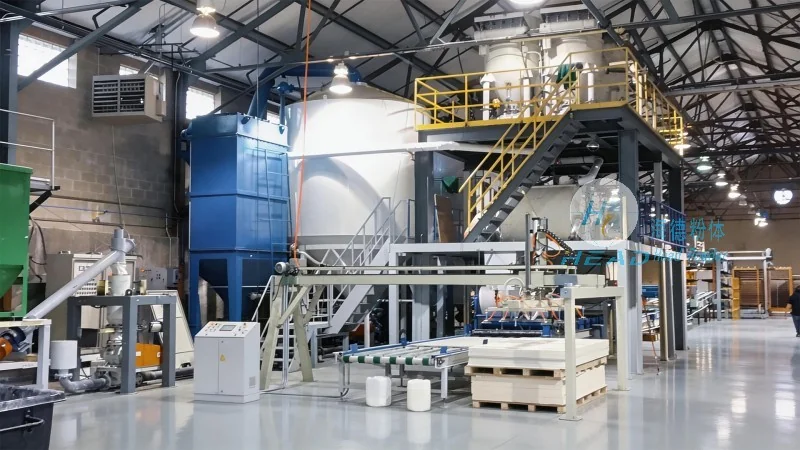
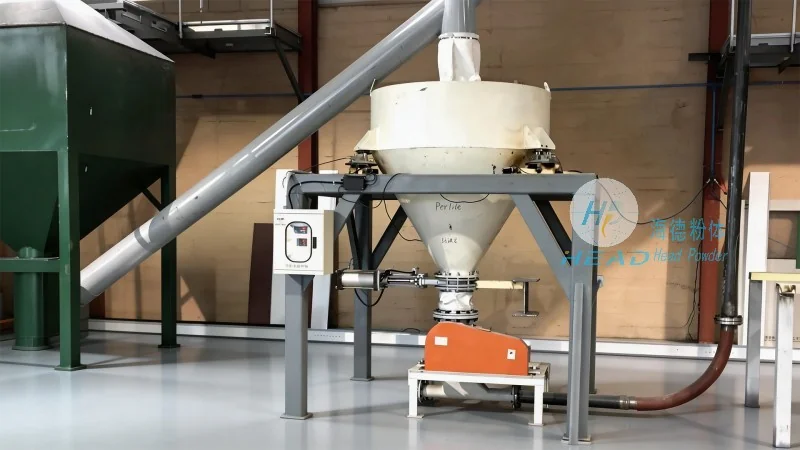
The fundamental principle of polyethylene powder conveying systems revolves around the efficient and controlled movement of polyethylene powder from storage to processing areas. These systems typically consist of several key components, each playing a crucial role in the overall operation. The process begins with the hopper, which serves as the primary storage container for the polyethylene powder. The hopper is designed to hold large quantities of the material while maintaining a consistent level, preventing overfilling or underfilling that could disrupt the conveying process.
Following the hopper is the feeder, which regulates the flow rate of the polyethylene powder. Feeders are critical for ensuring a steady and controlled supply of material to the conveyor system. Different types of feeders, such as rotary valves or vibratory feeders, are used depending on the specific characteristics of the polyethylene powder, including its density, flowability, and potential for caking. The feeder's design ensures that the powder is discharged at a uniform rate, minimizing variations in the downstream process.
The conveyor itself is the heart of the system, responsible for transporting the polyethylene powder through the pipeline or duct. Pneumatic conveying systems, which use air pressure to move the powder, are commonly employed for polyethylene powder due to their ability to handle fine particles and prevent material degradation. Mechanical conveyors, such as belt or screw conveyors, are also used in some applications, particularly when the powder has a higher bulk density or requires a more direct, gravity-driven transport method. The choice of conveyor type depends on factors like the powder's properties, the distance to be covered, and the required flow rate.
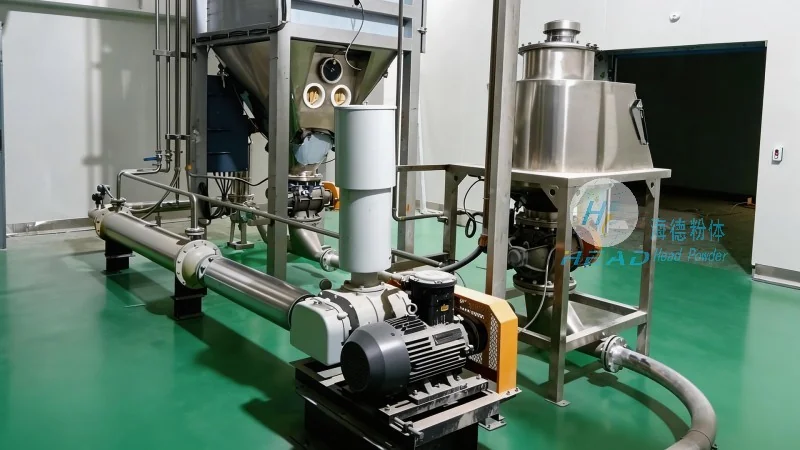
Control units are integral to the operation of polyethylene powder conveying systems. These units monitor and regulate various parameters, including pressure, flow rate, and temperature, to maintain optimal performance. Sensors are installed throughout the system to detect changes in the powder level, air pressure, or conveyor speed. The control unit processes this data and adjusts the system's operation accordingly, ensuring that the conveying process remains stable and efficient. This automation not only improves operational efficiency but also reduces the risk of equipment failure or material loss.
Application Scenarios and Industry Use Cases
Polyethylene powder conveying systems are widely used across various industries, each with unique requirements for handling polyethylene powder. In the plastic manufacturing industry, these systems are essential for feeding polyethylene powder into extruders, injection molding machines, and other processing equipment. The consistent supply of raw material from the conveying system ensures that production lines run smoothly, minimizing downtime and maximizing output. The systems are particularly valuable in large-scale manufacturing facilities where high production volumes demand reliable and continuous material supply.
In the chemical processing sector, polyethylene powder conveying systems are used in the production of polyethylene additives, compounding materials, and other chemical products. The precise control over the powder flow is critical in these applications, as it directly impacts the quality and consistency of the final product. The systems help maintain uniform mixing ratios and prevent contamination, which are essential for meeting regulatory standards and customer specifications.
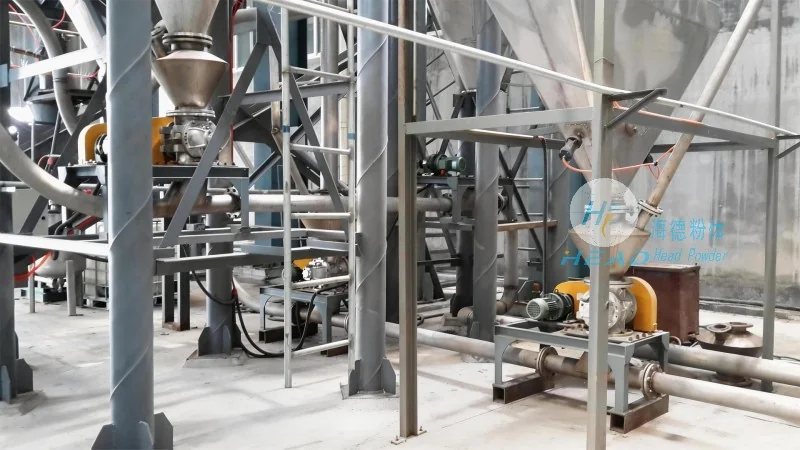
Research and development (R&D) laboratories also benefit from polyethylene powder conveying systems. In R&D settings, small-scale testing and formulation work require accurate measurement and handling of polyethylene powder. The systems allow scientists and engineers to precisely control the amount of powder used in experiments, facilitating the development of new products and processes. The ability to handle small quantities with high precision makes these systems ideal for laboratory applications.
Additionally, polyethylene powder conveying systems are used in the packaging and material handling industries. For example, in the production of plastic films or containers, the systems ensure that polyethylene powder is efficiently transferred to packaging machines. This improves the overall efficiency of the packaging line and reduces the risk of material spills or waste.
Key Features and Advantages of Polyethylene Powder Conveying Systems
The design of polyethylene powder conveying systems prioritizes durability, efficiency, and reliability. High-quality materials, such as stainless steel or corrosion-resistant alloys, are used in the construction of components like hoppers, feeders, and conveyors. This ensures that the systems can withstand the abrasive nature of polyethylene powder and resist corrosion from moisture or other environmental factors. The use of advanced materials also contributes to the longevity of the equipment, reducing the need for frequent maintenance or replacement.
Advanced control technologies are another key feature of these systems. The integration of sensors, automation, and real-time monitoring allows for precise control over the conveying process. This not only enhances operational efficiency but also improves product quality by maintaining consistent flow rates and preventing variations in the powder's properties. The control units can be programmed to adjust to different operating conditions, such as changes in powder density or conveyor speed, ensuring optimal performance under varying circumstances.
Energy efficiency is also a significant advantage of modern polyethylene powder conveying systems. Many systems are designed with energy-saving features, such as variable frequency drives (VFDs) that adjust the motor speed based on the required flow rate. This reduces energy consumption and lowers operational costs for the end-user. Additionally, the use of efficient conveying methods, such as pneumatic systems with optimized air pressure, minimizes energy waste and contributes to sustainable industrial operations.
Maintenance and serviceability are other important considerations in the design of polyethylene powder conveying systems. The systems are built with easy access points for maintenance and cleaning, reducing downtime and maintenance costs. Many components are designed to be replaceable, allowing for quick repairs and minimizing the impact on production. The use of modular components also simplifies the maintenance process, as individual parts can be replaced without affecting the entire system.
Conclusion
Shandong HeadPowder Engineering Co., Ltd. specializes in providing tailored polyethylene powder conveying systems that meet the specific requirements of different industries. By combining advanced technology with professional engineering expertise, the company delivers solutions that enhance productivity, ensure product quality, and contribute to sustainable industrial operations. The principles and application scenarios of these systems highlight their importance in modern manufacturing and processing, making them an essential component for any facility that relies on polyethylene powder as a raw material.




