Heavy calcium powder, a critical raw material in industries such as paper, plastic, and coatings, demands efficient and reliable conveying systems to maintain production efficiency and product quality. This article provides a comprehensive overview of heavy calcium powder conveying systems, focusing on their structural design and operational principles, as presented by Shandong HeadPowder Engineering Co., Ltd., a leading manufacturer in the field.
Overview of Heavy Calcium Powder Conveying Systems
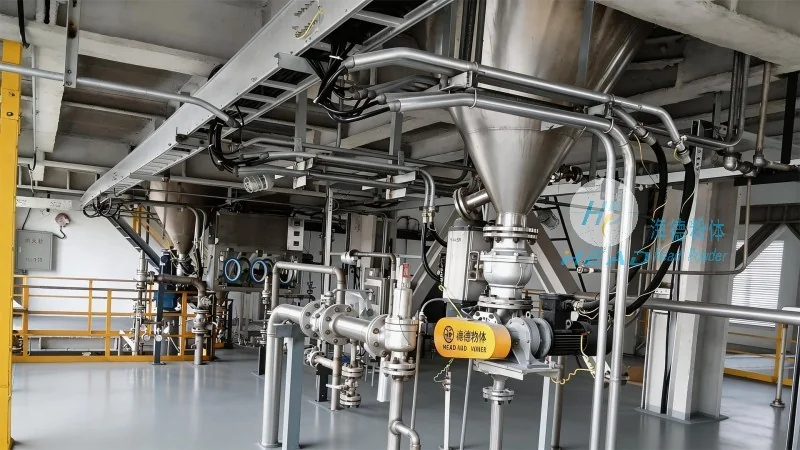
Heavy calcium powder conveying systems are engineered to handle the unique characteristics of this material, including its fine particle size, high bulk density, and tendency to generate dust. These systems are essential for ensuring a consistent and controlled flow of powder from storage to processing equipment. The primary goal is to minimize material loss, prevent blockages, and maintain a safe working environment. The design of these systems must address challenges like material segregation, which can occur if the powder is not conveyed uniformly, and the need for dust control to comply with environmental regulations.
Structural Components and Design Principles
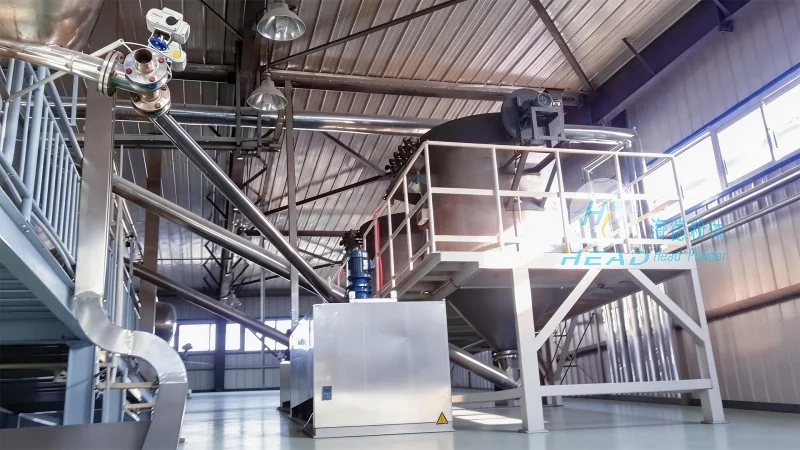
The heavy calcium powder conveying system typically consists of several interconnected components, each tailored to the specific requirements of heavy calcium powder. The main components include: 1) Hopper: A large, airtight container that stores the powder and provides a uniform feed to the feeder. The hopper is designed with a sloped bottom to prevent material buildup and ensure smooth discharge. 2) Feeder: A device that regulates the flow rate of the powder from the hopper to the conveyor. Common types include screw feeders and vibratory feeders, which are chosen based on the material's flowability and the required accuracy of the flow rate. 3) Conveyor: The core component responsible for transporting the powder. Mechanical conveyors, such as screw conveyors or belt conveyors, are widely used for heavy calcium powder due to their ability to handle high bulk densities and prevent material degradation. Pneumatic conveyors, which use air pressure to move the powder, are also used for shorter distances or when the powder is very fine. 4) Control System: An integrated system that monitors and adjusts the flow rate, pressure, and other operational parameters. This system ensures stable operation and allows for remote control and monitoring, enhancing overall efficiency.
Working Principle of the Conveying System
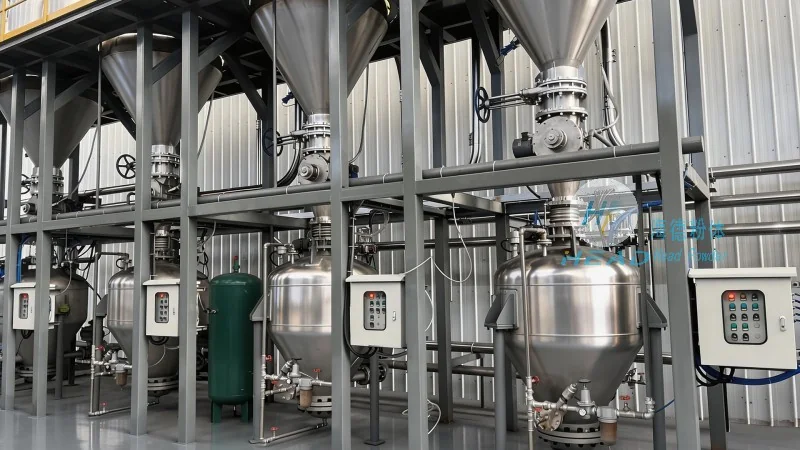
The operation of the heavy calcium powder conveying system is based on the principles of either mechanical or pneumatic transport. Mechanical conveying systems rely on the physical movement of the conveyor to push the powder forward. For example, a screw conveyor uses rotating screws to move the powder through a tube, while a belt conveyor uses a moving belt to transport the material. Pneumatic systems, on the other hand, use compressed air to create a flow of air and powder through pipes. The powder is carried by the air stream, which is then filtered and recycled. The choice between mechanical and pneumatic systems depends on factors such as the conveying distance, the material's properties, and the required flow rate. For heavy calcium powder, mechanical systems are often preferred due to their lower energy consumption and ability to handle higher bulk densities without the risk of material degradation.
Key Features and Advantages
Shandong HeadPowder Engineering Co., Ltd. designs heavy calcium powder conveying systems with several key features that enhance performance, reliability, and safety. These features include: 1) Robust Construction: The system is constructed with high-quality materials, such as stainless steel and wear-resistant alloys, to withstand the abrasive nature of heavy calcium powder and ensure long-term durability. 2) Advanced Flow Control: The feeder and control system are equipped with precision sensors and adjustable mechanisms, allowing for accurate regulation of the powder flow rate. This minimizes material waste and optimizes production output. 3) Dust Management: Integrated dust collection and filtration systems are included to reduce airborne particles, improving workplace safety and compliance with environmental regulations. The systems are designed to capture and filter dust before it is released into the environment. 4) Modular Design: The components are designed to be modular, facilitating easy maintenance and replacement of parts. This reduces downtime and lowers maintenance costs. 5) Customization: The systems can be customized to meet specific customer requirements, such as different conveying capacities, distances, and material types.
Application Scenarios and Benefits
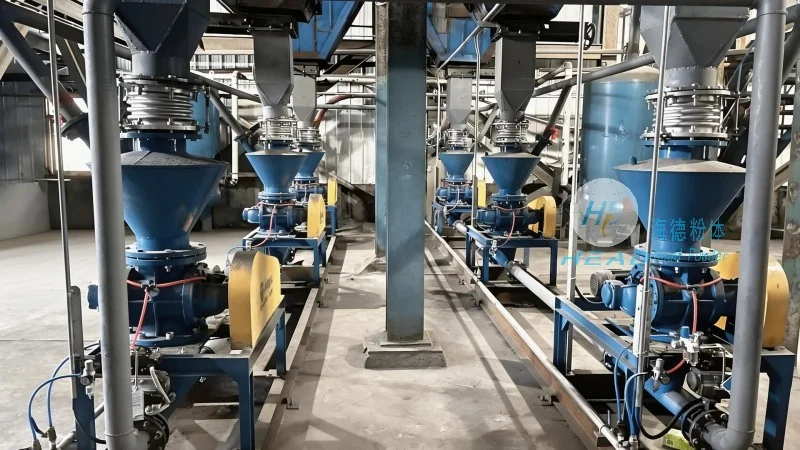
Heavy calcium powder conveying systems are widely used in various industrial applications, providing significant benefits to manufacturers. In the paper industry, they are used to transport calcium carbonate into paper machines, improving the brightness and whiteness of the final product. The consistent flow of powder ensures uniform paper quality, which is crucial for meeting customer specifications. In the plastic industry, heavy calcium powder is used as a filler in polymer blends, enhancing the mechanical properties of the final product. The conveying system ensures that the powder is evenly distributed throughout the polymer, resulting in a more durable and stable product. In the coatings industry, heavy calcium powder is used to improve the hardness and opacity of coatings. The conveying system ensures that the powder is added in the correct proportion, leading to a high-quality coating. The benefits of these systems extend beyond material handling, as they contribute to increased production efficiency, reduced operational costs, and improved product consistency.




