HeadPowder, a leading manufacturer based in Shandong, China, specializes in the design and production of advanced pneumatic conveying systems tailored for handling rare earth powders. This article provides an in-depth look at the equipment used in such systems, along with a detailed explanation of their structural principles and operational mechanisms.
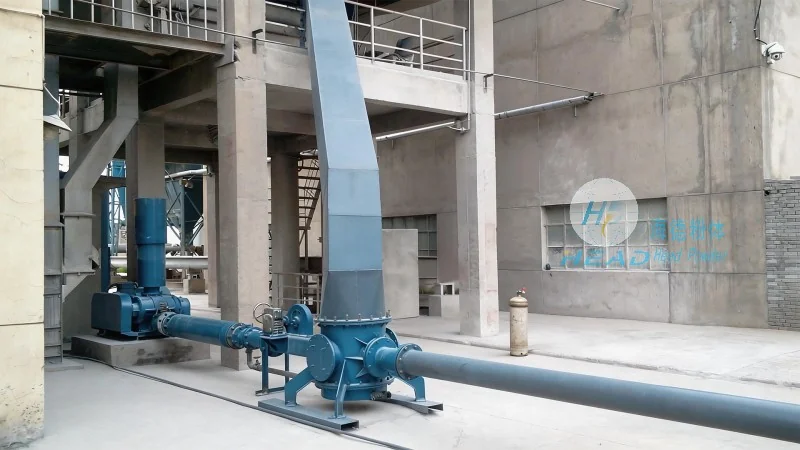
Key Components of Pneumatic Conveying Systems for Rare Earth Powders
The pneumatic conveying system for rare earth powders typically consists of several critical components that work in concert to ensure efficient material transport. These components include the material feed hopper, the air compressor or blower, the conveying line (often equipped with special valves and bends), and the receiving hopper or storage tank. Each component plays a vital role in maintaining the integrity and flow of the rare earth powder during the conveying process.
Material Feed Hopper and Feeder Mechanism
The material feed hopper is the initial component where the rare earth powder is stored before being transferred. It is designed with a controlled feeding mechanism, such as a rotary valve or a screw feeder, to regulate the flow of powder into the conveying line. This ensures a consistent and controlled feed rate, preventing issues like clogging or uneven material discharge. The hopper is also constructed with materials resistant to corrosion and wear, which is essential for handling the abrasive nature of rare earth powders.
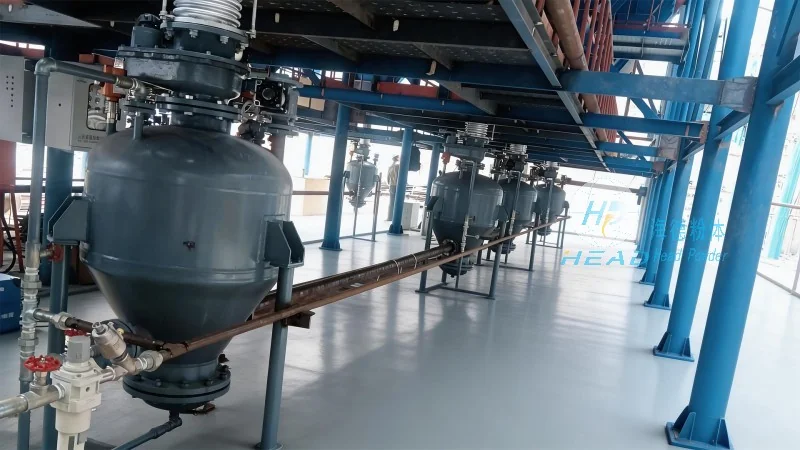
Air Compressor and Blower System
The air compressor or blower is the heart of the pneumatic conveying system, responsible for generating the necessary air pressure to move the powder particles through the conveying line. For rare earth powders, which are often fine and can be prone to dust generation, a high-efficiency blower or a positive displacement compressor is typically used. These systems are designed to maintain stable air pressure and flow rates, ensuring that the powder is transported without degradation or loss of quality. The selection of the air compressor depends on factors such as the particle size, density, and moisture content of the rare earth powder, as well as the distance and height of the conveying line.
Conveying Line and Specialized Valves
The conveying line is the main pathway through which the rare earth powder is transported. It is usually made of stainless steel or other corrosion-resistant materials to withstand the chemical properties of the powder and the air flow. The line may include various components such as elbows, tees, and check valves to direct the flow and prevent backflow. Specialized valves, like the rotary airlock valves at the inlet and outlet, are crucial for controlling the flow of powder and maintaining system pressure. These valves are designed to handle fine powders without causing blockages or material degradation.
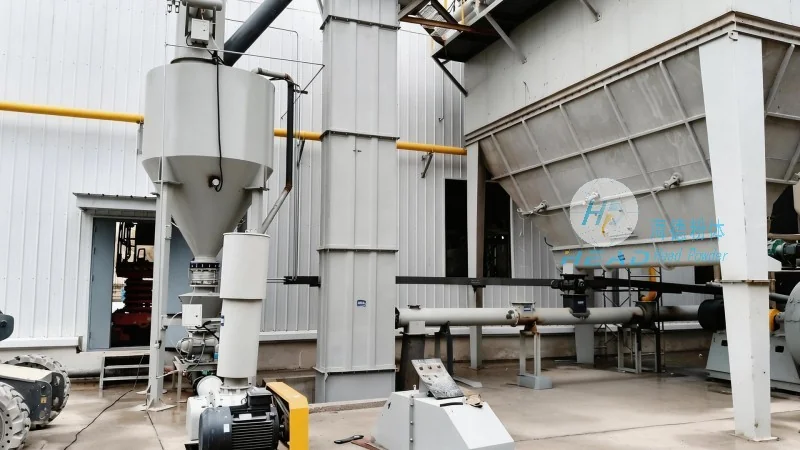
Receiving Hopper and Material Discharge
The receiving hopper is the final component where the rare earth powder is deposited after being conveyed. It is equipped with a discharge mechanism, such as a gate valve or a rotary valve, to control the release of the material into the next processing stage. The hopper is designed to minimize dust generation and ensure a smooth discharge process. Proper sealing and dust collection systems are often integrated with the receiving hopper to maintain a clean and safe working environment.
Structural Principles and Operational Efficiency
The structural principles of rare earth powder pneumatic conveying systems are centered on maintaining a consistent flow of material and air, while minimizing pressure losses and ensuring the integrity of the powder. The system operates on the principle of fluidization, where the air flow creates a suspension of the powder particles, allowing them to be transported through the line. The design of the components, such as the hopper geometry and the size of the conveying line, is optimized to minimize friction and resistance, thereby reducing energy consumption and increasing operational efficiency.
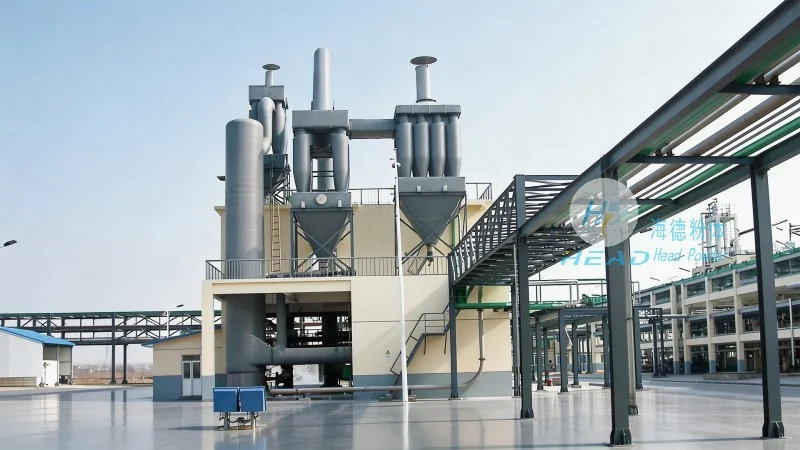
Advantages of Pneumatic Conveying for Rare Earth Powders
Pneumatic conveying systems offer several advantages over traditional methods like belt conveyors or bucket elevators for handling rare earth powders. These include the ability to transport materials in a closed system, which reduces dust exposure and environmental contamination. The systems are also flexible in terms of layout, allowing for vertical and horizontal transport combinations. Additionally, pneumatic conveying can handle a wide range of particle sizes and densities, making it suitable for various rare earth applications. The closed system also helps in maintaining the purity of the powder, which is critical for downstream processing in industries like electronics and magnets manufacturing.
Conclusion
HeadPowder's pneumatic conveying systems for rare earth powders are engineered to provide reliable, efficient, and safe material handling solutions. By understanding the key components and structural principles of these systems, users can optimize their operations and ensure the quality of rare earth powders throughout the conveying process. With a focus on durability, efficiency, and environmental compliance, these systems represent a modern approach to handling fine powders in industrial applications.




