This article provides a detailed overview of the operation process and working principle of nitrogen-protected powder pneumatic conveying systems, focusing on the technical aspects and practical applications of such systems. The content is tailored for industry professionals seeking to understand the core mechanisms and operational procedures involved in these advanced material handling solutions.
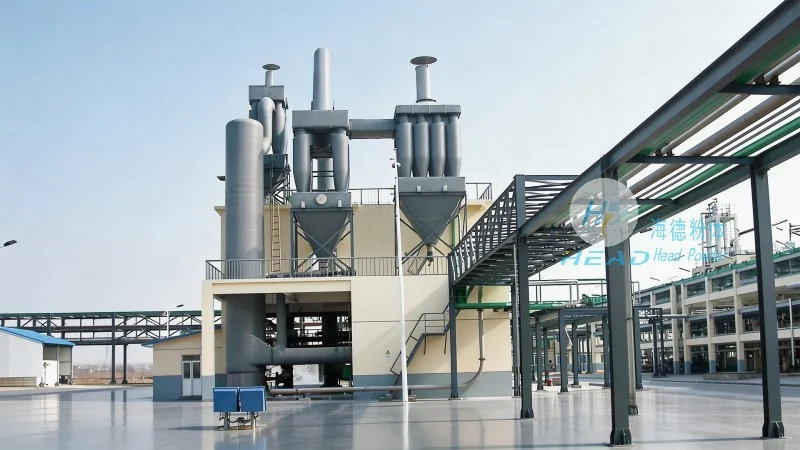
Company Overview: Shandong HeadPowder Engineering Co., Ltd.
HeadPowder, a leading provider in the field of powder handling technology, specializes in the design, manufacturing, and implementation of pneumatic conveying systems. With a strong commitment to innovation and quality, the company has established itself as a trusted partner for industries requiring reliable and efficient powder transport solutions. Based in Shandong, China, HeadPowder leverages its expertise to deliver customized systems that meet the unique demands of various sectors, including chemical, pharmaceutical, food, and industrial manufacturing.
Understanding the Working Principle of Nitrogen-Protected Pneumatic Conveying
The fundamental principle of a nitrogen-protected powder pneumatic conveying system is to transport bulk powders through a pipeline using a gas stream, typically air or nitrogen, under pressure. The system is designed to maintain an inert atmosphere, which is crucial for preventing oxidation, moisture absorption, or contamination of the conveyed material. This protective environment is achieved by introducing nitrogen gas into the conveying line, replacing or diluting the air and ensuring that the powder remains in a stable state throughout the transport process.
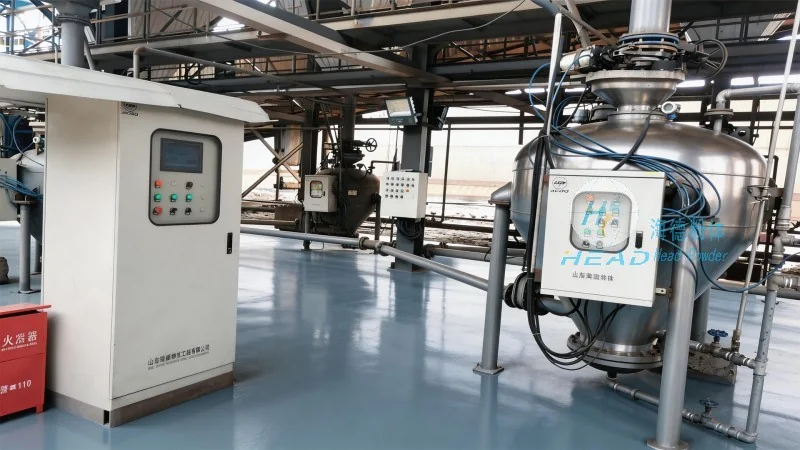
Key components of the system include the hopper or feeder, which feeds the powder into the conveying line; the air or nitrogen source, which provides the necessary pressure and flow; the conveying line itself, which transports the powder; and the discharge or collection equipment at the receiving end. The operation begins with the powder being introduced into the hopper, where it is then fed into the pipeline by a rotary valve or other feeding mechanism. The nitrogen gas is introduced at the inlet of the conveying line, creating a pressure differential that drives the powder particles along the pipeline. The gas velocity is carefully controlled to ensure that the powder is entrained and transported without causing excessive wear or degradation of the material.
Step-by-Step Operation Process
The operation of a nitrogen-protected powder pneumatic conveying system follows a systematic sequence of steps, each designed to ensure efficient and safe material transport. The process begins with the preparation phase, where the powder is loaded into the hopper and the nitrogen gas is pressurized to the required level. Once the system is ready, the feeding mechanism activates, introducing the powder into the conveying line at a controlled rate. The nitrogen gas, which is continuously supplied, creates a stable flow that carries the powder particles through the pipeline. At the receiving end, the powder is discharged into a collection vessel, and the system is then purged to remove any residual material. The entire process is monitored by sensors and control systems that ensure optimal performance and safety.
During operation, the system maintains a consistent pressure and flow rate to prevent blockages or fluctuations in the conveying process. The nitrogen gas acts as a protective medium, preventing the powder from coming into contact with oxygen or moisture, which could lead to quality degradation or safety hazards. This is particularly important for sensitive materials such as pharmaceuticals, food products, or chemicals that are prone to oxidation or moisture absorption. The system's design allows for flexibility in conveying different types of powders, with adjustments made to the gas flow rate, pressure, and feeding rate to accommodate varying material properties.
Key Advantages and Applications
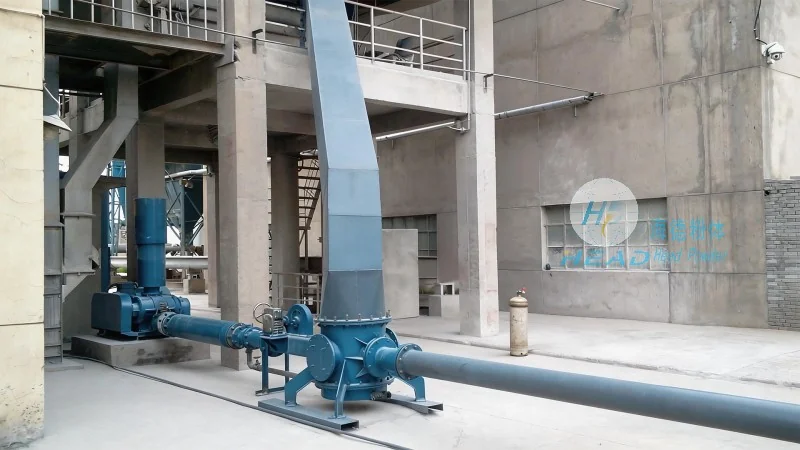
Nitrogen-protected powder pneumatic conveying systems offer several advantages over traditional conveying methods, making them ideal for a wide range of industrial applications. The primary benefit is the ability to maintain an inert atmosphere, which preserves the quality and integrity of the conveyed material. This is critical for industries where product purity and stability are paramount, such as pharmaceuticals, food processing, and fine chemicals. Additionally, the system provides a dust-free and enclosed transport process, reducing the risk of environmental contamination and improving workplace safety.
Another advantage is the system's efficiency and flexibility. Unlike mechanical conveying systems, which may require complex infrastructure and maintenance, pneumatic conveying systems can be easily scaled and adapted to different production requirements. The use of nitrogen gas also allows for the transport of materials that are sensitive to air or moisture, expanding the range of applications for which these systems are suitable. Industries that benefit from nitrogen-protected pneumatic conveying include chemical manufacturing, pharmaceutical production, food processing, and industrial bulk material handling.
Conclusion and Company Commitment
In conclusion, nitrogen-protected powder pneumatic conveying systems represent a sophisticated and reliable solution for the transport of bulk powders. The combination of pneumatic transport technology with nitrogen protection ensures that materials are handled safely, efficiently, and with minimal risk of degradation. HeadPowder, as a leading provider in this field, continues to innovate and improve its systems to meet the evolving needs of industries worldwide. By leveraging advanced engineering and quality manufacturing, HeadPowder delivers systems that not only meet but exceed industry standards, providing customers with long-term solutions for their powder handling challenges.




