Positive pressure pressurized pneumatic conveying systems represent advanced industrial solutions for the efficient and reliable transport of bulk powder materials. These systems leverage compressed air to move powders through pipelines, offering distinct advantages over traditional methods such as reduced product degradation, high conveying capacity, and minimal maintenance requirements. Understanding the operation process and working principle of such systems is essential for optimizing performance and ensuring effective material handling in various industrial applications.
Overview of Positive Pressure Pressurized Pneumatic Conveying Systems
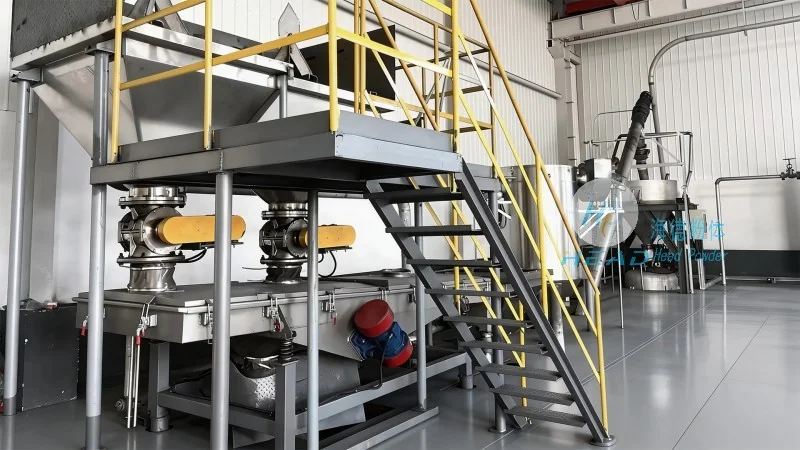
Positive pressure systems operate by maintaining a pressure within the conveying pipeline that exceeds ambient air pressure. This pressurized environment ensures continuous material movement, eliminating the need for vacuum suction which can be less effective for certain powder types. The system typically comprises several critical components: a positive displacement blower or compressor, a hopper or feeder for material loading, a conveying pipeline, and a receiver or discharge unit. Each component functions in concert to achieve efficient powder transport, with the overall design tailored to the specific characteristics of the material being conveyed.
Key System Components and Their Roles
The positive displacement blower or compressor serves as the system's power source, delivering a consistent volume of air at a controlled pressure. This component is engineered to provide the necessary force to propel the powder-air mixture through the pipeline. The hopper or feeder is responsible for storing and regulating the powder feed rate, often incorporating features like rotary valves or screw feeders to prevent blockages and ensure a steady flow. The conveying pipeline is constructed from materials resistant to corrosion and abrasion—such as stainless steel or specialized plastics—to withstand the abrasive nature of powders and the system's pressure. The receiver or discharge unit collects the conveyed powder, typically equipped with dust collection mechanisms to maintain product purity and environmental compliance.
Step-by-Step Operation Process
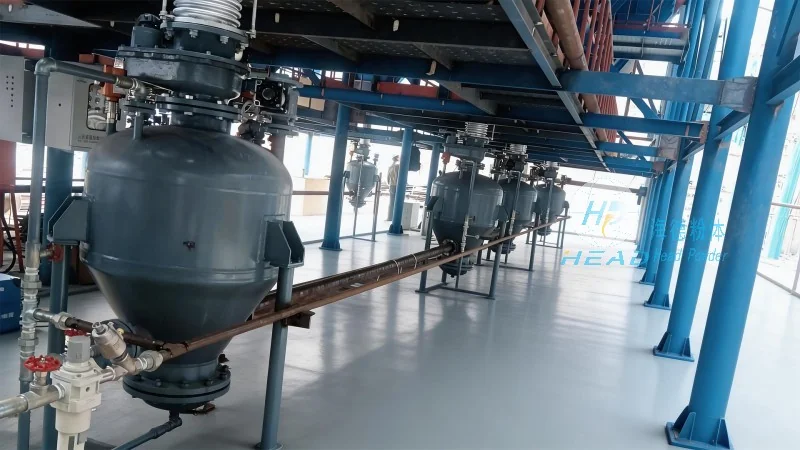
The operation of a positive pressure pressurized pneumatic conveying system follows a sequential process. Initially, the powder is loaded into the hopper or feeder. The feeder then regulates the material flow into the pipeline, ensuring a consistent feed rate. Simultaneously, the positive displacement blower or compressor activates, generating the required pressure. As compressed air mixes with the powder, it forms a slurry-like mixture that is propelled through the pipeline. This mixture travels to the receiver or discharge unit, where air and powder are separated—often via cyclones or filters. The separated powder is collected in the receiver, while the air is either vented or recirculated back to the blower. This continuous cycle allows for uninterrupted material transport between production, storage, or processing areas.
Working Principle Explained
The working principle of a positive pressure pressurized pneumatic conveying system is rooted in fluid dynamics and particle suspension. The system creates a pressure differential between the inlet and outlet of the pipeline. The positive pressure at the inlet forces the powder-air mixture toward the outlet. The air velocity is critical: it must be sufficient to overcome pipeline resistance, particle size effects, and any bends or fittings. This velocity ensures the powder remains entrained in the air stream without settling. The system's design—including blower capacity, pipeline diameter, and length—is optimized to maintain the required air velocity and pressure for efficient conveying. This principle enables the reliable transport of diverse powder materials, from fine powders like cement or flour to bulk materials like coal or minerals.
Advantages and Industrial Applications
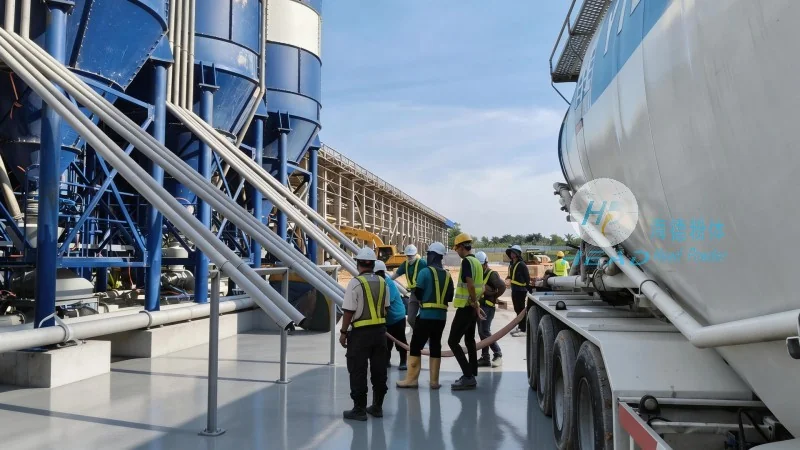
Positive pressure pressurized pneumatic conveying systems offer several key advantages. They provide high conveying capacities, making them suitable for large-scale industrial operations. The enclosed pipeline design minimizes dust emissions, enhancing workplace safety and environmental compliance. Additionally, the absence of mechanical contact reduces product degradation, which is vital for sensitive materials like pharmaceuticals or food products. These systems are widely utilized in industries including pharmaceuticals, food processing, chemicals, and mining, where efficient and clean powder transport is critical. The flexibility of the system allows adaptation to various plant layouts and material types, making it a versatile solution for diverse industrial needs.
Conclusion
In summary, the operation process and working principle of positive pressure pressurized pneumatic conveying systems are fundamental to their effectiveness in bulk powder transport. The system's design, components, and operation are optimized for efficiency, reliability, and safety. As a leading provider in this field, Shandong HeadPowder Engineering Co., Ltd. specializes in the design, manufacturing, and installation of such systems. Leveraging advanced engineering and technology, HeadPowder delivers solutions that enhance operational efficiency and product integrity across various industrial applications. With a commitment to quality and performance, HeadPowder continues to innovate in powder handling technology, meeting the evolving needs of industrial clients worldwide.




