Light calcium material handling systems are critical components in industrial production lines, particularly for the efficient transport and processing of light calcium powder. Understanding the operation process and working principle of such equipment is essential for optimizing production efficiency and ensuring safe operation. This article provides a detailed overview of the key aspects involved in the operation of light calcium material handling systems, presented by Shandong HeadPowder Engineering Co., Ltd., a leading manufacturer in the field.
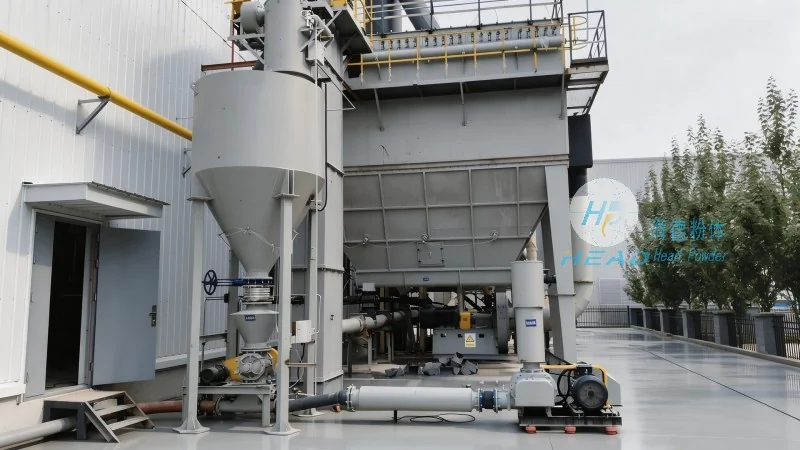
Company Introduction
Shandong HeadPowder Engineering Co., Ltd., commonly known as headpowder, is a professional enterprise based in Shandong, China. The company specializes in the research, development, and manufacturing of advanced material handling equipment, including systems designed for light calcium powder. With years of experience and a commitment to technological innovation, headpowder has established itself as a reliable partner for industries requiring efficient and reliable material transport solutions.
Overview of Light Calcium Material Handling Systems
Light calcium material handling systems are specifically designed to handle light calcium powder, a common industrial material used in various applications such as coatings, plastics, and paper production. These systems typically consist of several key components, including feeders, conveyors, storage silos, and control systems. The primary goal of these systems is to ensure the smooth and continuous movement of light calcium powder from storage to processing units, minimizing material loss and operational downtime.
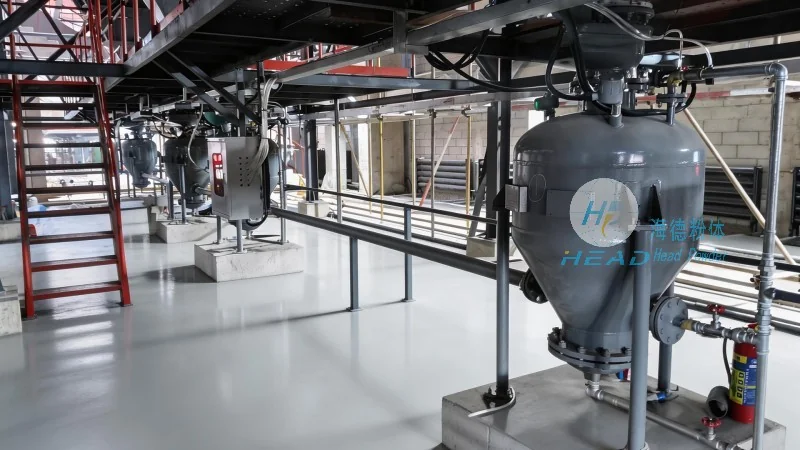
Operation Process of Light Calcium Material Handling Equipment
The operation process of light calcium material handling equipment involves several sequential steps, each designed to ensure the efficient and safe transport of the material. The process typically begins with the loading of light calcium powder into a storage silo. From there, the material is transferred to a feeder, which regulates the flow rate to the conveyor system. The conveyor then transports the light calcium powder to the processing unit, where it is further processed or packaged. Throughout this process, the system is equipped with sensors and control mechanisms to monitor the material flow, detect any blockages or abnormalities, and adjust the operation parameters as needed.
Working Principle of the Material Handling System
The working principle of light calcium material handling systems is based on the principles of mechanical transport and material flow control. The system utilizes various types of conveyors, such as screw conveyors, belt conveyors, or pneumatic conveyors, depending on the specific requirements of the application. For light calcium powder, which is a fine and dusty material, pneumatic conveyors are often preferred due to their ability to handle the material without causing excessive dust generation or material degradation. The system also includes a series of valves, gates, and hoppers to control the direction and speed of the material flow, ensuring precise and controlled transport.
Key Components and Their Functions
Several key components contribute to the effective operation of light calcium material handling systems. The storage silo serves as the primary container for the light calcium powder, providing a large capacity to store the material and maintain a consistent supply. The feeder, often a rotary valve or a vibratory feeder, regulates the discharge rate of the material from the silo, ensuring a steady flow to the conveyor. The conveyor system, which may be a screw conveyor or a belt conveyor, transports the material horizontally or vertically, depending on the layout of the production line. The control system, equipped with sensors and a programmable logic controller (PLC), monitors the entire process and adjusts the operation parameters to maintain optimal performance. Additionally, dust collection systems are often integrated into the design to control dust emissions and ensure a safe working environment.
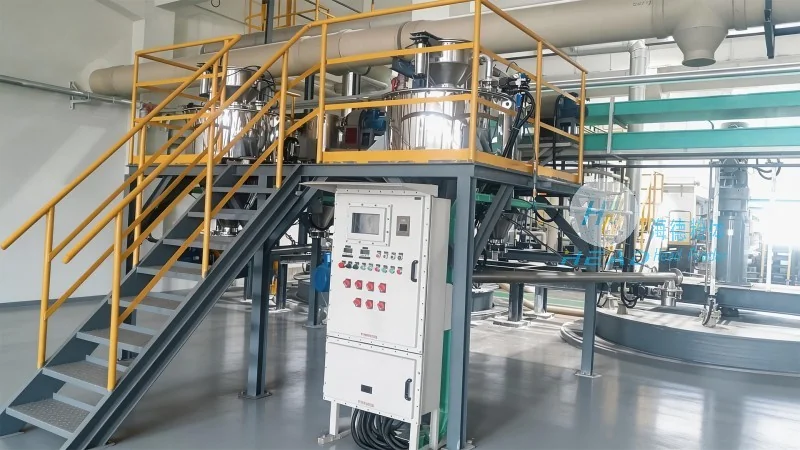
Benefits of Using Light Calcium Material Handling Systems
Implementing light calcium material handling systems offers several benefits for industrial operations. Firstly, these systems enhance production efficiency by ensuring a continuous and uninterrupted flow of material, reducing downtime caused by material shortages or blockages. Secondly, they improve safety by minimizing the risk of dust explosions and material handling accidents through the use of sealed systems and proper ventilation. Thirdly, the precise control of material flow helps in maintaining consistent product quality, which is crucial for applications where the properties of light calcium powder are critical. Finally, the automation features of modern light calcium material handling systems reduce the need for manual labor, leading to cost savings and improved operational flexibility.
Conclusion
In conclusion, light calcium material handling systems are essential for the efficient and safe operation of industrial processes involving light calcium powder. The operation process, which involves loading, feeding, conveying, and processing, is carefully designed to ensure optimal performance. The working principle, based on mechanical transport and material flow control, utilizes advanced components to achieve precise and reliable material handling. By understanding these aspects, industries can make informed decisions when selecting and implementing light calcium material handling systems, ultimately improving their production efficiency and product quality. Shandong HeadPowder Engineering Co., Ltd. remains committed to providing high-quality material handling solutions tailored to the specific needs of its clients, ensuring reliable and efficient operation in various industrial applications.




