Roots blower material conveying lines are industrial systems designed to transport bulk materials efficiently and reliably. These systems are widely used in various industries, including chemical, pharmaceutical, food processing, and mining, due to their robust performance and adaptability. The core component of such a line is the roots blower, which generates the necessary air pressure to move materials through pipelines. By integrating with conveyor systems, hoppers, and control mechanisms, these lines ensure seamless material handling from source to destination. Shandong HeadPowder Engineering Co., Ltd. specializes in designing and manufacturing high-quality roots blower material conveying lines tailored to meet the specific needs of industrial clients.
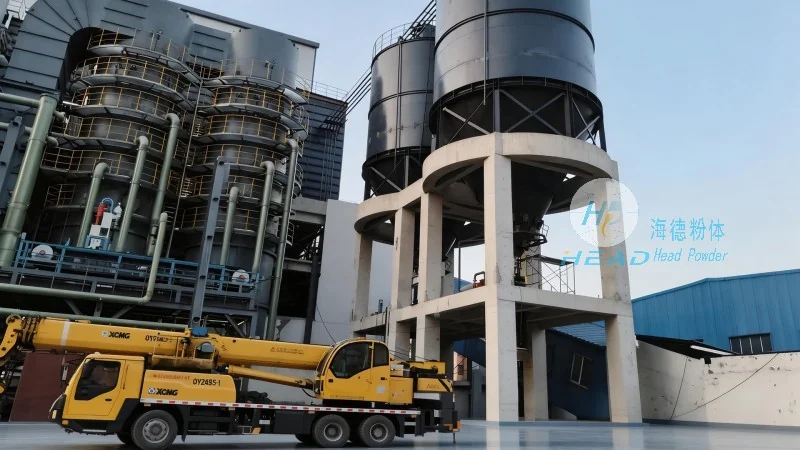
Key Components of a Roots Blower Material Conveying Line
The operation of a roots blower material conveying line relies on several critical components that work in harmony. The primary component is the roots blower itself, which consists of two interlocking lobed rotors housed in a casing. These rotors rotate in opposite directions, creating a vacuum at the intake and compressing air at the discharge. Complementary components include material hoppers or feeders that supply the bulk material, pipeline systems that transport the material, and control valves or dampers that regulate the flow. Additionally, dust collection systems and safety features are often integrated to ensure operational safety and compliance with environmental regulations.
Working Principle of Roots Blower Material Conveying Lines
The working principle of a roots blower material conveying line is based on the positive displacement mechanism of the roots blower. As the two lobed rotors rotate, they trap air or gas in the space between the lobes and the casing. The rotation causes the trapped volume to move from the intake side to the discharge side, increasing the pressure and velocity of the air/gas. This pressurized air then propels the bulk material through the pipeline. The continuous rotation of the rotors ensures a consistent flow of material, while the pressure generated by the blower maintains the material's movement, even in vertical or inclined pipelines. The efficiency of this process is enhanced by the design of the rotors, which minimizes leakage and maximizes air displacement.
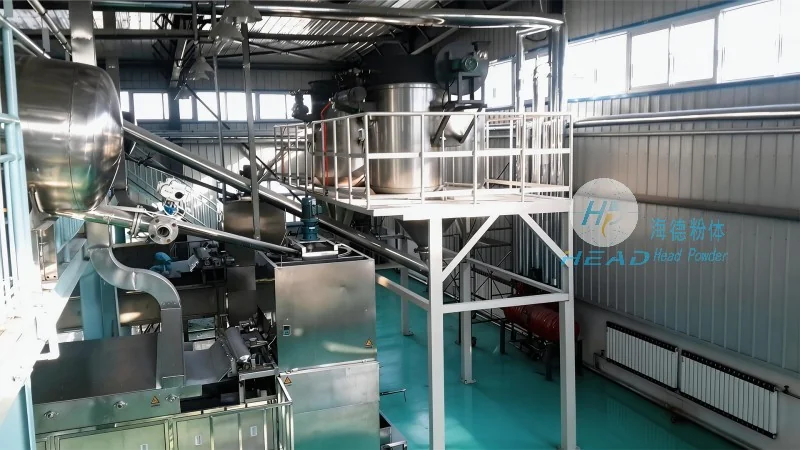
Operation Process of a Roots Blower Material Conveying Line
The operation process of a roots blower material conveying line involves several sequential steps to ensure smooth material transport. First, the bulk material is fed into the material hopper or feeder, which regulates the flow rate based on the system's requirements. The feeder then transfers the material to the intake of the roots blower. As the blower operates, it draws air from the intake and compresses it, creating a pressure differential that moves the material through the pipeline. The material is carried by the high-velocity air stream, which can travel through horizontal, vertical, or inclined sections of the pipeline. At the discharge end, the material is deposited into a receiving hopper or storage silo. Control systems, such as pressure sensors and flow meters, monitor the operation in real-time, allowing for adjustments to maintain optimal performance. Safety interlocks and emergency shut-off valves are also part of the system to prevent accidents and ensure operational safety.
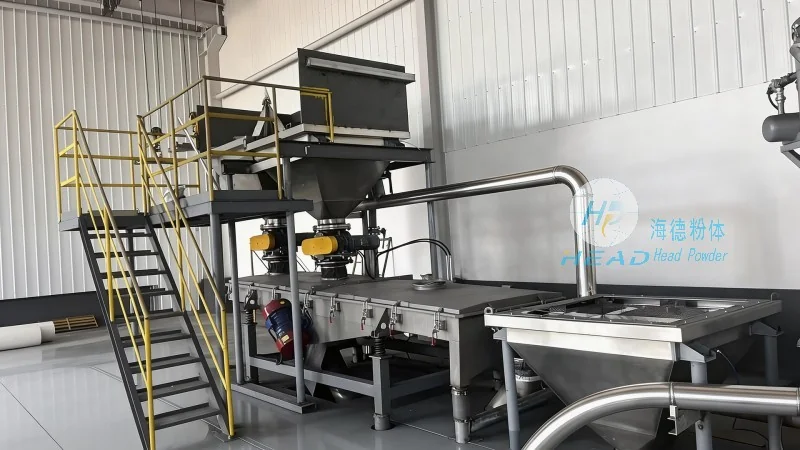
Applications and Benefits of Roots Blower Material Conveying Lines
Roots blower material conveying lines are versatile and suitable for a wide range of applications. They are commonly used to transport powders, granules, and bulk solids in industries such as chemical manufacturing, where precise material handling is crucial. In the pharmaceutical industry, these systems ensure contamination-free transport of raw materials and finished products. The food processing sector benefits from the hygienic design of roots blower systems, which can be easily cleaned and sanitized. Additionally, the mining industry uses roots blower conveying lines to transport ore and waste materials from mines to processing facilities. The key benefits of these systems include high efficiency, low maintenance costs, and the ability to handle abrasive or corrosive materials without damage to the equipment. The positive displacement mechanism ensures consistent flow rates, reducing material buildup and improving process reliability.
Maintenance and Operational Considerations for Roots Blower Material Conveying Lines
Proper maintenance is essential to ensure the long-term performance and reliability of roots blower material conveying lines. Regular inspection of the roots blower rotors and casing for wear and tear is necessary to prevent leakage and maintain efficiency. Lubrication systems are critical to reduce friction and extend the life of the rotors. The material feeders and hoppers should be checked for blockages or material buildup, which can affect the flow rate and system performance. Cleaning the pipeline and dust collection systems regularly prevents clogging and ensures proper air flow. Operational considerations include monitoring the pressure and flow rates, as well as the temperature of the material and air. Overheating can indicate excessive load or air leaks, requiring immediate attention. Additionally, the system should be checked for proper alignment of the rotors to avoid excessive vibration and wear. By following these maintenance practices, the roots blower material conveying line can operate efficiently and safely for extended periods.




