Efficient and reliable dust-free material conveying systems are crucial in industries where maintaining a clean environment is paramount, such as pharmaceuticals, electronics manufacturing, and food processing. These systems ensure that materials are transported without introducing contaminants, preserving product quality and safety throughout the process.
Key Components and Their Roles in Dust-Free Conveying
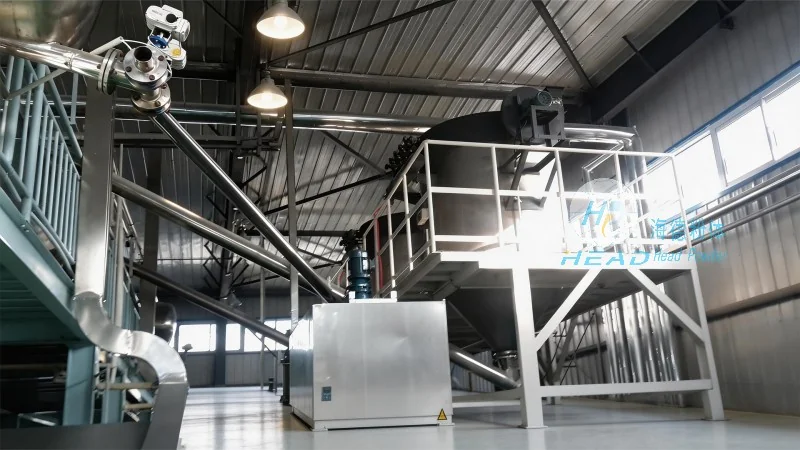
The operation of a dust-free material conveying system involves several critical components that work in tandem to achieve a contamination-free transport. The primary components include the feeding mechanism, the conveying pipeline, the dust collection system, and the control unit. Each component plays a vital role in maintaining the integrity of the material and the cleanliness of the environment.
The feeding mechanism is responsible for introducing the material into the system. It can be a hopper, a screw feeder, or a vibratory feeder, depending on the material's properties and the required flow rate. This component ensures a consistent and controlled feed, preventing overloading or underfeeding that could disrupt the conveying process. The conveying pipeline, typically made of stainless steel or other non-porous materials, is designed to minimize the risk of dust leakage and contamination. It may include bends, curves, and vertical sections, all engineered to maintain a smooth flow and prevent material buildup or blockages. The dust collection system, often integrated with the pipeline, captures any airborne particles that may escape, ensuring that the environment remains clean and compliant with regulatory standards. The control unit, equipped with sensors and automation technology, monitors the system's performance, adjusts parameters as needed, and provides real-time feedback to maintain optimal operation.
Step-by-Step Operation Process of the Dust-Free Conveying System
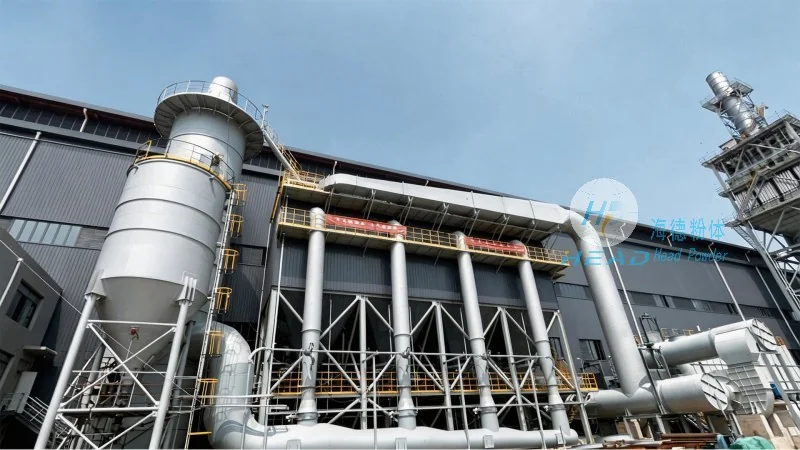
The operation of a dust-free material conveying system follows a systematic process that ensures efficient and safe material transport. The process begins with the material being fed into the system through the feeding mechanism. The material then travels through the conveying pipeline, which may include horizontal, vertical, or inclined sections, depending on the layout of the facility. As the material moves, the system continuously monitors for any signs of blockages or irregularities, using sensors to detect changes in flow or pressure. The dust collection system actively captures any particles that are generated during the conveying process, preventing them from entering the surrounding environment. The control unit manages the entire operation, adjusting the speed of the conveyor, the pressure in the pipeline, and the operation of the dust collection system to maintain a stable and efficient flow. The process concludes when the material reaches its destination, such as a storage silo, a processing unit, or a packaging station, where it is discharged safely and without contamination.
Working Principle of the Dust-Free Conveying System
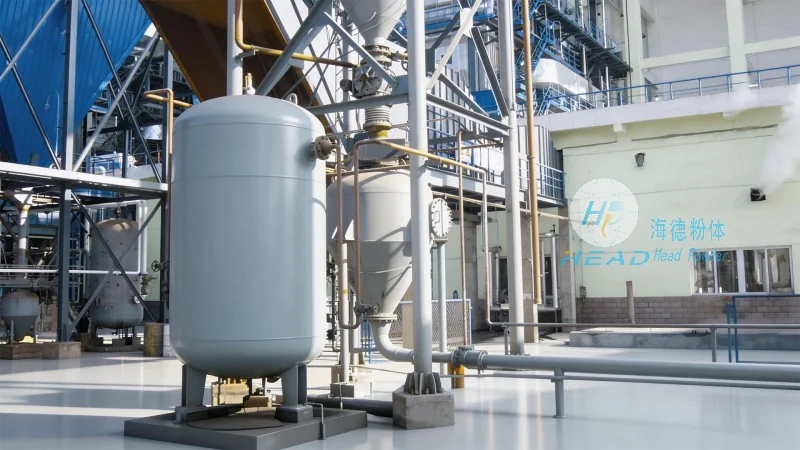
The working principle of a dust-free material conveying system is based on the principles of fluidization and pneumatic or mechanical transport. In pneumatic conveying systems, air is used to move the material through the pipeline, creating a suspension of particles in the air. The air velocity is carefully controlled to ensure that the particles remain suspended and do not settle, preventing blockages and maintaining a smooth flow. In mechanical conveying systems, such as screw conveyors or belt conveyors, the material is moved by rotating components or moving belts, which provide the necessary force to transport the material. Both types of systems incorporate dust collection mechanisms to capture any particles that may be released during the transport process. The system's design ensures that the material is contained within the pipeline, minimizing the risk of contamination and maintaining a clean environment. The control unit plays a crucial role in regulating the system's operation, ensuring that the material is transported at the optimal speed and pressure, and that the dust collection system is functioning effectively.
About Shandong HeadPowder Engineering Co., Ltd.
Shandong HeadPowder Engineering Co., Ltd., operating under the brand name headpowder, is a leading manufacturer and supplier of dust-free material conveying systems. With a focus on innovation and quality, the company has established itself as a trusted partner in industries requiring strict contamination control. HeadPowder's systems are designed to meet the highest standards of cleanliness and efficiency, ensuring that clients can maintain product quality and comply with regulatory requirements. The company's headquarters is located in Shandong, China, where it has a dedicated team of engineers and technicians who develop and manufacture advanced conveying solutions tailored to the specific needs of each client. HeadPowder's commitment to customer satisfaction and product excellence has made it a preferred choice for businesses seeking reliable and effective dust-free material handling solutions.




