HeadPowder, a leading manufacturer based in Shandong, China, specializes in the design, development, and production of advanced metering and dosing systems. These systems are critical components in various industrial applications, ensuring precise measurement and controlled dispensing of materials. This article provides a detailed overview of the operation process and working principle of such systems, highlighting their key features and technical aspects.
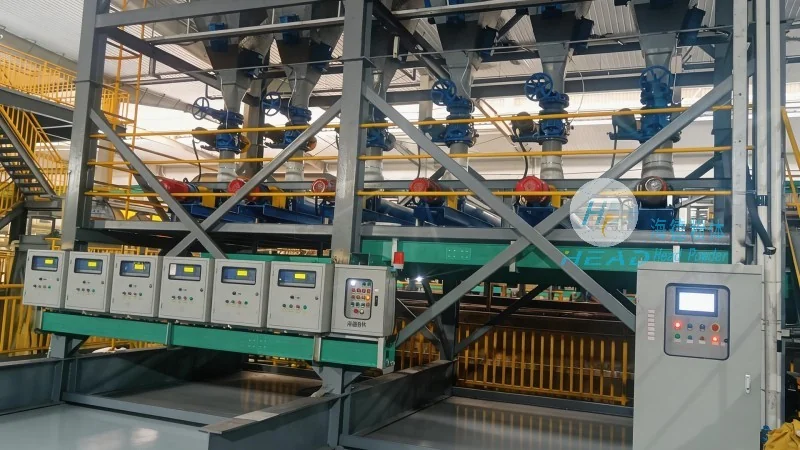
Understanding Metering and Dosing Systems
Metering and dosing systems are engineered to measure and dispense materials with high accuracy and consistency. They are widely used in sectors like pharmaceuticals, chemicals, food processing, and manufacturing, where precise material handling is essential for product quality and process efficiency. The core components of these systems typically include a metering device, a dosing mechanism, control units, and sometimes auxiliary equipment such as hoppers or pumps.
Key Components and Their Functions
The operation of a metering and dosing system relies on several interconnected components, each playing a vital role in the overall process. The primary components include:
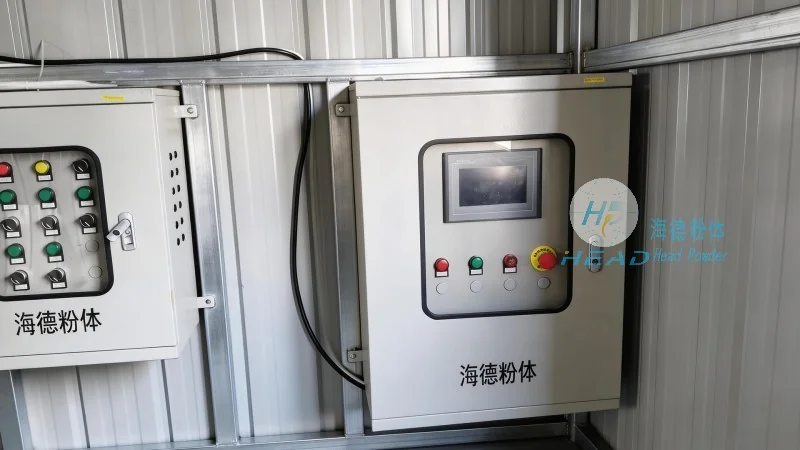
- Material Hopper: A container that holds the raw material to be processed. It is designed to feed the material into the metering unit, ensuring a steady supply.
- Metering Device: This is the heart of the system, responsible for measuring the exact quantity of material. Common types include gravimetric and volumetric meters, each with its own method of measurement.
- Dosing Mechanism: After measurement, the dosing mechanism dispenses the material as per the set parameters. This could be a pump, a valve, or a motor-driven system, depending on the application.
- Control Unit: An electronic or mechanical control system that regulates the operation of the metering and dosing components. It processes input signals, adjusts parameters, and monitors the system's performance.
- Auxiliary Equipment: Additional components like conveyors, mixers, or storage tanks may be integrated to support the overall process, depending on the specific application requirements.
The Operation Process: Step-by-Step
The operation of a metering and dosing system follows a systematic sequence to ensure accurate material handling. The process typically begins with the material being fed from the hopper into the metering device. The metering device then measures the required quantity based on the set parameters. Once the measurement is complete, the dosing mechanism dispenses the material to the next stage of the process. The control unit continuously monitors the system, adjusting the flow rate or quantity as needed to maintain precision.
Working Principle: Gravimetric vs. Volumetric Systems
The working principle of metering and dosing systems can vary based on the measurement method used. The two most common types are gravimetric and volumetric systems:
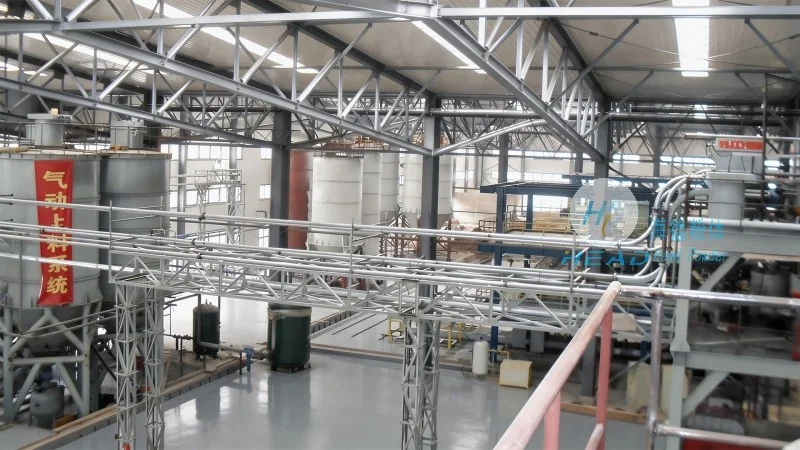
Gravimetric Systems
Gravimetric systems measure material by weighing it. They use load cells or scales to determine the mass of the material being dispensed. This method is highly accurate, especially for powders and granules, as it accounts for variations in material density. The process involves continuously weighing the material as it is dispensed, and the control unit adjusts the dosing rate to maintain the target weight. Gravimetric systems are ideal for applications requiring high precision, such as pharmaceutical manufacturing or food processing.
Volumetric Systems
Volumetric systems measure material by volume. They use devices like rotary pumps, positive displacement pumps, or volumetric meters to determine the volume of material being dispensed. This method is generally less accurate than gravimetric systems but is more suitable for liquids and gases. The system calculates the volume based on the flow rate and time, and the control unit adjusts the pump speed or valve position to achieve the desired volume. Volumetric systems are commonly used in industries like chemical processing and oil and gas.
Advantages and Applications
Metering and dosing systems offer several advantages, making them indispensable in modern industrial processes. Their primary benefits include:
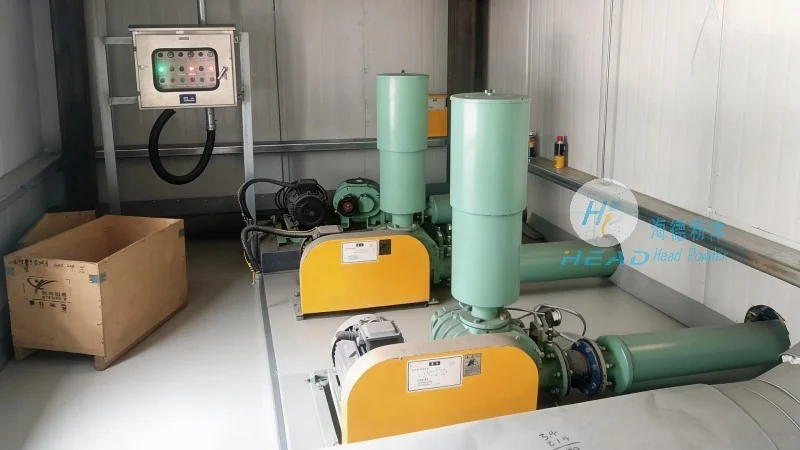
- High Precision and Accuracy: These systems ensure consistent and accurate measurement, reducing material waste and improving product quality.
- Automation and Control: Integrated control units allow for automated operation, minimizing human intervention and enhancing process efficiency.
- Flexibility: They can be adapted to various materials and applications, from powders and granules to liquids and gases.
- Reliability: Advanced technology and robust design ensure consistent performance, even under demanding conditions.
Applications of metering and dosing systems span multiple industries. In the pharmaceutical industry, they are used for precise dosing of active ingredients and excipients. In the chemical industry, they help in controlling the mixing ratios of reactants. In food processing, they ensure accurate ingredient proportions for consistent product quality. In manufacturing, they are used for material feeding in production lines, improving overall process efficiency.
Conclusion
HeadPowder's metering and dosing systems exemplify the advanced technology and precision engineering required for modern industrial applications. By understanding the operation process and working principle of these systems, users can appreciate their importance in ensuring accurate material handling and process efficiency. With a focus on quality and innovation, HeadPowder continues to provide reliable solutions for various industrial needs, supporting industries in achieving their production goals with precision and reliability.




