HeadPowder, a leading engineering company based in Shandong, China, specializes in the design and manufacturing of advanced pneumatic conveying systems tailored for the transportation of dry desulfurizer materials. This article delves into the fundamental principles behind these machines and highlights the key working scene characteristics that make them indispensable in modern industrial applications.
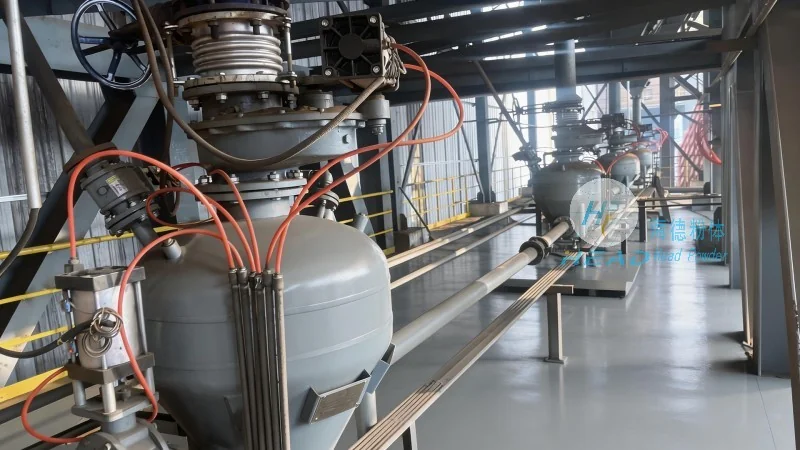
Introduction to Pneumatic Conveying for Dry Desulfurizer Materials
Pneumatic conveying machines are critical equipment used to transport dry desulfurizer materials, such as limestone or other alkaline compounds, from storage silos to reactors or other processing units. The technology relies on the use of air or other gases to create a flow that moves the material through a pipeline system. This method offers significant advantages over traditional mechanical conveying, including reduced maintenance, lower energy consumption, and improved safety in handling potentially hazardous materials.
Core Principle of Pneumatic Conveying Systems
The fundamental principle of pneumatic conveying for dry desulfurizer materials involves creating a pressure differential within the conveying pipeline. A fan or blower generates a flow of air that pulls or pushes the material through the system. There are two primary types of pneumatic conveying: pressure and vacuum systems. Pressure systems use compressed air to push the material forward, while vacuum systems use a suction effect to draw the material into the pipeline. For dry desulfurizer materials, which are often fine powders or granules, the choice of system depends on factors like material characteristics, distance, and desired flow rate.
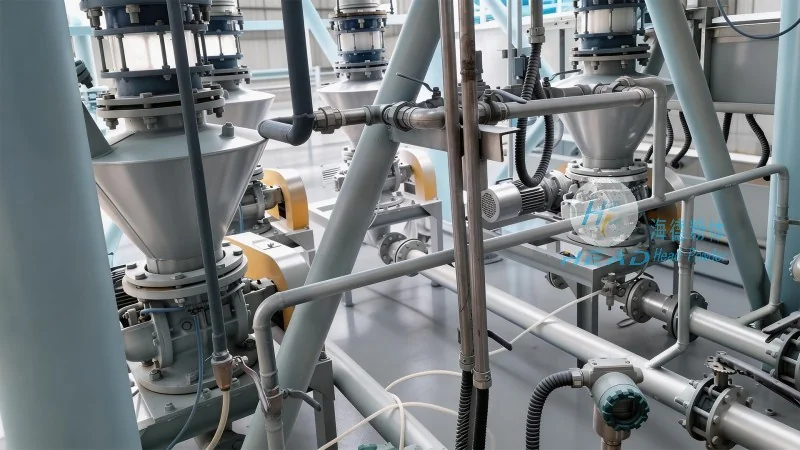
Key Working Scene Characteristics
The working scene characteristics of pneumatic conveying machines for dry desulfurizer materials are tailored to meet the specific demands of industrial processes. These characteristics include:
- High Efficiency and Reliability: The systems are designed to operate with minimal downtime, ensuring consistent material delivery to reactors. This reliability is crucial in continuous production environments where interruptions can lead to significant operational costs.
- Low Maintenance Requirements: Unlike mechanical conveyors, which require regular lubrication and part replacement, pneumatic systems have fewer moving parts, reducing maintenance frequency and associated costs.
- Adaptability to Material Variations: The conveying systems can handle a wide range of dry desulfurizer materials, from fine powders to coarse granules, with minimal adjustments. This flexibility allows for the integration of different materials in a single process without the need for separate equipment.
- Enhanced Safety and Environmental Control: Pneumatic conveying minimizes dust exposure and material spillage, which is particularly important when handling desulfurizer materials that may be dusty or have environmental implications. The enclosed pipeline system also helps in controlling emissions and maintaining a clean working environment.
Application Scenarios in Industrial Settings
Pneumatic conveying machines for dry desulfurizer materials are widely used in various industrial settings, including power plants, chemical manufacturing facilities, and industrial waste treatment plants. In power plants, these systems are essential for transporting limestone to flue gas desulfurization (FGD) units, where the material is used to neutralize sulfur dioxide emissions. The efficiency of the conveying system directly impacts the overall performance of the FGD process, making it a critical component of the plant's environmental control measures.
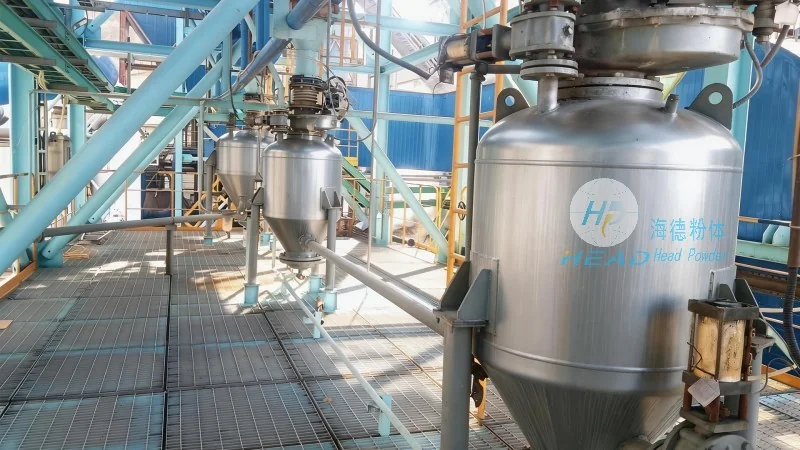
In chemical manufacturing, the systems are used to transport alkaline compounds used in various production processes, such as the production of fertilizers or other chemical products. The ability to handle fine powders and maintain consistent flow rates is vital for maintaining product quality and process efficiency.
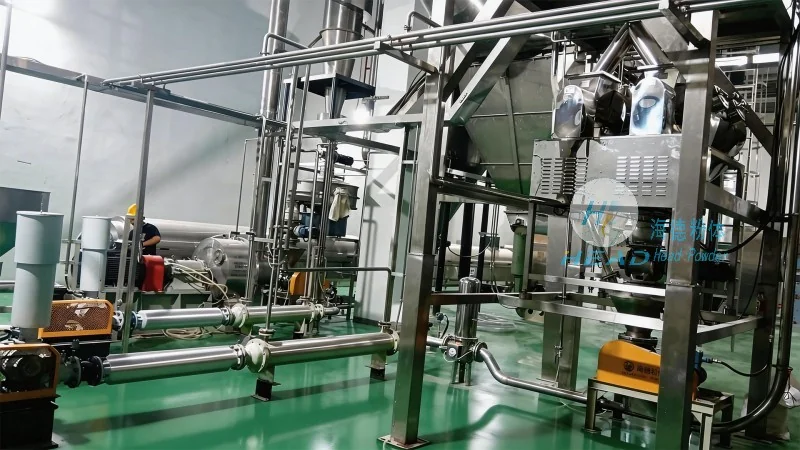
In industrial waste treatment, pneumatic conveying is used to transport desulfurizer materials used in the treatment of acidic or contaminated water. The systems help in ensuring that the treatment process operates smoothly by providing a reliable supply of the necessary materials.
Conclusion
HeadPowder's pneumatic conveying machines for dry desulfurizer materials represent a sophisticated solution for industrial material handling. By leveraging the principles of pneumatic transport, these systems offer high efficiency, low maintenance, and enhanced safety, making them an ideal choice for modern industrial applications. The working scene characteristics, tailored to the specific needs of different industries, ensure that these machines can be integrated seamlessly into existing processes, contributing to improved operational performance and environmental compliance.




