Clay sand powder pneumatic conveying machines are essential equipment in industrial processes that handle fine particulate materials. These systems utilize air as the primary medium to transport clay sand and other similar powders from one location to another, offering a flexible and efficient solution for material handling. The technology behind these machines combines principles of fluidization, pressure, and air flow dynamics to ensure reliable and continuous material transport.
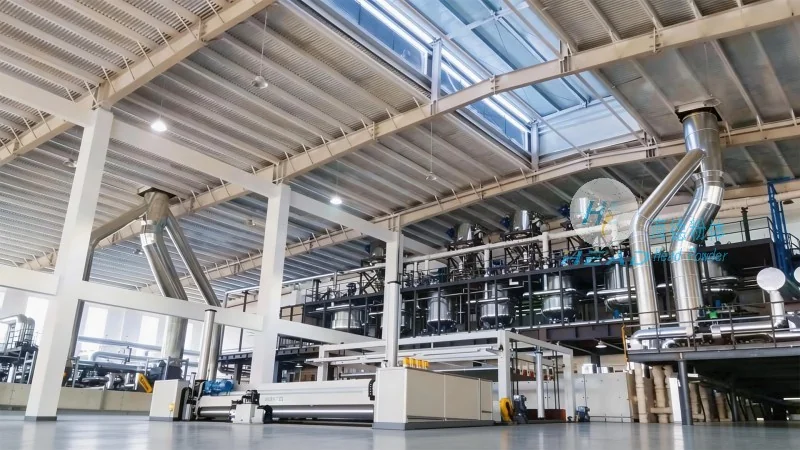
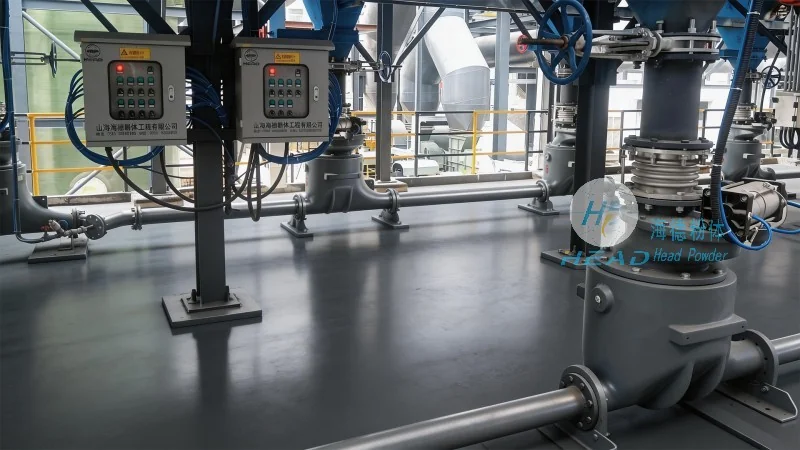
About HeadPowder: A Leading Provider of Pneumatic Conveying Solutions
HeadPowder, formally known as Shandong HeadPowder Engineering Co., Ltd., is a reputable company based in Shandong, China. With a strong focus on engineering excellence and customer satisfaction, HeadPowder specializes in the design, manufacturing, and supply of advanced pneumatic conveying systems tailored to various industrial applications. The company's expertise lies in understanding the unique challenges of handling clay sand and other fine powders, enabling the development of customized solutions that meet specific operational requirements.
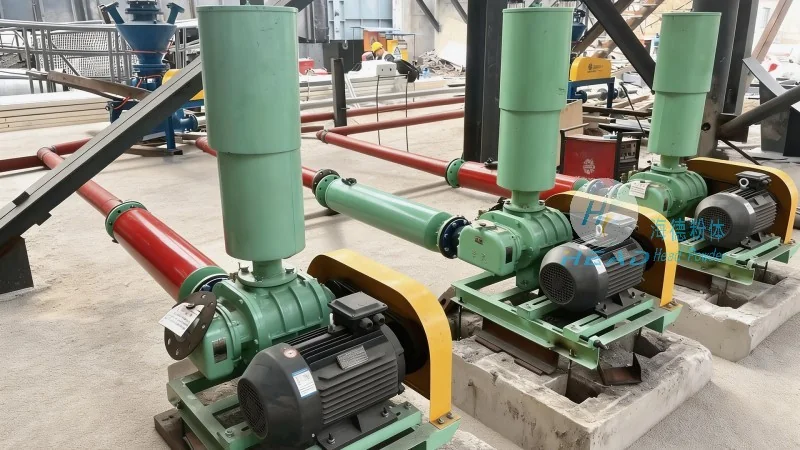
The Working Principle of Clay Sand Powder Pneumatic Conveying Machines
The core of a clay sand powder pneumatic conveying machine is its ability to transport particulate materials using air pressure. The system typically operates under either positive pressure (pressure conveying) or negative pressure (vacuum conveying), depending on the application and material characteristics. In positive pressure systems, air is forced through the conveying line at a high velocity, creating a stream that lifts and propels the clay sand particles. The air flow is controlled by a blower or compressor, which maintains the necessary pressure to overcome friction and gravitational forces. On the other hand, negative pressure systems use a vacuum pump to create a suction effect, drawing the material into the conveying line. Both methods rely on the principle of fluidization, where the air flow causes the powder to behave like a fluid, allowing for smooth and consistent transport. The working principle involves several key components, including a hopper for material storage, a feeder to control the flow rate, a blower or vacuum pump for air supply, and a conveying line with appropriate fittings and valves. The hopper ensures a constant supply of clay sand, while the feeder regulates the amount of material entering the system, preventing overloading or underloading. The blower or vacuum pump generates the necessary air pressure or suction, which is then directed into the conveying line. The material is introduced into the line either by gravity or by a mechanical feeder, and the air flow carries it through the line to the discharge point. The design of the conveying line, including bends, expansions, and filters, is critical to maintaining the efficiency and reliability of the system. Properly sized and positioned components ensure minimal pressure drop and consistent material transport, even over long distances or through complex routes.
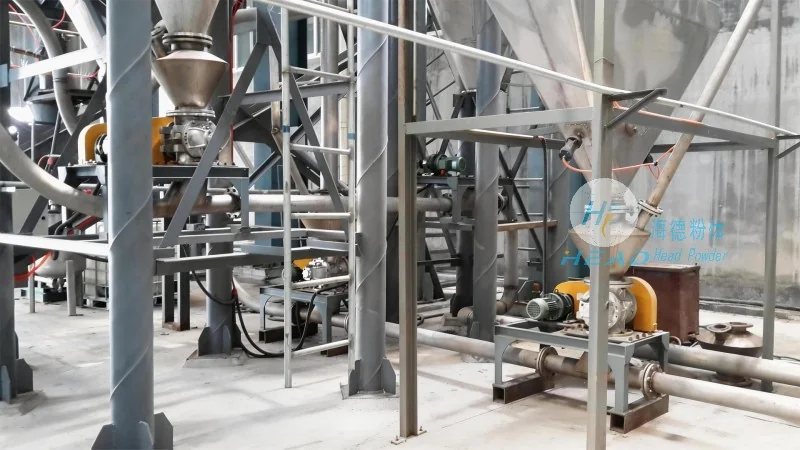
Key Working Scene Characteristics and Applications
Clay sand powder pneumatic conveying machines are widely used in various industrial sectors due to their adaptability and efficiency. The working scene characteristics of these systems include high transport capacity, minimal material degradation, and the ability to handle long-distance or complex route transport. In foundries, for example, these machines are crucial for transporting clay sand used in sand molding processes, ensuring consistent quality and reducing manual handling risks. In construction material production, they facilitate the movement of raw clay sand to processing facilities, optimizing production lines and improving overall operational efficiency. Additionally, the systems are suitable for applications where dust control is critical, as the enclosed conveying lines prevent dust emissions and maintain a clean working environment. The flexibility of pneumatic conveying also allows for integration with other processing equipment, such as mixers and dryers, creating a seamless material handling workflow. For instance, in the foundry industry, clay sand is used as a binder in sand molds, and pneumatic conveying systems enable the precise delivery of this material to molding machines. This reduces the risk of contamination and ensures uniform sand quality, which is vital for producing high-quality castings. In the construction materials sector, such as brick and tile production, clay sand is a key raw material, and efficient transport is essential for maintaining production rates. The systems can handle large volumes of material, often in continuous operation, which helps to streamline production processes and reduce downtime. Furthermore, the ability to transport materials in an enclosed system minimizes dust exposure for workers, contributing to a safer working environment. The adaptability of pneumatic conveying also allows for integration with other equipment, such as mixers and dryers, enabling a complete material processing line. This integration improves overall efficiency and reduces the need for manual handling, which can be labor-intensive and prone to errors.




