Graphite is a widely used material in various industrial applications due to its excellent electrical conductivity, thermal stability, and lubricating properties. When processed into crushed powder form, it often requires efficient and reliable transport methods to move it from one location to another within a production facility or between different processing stages. Pneumatic conveying systems have emerged as a preferred solution for handling graphite crushed powder, offering advantages such as dust-free operation, low maintenance, and the ability to transport materials over relatively long distances without the need for complex infrastructure. This technology is particularly relevant for companies like Shandong HeadPowder Engineering Co., Ltd., which specializes in the engineering and manufacturing of such systems tailored to the needs of the graphite processing industry.
Introduction to Pneumatic Conveying Systems for Graphite Powder
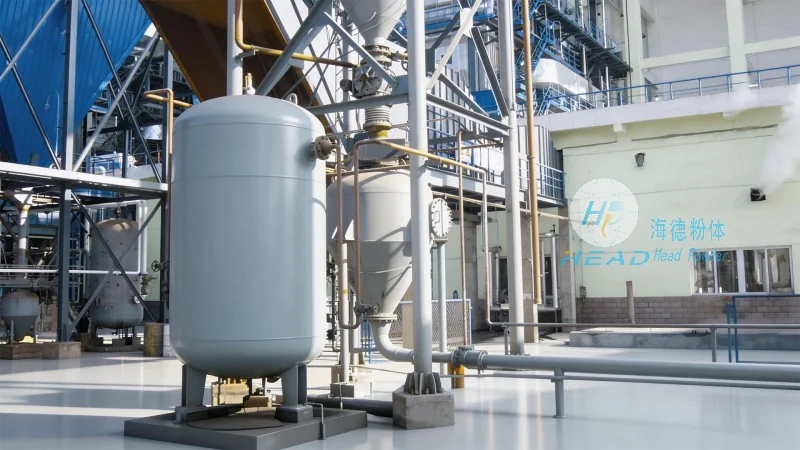
Pneumatic conveying, also known as air conveying, is a method of transporting bulk materials through a pipeline using a flow of air or gas. In the context of graphite crushed powder, this technology is particularly effective because graphite particles are often fine and can be prone to dust generation if handled improperly. The system typically consists of a hopper to store the material, a blower or compressor to generate the air flow, and a pipeline network that transports the material to the destination. The design of the system is tailored to the specific characteristics of the graphite powder, including particle size, density, and moisture content, to ensure optimal performance.
Key Components of a Graphite Powder Pneumatic Conveying System
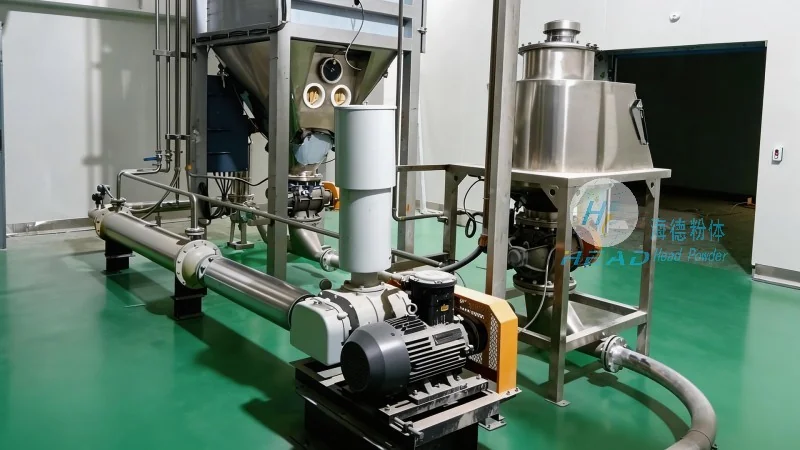
The core components of a pneumatic conveying system for graphite crushed powder include the material feed hopper, the air supply unit (such as a rotary lobe blower or centrifugal fan), the conveying pipeline, and the discharge device. The hopper is designed to hold a sufficient quantity of graphite powder and features a feeding mechanism that controls the flow rate into the pipeline. The air supply unit generates the necessary pressure and airflow to move the powder through the system. The pipeline is usually made of materials resistant to corrosion and abrasion, such as stainless steel or special plastic composites, to withstand the abrasive nature of graphite particles. The discharge device, often a rotary valve or a venturi, regulates the release of the material at the destination point, ensuring a controlled and consistent flow.
Working Principle of Pneumatic Conveying for Graphite Powder
The working principle of a pneumatic conveying system for graphite crushed powder involves creating a pressure differential between the inlet and outlet of the pipeline. The blower or compressor introduces air into the system, creating a high-pressure environment at the inlet. As the air flows through the pipeline, it entrains the graphite powder particles, forming a slurry-like mixture known as a "pneumatic stream." The velocity of the air is carefully controlled to ensure that the particles are carried along without settling or clogging the pipeline. The system can operate in either positive pressure or negative pressure (vacuum) modes, depending on the application requirements. Positive pressure systems are commonly used for long-distance transport and multiple branch lines, while vacuum systems are suitable for short-distance or material recovery applications.
Advantages of Using Pneumatic Conveying for Graphite Powder Handling
There are several key advantages to employing pneumatic conveying systems for the transport of graphite crushed powder. First, the system provides a dust-free environment, which is crucial for maintaining workplace safety and compliance with environmental regulations. Unlike traditional methods such as bucket elevators or belt conveyors, pneumatic systems do not generate significant dust clouds, reducing the risk of respiratory issues for workers and minimizing the need for dust control measures. Second, the system offers low maintenance requirements. The components are designed to handle abrasive materials, and the lack of moving parts in the pipeline reduces wear and tear. This results in lower operational costs and longer service life compared to other conveying methods. Third, pneumatic conveying allows for flexible and scalable system designs. The pipeline can be easily extended or reconfigured to accommodate changes in production volume or layout, making it suitable for both small-scale and large-scale operations. Additionally, the system can transport graphite powder to multiple destinations from a single source, improving operational efficiency and reducing material handling time.
Typical Working Scenes and Applications
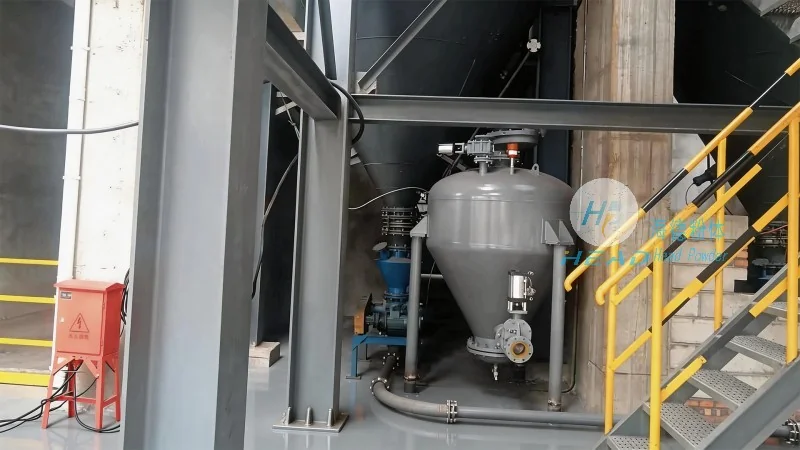
Pneumatic conveying systems for graphite crushed powder are commonly used in various industrial settings. One typical application is in the graphite manufacturing industry, where the powder is transported from grinding and milling operations to mixing and compounding stages. The system ensures that the fine graphite particles are moved without loss or contamination, maintaining the quality of the final product. Another application is in the battery manufacturing sector, where graphite powder is used as an anode material. The pneumatic system efficiently transports the powder from storage to the production line, where it is mixed with other components to form the electrode. Additionally, in the foundry industry, graphite powder is used as a refractory material or a lubricant. The system can transport the powder to the casting or molding areas, ensuring a consistent supply of material for the production process. In all these scenarios, the pneumatic conveying system provides a reliable and efficient means of handling the graphite powder, contributing to overall production efficiency and product quality.
Considerations for Design and Implementation
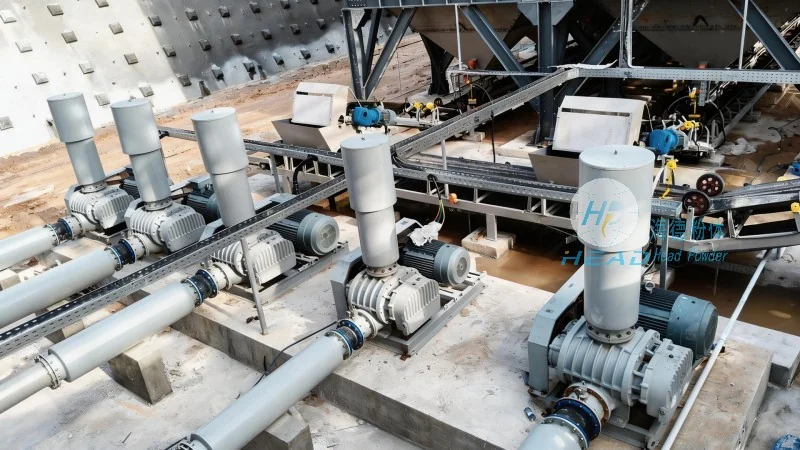
When designing and implementing a pneumatic conveying system for graphite crushed powder, several factors must be considered to ensure optimal performance and longevity. First, the particle size distribution of the graphite powder is critical. Fine particles may require higher air velocities to prevent settling, while larger particles may need lower velocities to avoid excessive wear on the pipeline and components. The system designer must carefully select the blower or compressor capacity based on the material's density and flow rate requirements. Second, the system must be designed to handle the abrasive nature of graphite particles. Materials such as stainless steel or high-grade plastic composites are recommended for the pipeline and components to minimize wear and extend the system's lifespan. Third, the system should incorporate proper dust control measures, such as filters and cyclones, to prevent dust accumulation and maintain air quality. Additionally, the system should include monitoring and control features to adjust the airflow and pressure as needed, ensuring consistent operation under varying production conditions.
Conclusion
Pneumatic conveying systems represent an advanced and efficient solution for handling graphite crushed powder in various industrial applications. By leveraging the principles of air flow and particle entrainment, these systems provide a dust-free, low-maintenance, and flexible method of transporting fine materials. The key to successful implementation lies in careful system design, considering the specific characteristics of the graphite powder and the operational requirements of the application. As industries continue to rely on graphite for its unique properties, the use of pneumatic conveying systems will likely become even more prevalent, ensuring reliable and efficient material transport in production processes.




