For industrial applications involving the handling of nickel sulfate powder, the selection of an efficient and reliable conveying system is crucial. A pneumatic conveying machine, specifically designed for this purpose, offers a solution that ensures safe, clean, and efficient material transport. This article explores the fundamental principles behind such a system and highlights its key working scene characteristics, providing insights into how it operates and where it is most effectively utilized.
The Core Principle of Pneumatic Conveying for Nickel Sulfate Powder
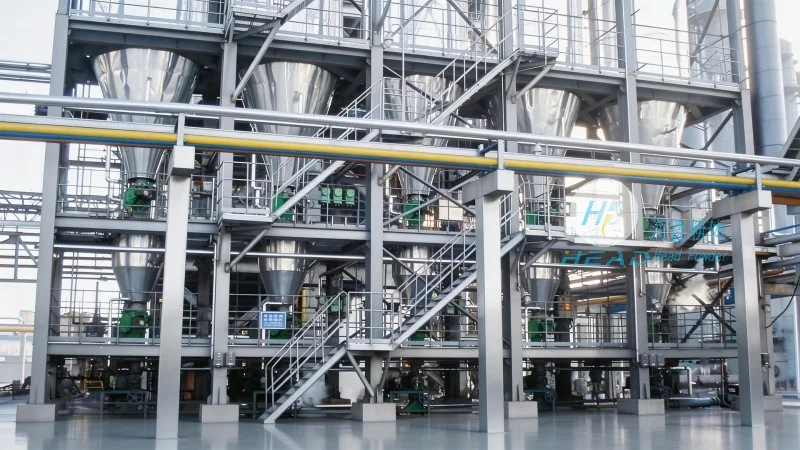
The pneumatic conveying machine operates on the principle of using air or gas to transport solid particles through a pipeline. In the case of nickel sulfate powder, this system typically involves a combination of positive and negative pressure zones to move the material from the source to the destination. The process begins with the powder being fed into a hopper or feeder, where it is then introduced into a pipeline. A fan or blower generates the necessary airflow, creating a pressure differential that propels the powder forward. The design of the system, including the type of air flow (e.g., dilute or dense phase), the pipeline layout, and the use of cyclones or filters for separation, all contribute to the overall efficiency and effectiveness of the conveying operation.
Key Working Scene Characteristics of the System
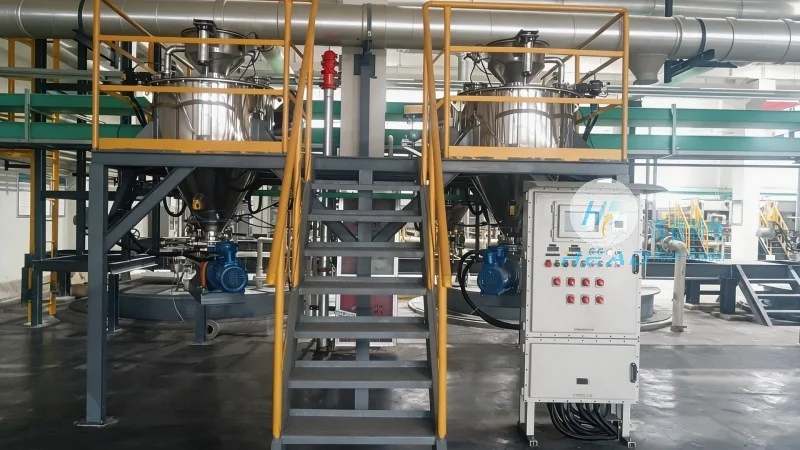
The effectiveness of a nickel sulfate powder pneumatic conveying machine is heavily influenced by its working scene characteristics. These include factors such as the material's physical properties, the distance and layout of the conveying path, and the environmental conditions of the operation. For instance, the system's ability to handle fine or cohesive powders like nickel sulfate is critical, as these materials can be prone to caking or bridging in traditional conveying methods. The design of the machine, with features like adjustable air flow rates and specialized hopper designs, helps mitigate these issues and ensures consistent material flow. Additionally, the system's adaptability to different production environments, whether in a laboratory setting, a small-scale pilot plant, or a large industrial facility, makes it a versatile solution for various applications.
Application Scenarios and Operational Benefits
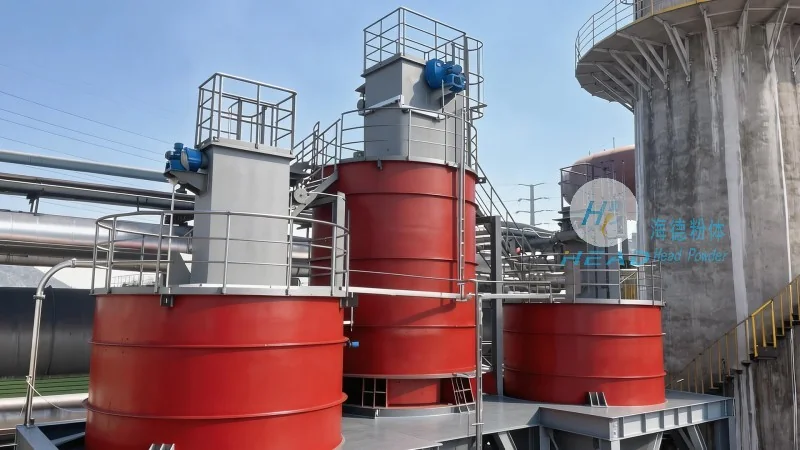
The working scene characteristics of the pneumatic conveying machine make it suitable for a wide range of applications in the chemical and industrial sectors. For example, in the production of nickel sulfate, the system can be used to transport raw materials from storage silos to processing equipment, or to move finished product from the production line to packaging areas. The benefits of using this technology include reduced labor costs, minimized material loss, and improved safety compared to manual handling or traditional belt conveyors. Furthermore, the system's ability to operate in a closed environment helps maintain product purity and prevents contamination, which is essential for high-quality nickel sulfate production.
About Shandong HeadPowder Engineering Co., Ltd.
HeadPowder, a leading manufacturer of specialized conveying equipment, is dedicated to providing innovative solutions for material handling challenges. With a focus on precision engineering and customer-centric design, the company develops and manufactures pneumatic conveying systems tailored to the specific needs of its clients. HeadPowder's products are known for their reliability, efficiency, and durability, making them ideal for demanding industrial applications. The company's headquarters is located in Shandong, China, where it leverages advanced manufacturing capabilities and technical expertise to deliver high-quality equipment to global markets.




