Gypsum, a widely used industrial material, requires efficient and reliable handling solutions to ensure smooth operations in various industrial processes. The equipment designed for transporting gypsum plays a crucial role in optimizing material flow, enhancing productivity, and maintaining operational safety. This article delves into the principles behind gypsum material handling equipment, exploring its working mechanisms and the specific characteristics of its application scenarios.
The Working Principle of Gypsum Material Handling Equipment
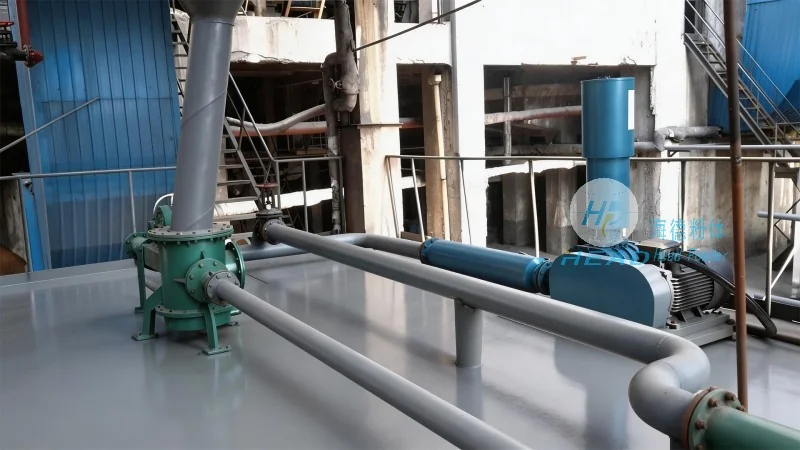
At the core of gypsum material handling equipment is a sophisticated system engineered to handle the unique properties of gypsum. Gypsum, often in the form of powder or granules, demands specialized equipment to prevent caking, blockages, and material degradation during transport. The primary working principle involves the use of mechanical components such as conveyors, feeders, and pumps, which are designed to maintain the material's integrity while ensuring efficient movement.
Conveyors, for instance, are commonly used in gypsum handling systems. These systems may include belt conveyors, screw conveyors, or pneumatic conveyors, each tailored to the specific characteristics of the gypsum being transported. Belt conveyors are ideal for transporting bulk gypsum over short to medium distances, while screw conveyors are effective for vertical or inclined transport, preventing material segregation and ensuring uniform flow. Pneumatic conveyors, on the other hand, utilize air pressure to move gypsum particles through a pipeline, offering a dust-free and flexible solution for handling fine gypsum powders.
Feeding mechanisms are also critical components in gypsum material handling equipment. These systems ensure that the gypsum is fed into the conveyor or processing unit at a consistent rate, preventing overloading or underloading that could lead to equipment damage or material loss. The feeding mechanisms may include rotary valves, vibratory feeders, or screw feeders, each designed to handle the specific flow characteristics of gypsum. For example, rotary valves are commonly used to control the flow of bulk gypsum, while vibratory feeders are effective for handling fine powders, ensuring a uniform and controlled feed rate.
Pumps, particularly in applications involving gypsum slurries or solutions, are essential for transporting the material through pipelines. These pumps are designed to handle the abrasive nature of gypsum and maintain the material's consistency, preventing clogging or wear. The choice of pump type, such as centrifugal or positive displacement pumps, depends on the specific application requirements, including the viscosity of the gypsum slurry and the distance it needs to be transported.
Key Working Scene Characteristics of Gypsum Material Handling Equipment
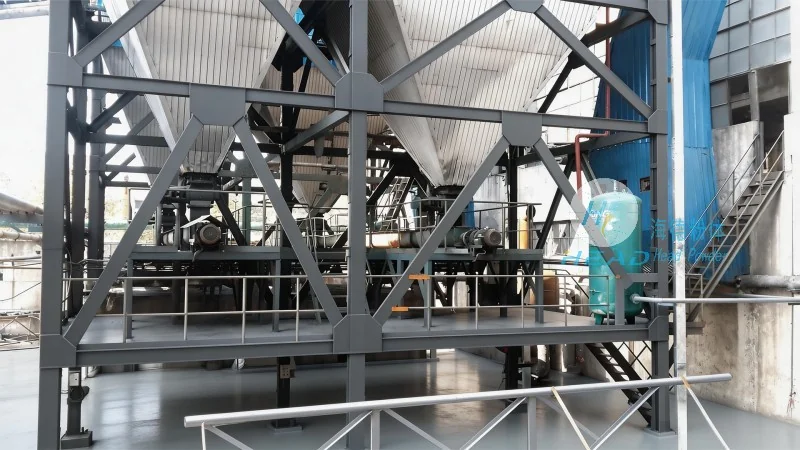
The application scenarios of gypsum material handling equipment vary widely, depending on the industry and the specific process requirements. Understanding these characteristics is vital for selecting the appropriate equipment and optimizing its performance.
One of the primary working scene characteristics is the need for dust control and environmental compliance. Gypsum is a fine powder that can generate significant dust during handling, which poses health and safety risks. Therefore, equipment such as enclosed conveyors, dust collection systems, and sealed feeding mechanisms are essential to minimize dust emissions and ensure a safe working environment. This is particularly important in industries like construction, where gypsum is used in plaster and drywall production, and in industrial applications where dust can affect product quality and worker health.
Another critical characteristic is the requirement for material handling efficiency and throughput. In high-volume industrial operations, the equipment must be capable of handling large quantities of gypsum while maintaining a consistent flow rate. This involves optimizing the conveyor speed, feed rate, and system layout to maximize productivity without compromising material quality. For example, in a gypsum processing plant, the equipment may need to handle several tons of material per hour, requiring a robust and reliable system that can maintain consistent performance over extended periods.
Operational flexibility is also a key characteristic of gypsum material handling equipment. The equipment must be adaptable to different types of gypsum, including different particle sizes, moisture content, and chemical compositions. This flexibility allows the equipment to be used in various applications, from raw material transport to finished product handling. For instance, the same equipment may be used to transport raw gypsum ore from a mine to a processing plant, and then to transport the processed gypsum to a construction site for plaster production.
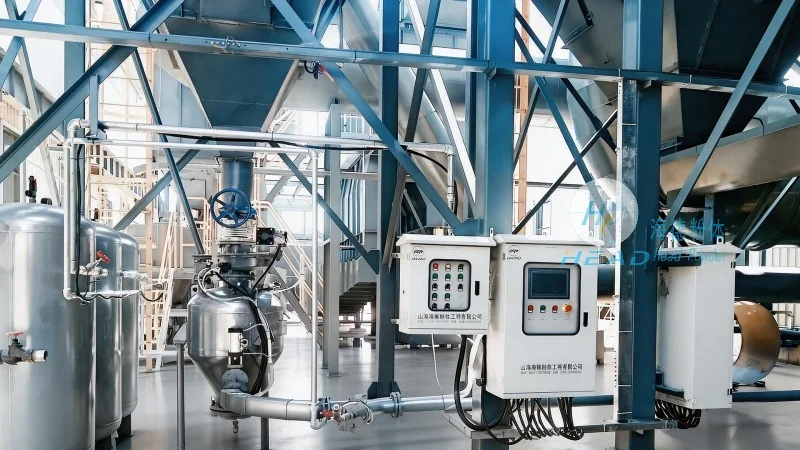
Energy efficiency is another important characteristic, as industrial operations aim to reduce operational costs and environmental impact. Modern gypsum material handling equipment is designed with energy-efficient components, such as variable speed drives, which adjust the motor speed based on the load, reducing energy consumption. Additionally, the use of lightweight materials and optimized system designs helps to minimize energy requirements while maintaining performance.
About Shandong HeadPowder Engineering Co., Ltd.
Shandong HeadPowder Engineering Co., Ltd., commonly known as headpowder, is a leading manufacturer and supplier of gypsum material handling equipment. With a strong commitment to quality and innovation, the company specializes in designing and manufacturing equipment tailored to the unique needs of the gypsum industry. Headpowder's products are engineered to meet the highest standards of performance, reliability, and safety, ensuring that customers receive equipment that enhances their operational efficiency and productivity.
Headpowder's team of experienced engineers and technicians work closely with clients to understand their specific requirements and provide customized solutions. The company's state-of-the-art manufacturing facilities and rigorous quality control processes ensure that each piece of equipment meets the strictest industry standards. Whether it's a standard conveyor system or a customized solution for a specific application, headpowder delivers equipment that is built to last and perform reliably.
Headpowder is committed to providing exceptional customer service and support. The company offers comprehensive after-sales services, including installation, maintenance, and technical support, to ensure that clients can maximize the performance of their equipment and minimize downtime. With a focus on customer satisfaction and long-term partnerships, headpowder has established itself as a trusted partner in the gypsum industry, helping clients achieve their operational goals and improve their bottom line.




