Calcined ash powder conveying is a critical process in industrial operations, particularly in power plants and waste management facilities. This method involves the transport of calcined ash, a byproduct of coal combustion, from its source to storage or treatment sites. The efficiency and reliability of this conveying system directly impact operational costs and environmental compliance. Understanding the underlying principles and the diverse application scenarios is essential for optimizing industrial processes and ensuring sustainable waste management.
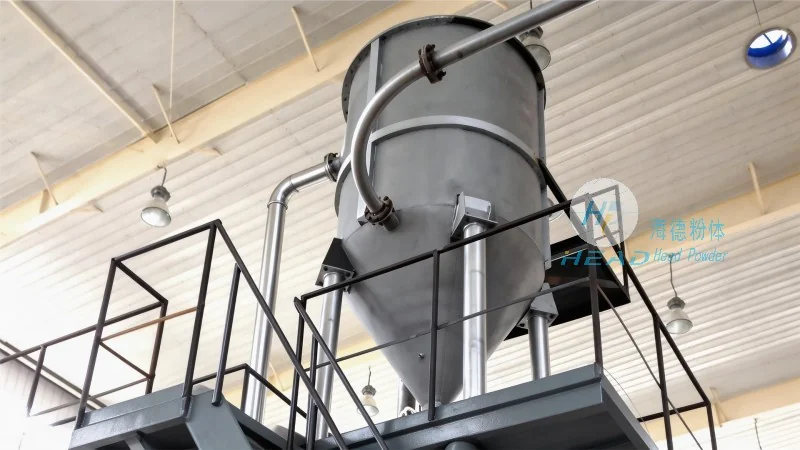
The Core Principles of Calcined Ash Powder Conveying
At the heart of calcined ash powder conveying are two primary mechanisms: pneumatic conveying and mechanical conveying. Pneumatic systems utilize air pressure to move the fine powder through pipelines, while mechanical systems employ screw conveyors, belt conveyors, or bucket elevators. The choice between these methods depends on factors such as the ash's particle size, moisture content, and the distance to be covered. Pneumatic conveying is often preferred for long-distance transport due to its ability to handle fine particles without clogging, whereas mechanical systems are more suitable for short distances or when the ash contains larger aggregates.
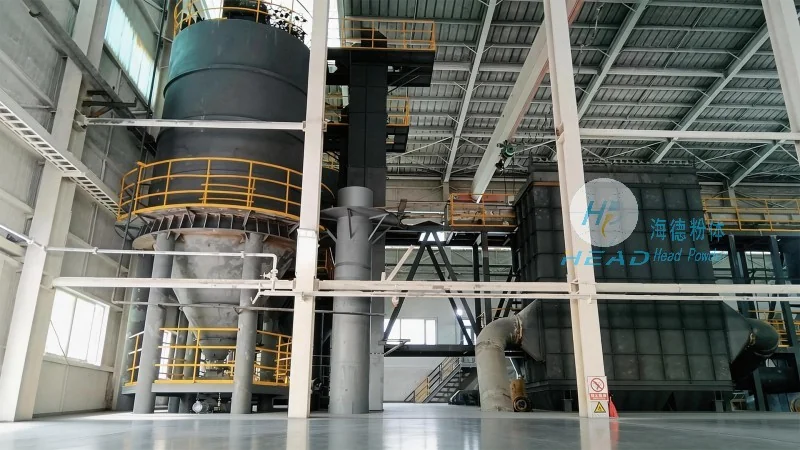
Key Components and Operational Mechanics
The effectiveness of calcined ash powder conveying relies on several key components. A typical system includes a ash collection hopper, a feeder to regulate the flow rate, a conveying line (either ducted for pneumatic or a solid conveyor for mechanical), and a discharge hopper at the destination. In pneumatic systems, a blower or compressor generates the necessary air pressure, while in mechanical systems, a motor drives the conveyor mechanism. The system also incorporates control valves and sensors to monitor pressure, flow rate, and particle concentration, ensuring smooth and safe operation. Proper maintenance of these components is crucial to prevent blockages, which can lead to system downtime and increased maintenance costs.
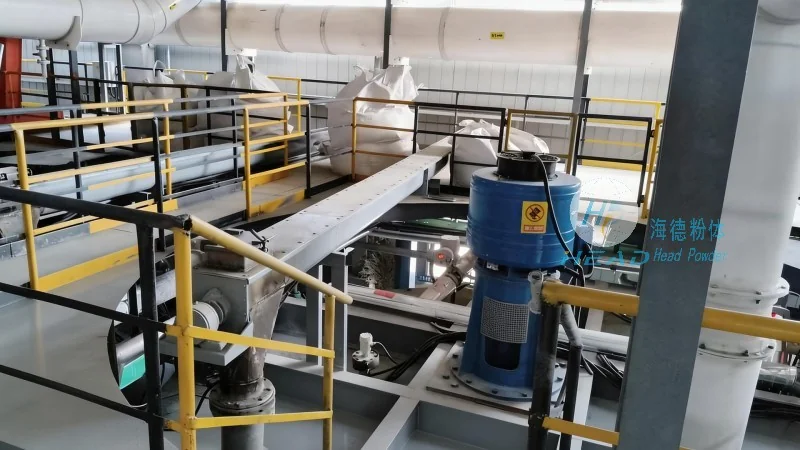
Application Scenarios and Industry Use Cases
The versatility of calcined ash powder conveying makes it applicable across various industries. In power generation, the system is used to transport ash from boiler ash hoppers to storage silos or for further processing, such as recycling into construction materials. In waste-to-energy facilities, the conveying system ensures the efficient handling of ash from incinerators, facilitating its disposal or reuse. Additionally, in cement and concrete production, calcined ash is often used as a supplementary cementitious material, and the conveying system plays a vital role in delivering this material to mixing plants. The adaptability of the system allows it to handle different ash compositions, including those with varying moisture levels and particle sizes, making it a flexible solution for diverse industrial needs.
Advantages and Considerations in Different Work Environments
Calcined ash powder conveying offers several advantages, including high efficiency, low labor requirements, and the ability to handle large volumes of material. However, the system's performance is influenced by the specific work environment. For example, in high-temperature environments, the materials used in the conveying components must be heat-resistant to prevent degradation. In dusty or hazardous environments, proper dust control measures, such as filtration systems and explosion-proof designs, are essential to ensure worker safety and compliance with environmental regulations. The system's design must also account for the ash's chemical properties, as some ash types may be corrosive or reactive, requiring specialized materials for the conveying equipment.
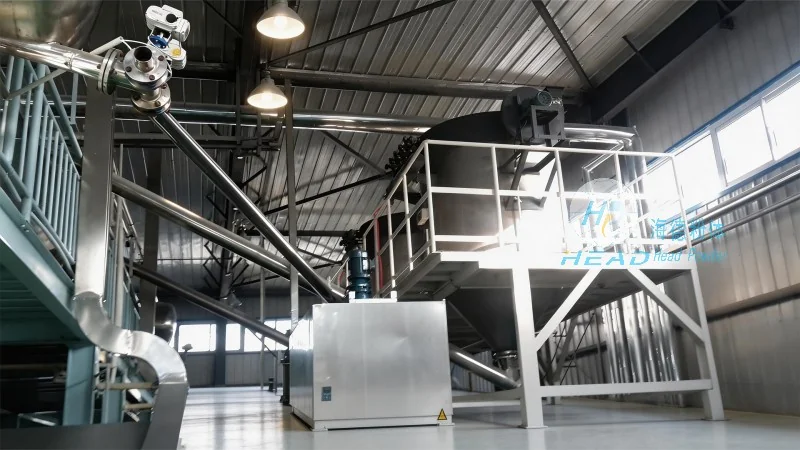
Company Profile: Shandong HeadPowder Engineering Co., Ltd.
Shandong HeadPowder Engineering Co., Ltd., operating under the brand name headpowder, specializes in the design, manufacturing, and installation of calcined ash powder conveying systems. With a focus on innovation and customer-centric solutions, the company has established itself as a leader in the field of industrial material handling. Headpowder's expertise lies in developing customized conveying systems tailored to the unique requirements of each client, ensuring optimal performance and reliability. The company's facilities are located in Shandong, China, where it leverages advanced technology and skilled engineering to deliver high-quality products and services. By combining technical expertise with practical experience, headpowder helps clients enhance their operational efficiency and achieve sustainable waste management goals.




