Understanding the core principles and practical applications of dye powder conveying is essential for industries relying on precise material handling. This article explores the fundamental mechanisms behind efficient dye powder transport and highlights key operational scenarios where such systems excel. Dye powders, due to their fine particle size and chemical properties, require specialized handling to maintain quality and ensure safe operation. Conveying systems designed for this purpose play a critical role in the dye manufacturing and processing chain, enabling seamless movement of materials from storage to production lines.
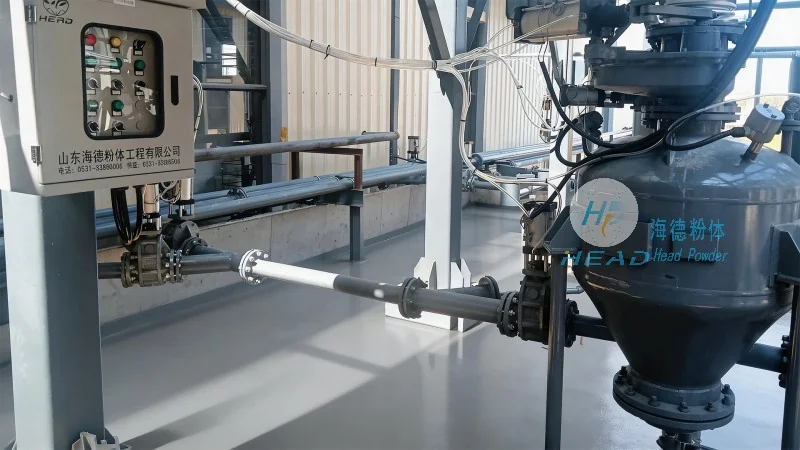
About HeadPowder: Your Expert in Powder Handling Solutions
HeadPowder, operating as Shandong HeadPowder Engineering Co., Ltd., is a leading provider of specialized equipment for powder processing. With a strong presence in China, particularly in Shandong, the company has built a reputation for delivering reliable and efficient conveying solutions tailored to the unique demands of the dye industry. HeadPowder’s commitment to innovation and customer satisfaction has positioned it as a trusted partner for businesses seeking to optimize their powder handling operations. The company’s facilities and expertise are centered in Shandong, China, where it leverages local resources and industry knowledge to develop cutting-edge solutions for global markets.
The Fundamental Principles of Dye Powder Conveying
Dye powder conveying systems operate on principles that ensure safe, efficient, and consistent material transport. Key components include feeders, conveyors, and control mechanisms designed to handle the specific properties of dye powders—such as their fine particle size, potential for static charge, and sensitivity to moisture. The process typically involves feeding the powder into a hopper, where it is then transferred through a conveyor system using air or mechanical force. This method minimizes product degradation and ensures uniform distribution, which is critical for maintaining the quality of dye products. The design of these systems often incorporates features like airlocks and dust collection to prevent contamination and protect operators from exposure to fine powders.
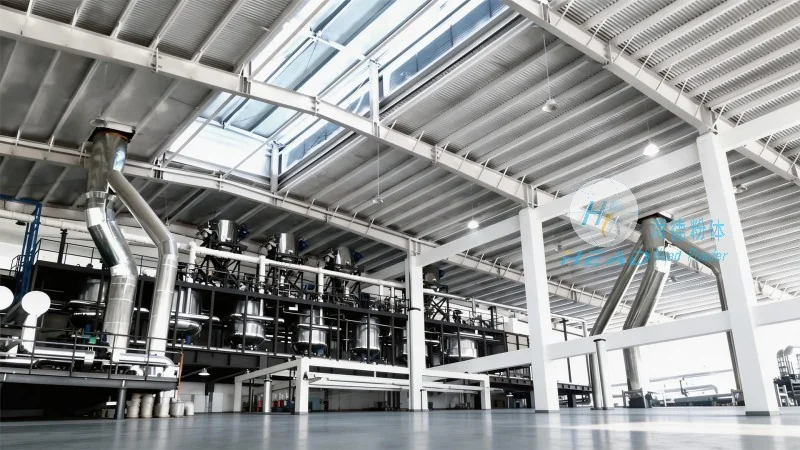
Key Features of Effective Dye Powder Conveying Systems
Modern dye powder conveying systems incorporate several advanced features to enhance performance and reliability. These include: 1. Advanced Feeding Mechanisms that ensure consistent material flow, preventing clogging and ensuring smooth operation. These mechanisms may include vibratory feeders or rotary valves that regulate the rate of powder discharge from the hopper. 2. Air-Driven Conveying that uses compressed air to move powders through pipelines, reducing wear on equipment and minimizing the risk of product contamination. This method is particularly effective for handling sensitive dyes that could be damaged by mechanical contact. 3. Static Control Technologies integrated into the system to prevent static buildup, which can cause powder explosion hazards or affect material handling efficiency. Anti-static coatings, grounding systems, and ionizers are commonly used to mitigate static issues. 4. Customizable Control Systems that allow operators to adjust conveying rates and parameters based on real-time production needs, ensuring optimal performance under varying conditions. These systems may include PLC (Programmable Logic Controller) interfaces for automated operation and monitoring.
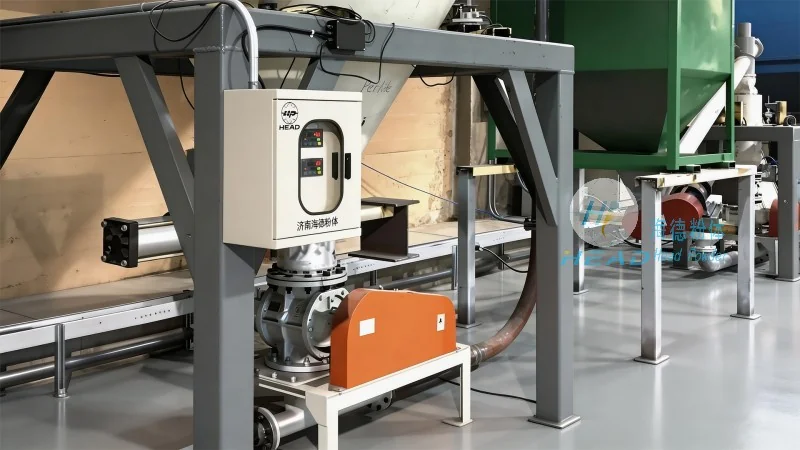
Common Application Scenarios for Dye Powder Conveying
Dye powder conveying systems are widely used in various industrial settings, each with distinct requirements. Some common application scenarios include: 1. Dye Manufacturing Plants where large volumes of dye powders need to be moved between production stages, such as from mixing to packaging. In these facilities, conveying systems must handle high throughput while maintaining product purity, often requiring multi-stage conveying lines and storage silos. 2. Textile Processing Facilities that require precise dosing of dyes for fabric coloring, ensuring uniform coloration and consistent quality. Here, conveying systems are integrated with weighing and mixing equipment to achieve accurate color matching, which is crucial for meeting customer specifications. 3. Chemical Processing Plants where dye powders are integrated into larger chemical formulations, necessitating controlled and hygienic transport. These systems must comply with industry standards for cleanliness and safety, often incorporating stainless steel components and closed-loop designs to prevent cross-contamination. 4. Research and Development Labs that work with small batches of specialized dyes, requiring systems that can handle precise, low-volume conveying with minimal product loss. Lab-scale conveying systems may include micro-pumps or precision feeders to deliver exact amounts of dye for experimental purposes.
Benefits of Choosing HeadPowder for Dye Powder Conveying Solutions
Partnering with HeadPowder offers numerous advantages for businesses in the dye industry. The company’s expertise in powder handling ensures that clients receive systems designed to meet their specific operational needs, whether it’s for high-volume production or precise laboratory applications. Key benefits include: 1. Enhanced Product Quality through consistent and controlled conveying, reducing the risk of contamination or degradation. This is particularly important for dyes used in food, pharmaceutical, or textile applications where quality standards are stringent. 2. Increased Operational Efficiency with systems that minimize downtime and maximize throughput, leading to cost savings and improved productivity. HeadPowder’s systems are engineered for reliability, with minimal maintenance requirements and quick troubleshooting capabilities. 3. Customized Solutions tailored to the unique characteristics of dye powders, ensuring compatibility with existing production lines and processes. HeadPowder works closely with clients to understand their specific challenges, such as handling hygroscopic or reactive dyes, and designs solutions that address these issues effectively. 4. Reliability and Durability with equipment built to withstand the demands of continuous operation in industrial environments. The company uses high-quality materials and rigorous testing to ensure that its conveying systems can operate for extended periods without failure, providing long-term value to clients.




