Zircon sand, a vital raw material in industries like ceramics, glass, and refractory production, demands efficient and reliable handling to support optimal processing. Pneumatic conveying equipment provides a solution for transporting zircon sand with precision and minimal loss. This article delves into the fundamental principles of zircon sand pneumatic conveying systems and highlights the key characteristics of their operational scenarios, presented by Shandong HeadPowder Engineering Co., Ltd., a leading provider in the field.
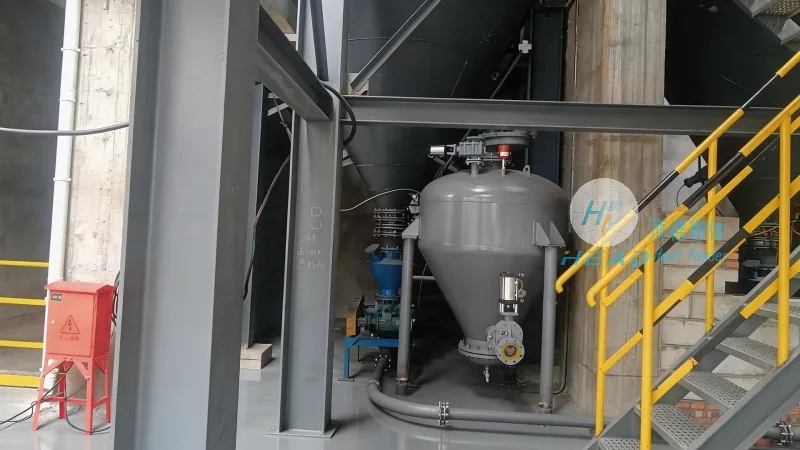
The Core Principle of Pneumatic Conveying for Zircon Sand
Pneumatic conveying leverages air or gas to transport solid materials such as zircon sand through a pipeline network. The process typically employs either positive pressure (pressure pneumatic conveying) or negative pressure (vacuum pneumatic conveying). In positive pressure systems, compressed air is introduced at the material inlet, creating a pressure differential that propels sand particles along the pipeline. Negative pressure systems utilize a vacuum at the discharge end to draw material into the pipeline. The selection between these methods depends on factors like transport distance, material volume, and system complexity. For zircon sand, which is often fine and abrasive, the conveying system design must account for particle size, density, and flow characteristics to prevent blockages and ensure consistent performance.
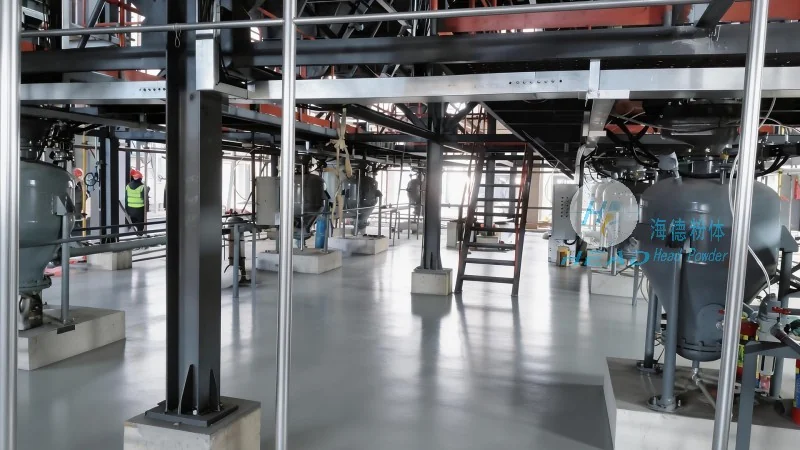
Key Working Scene Characteristics
The working scene characteristics of zircon sand pneumatic conveying equipment are tailored to meet the demands of diverse industrial applications. In ceramic production, for example, the equipment transports zircon sand from storage silos to mixing and processing lines. The system must handle high volumes of fine particles while maintaining low dust emissions, as zircon sand is often used in high-purity applications. In glass manufacturing, the conveying process integrates with raw material preparation, ensuring a uniform feed of zircon sand to the furnace. The working environment in these scenarios often involves high temperatures and abrasive conditions, requiring durable construction materials like stainless steel or specialized alloys to withstand wear and corrosion.
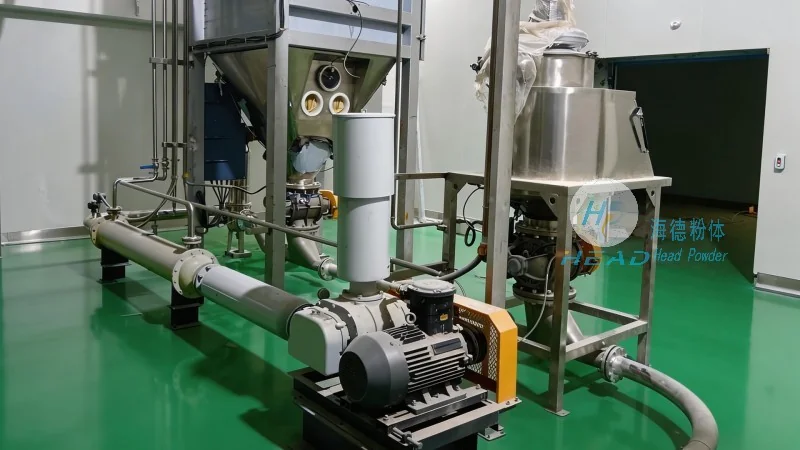
Efficiency and Safety in Operational Scenarios
Efficiency is a critical characteristic in the operational scenarios of zircon sand pneumatic conveying equipment. The systems are engineered to minimize downtime and maximize throughput, with automatic control systems adjusting air pressure and flow rates based on material conditions. This adaptability ensures consistent performance even with varying zircon sand qualities. Safety is equally paramount, as the equipment operates under pressure or vacuum, and potential hazards like dust explosions or material blockages must be mitigated. HeadPowder's zircon sand pneumatic conveying systems incorporate safety features such as pressure relief valves, dust collection systems, and monitoring sensors to ensure safe operation in industrial settings.
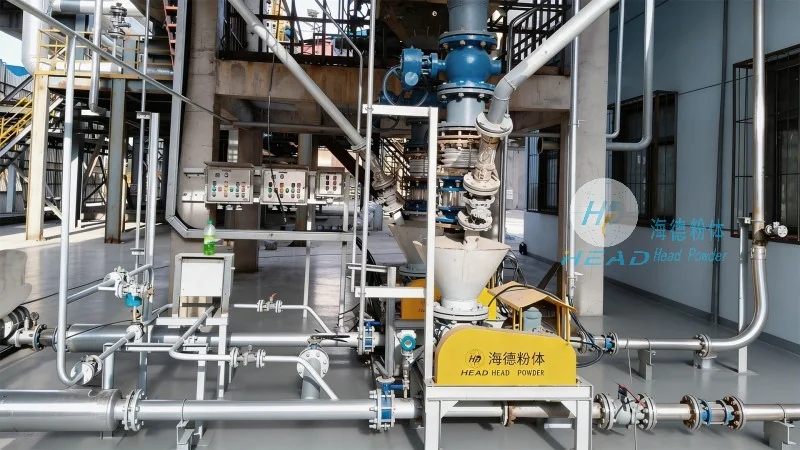
Customization and Application Flexibility
Another key characteristic is the customization and flexibility of zircon sand pneumatic conveying equipment to suit diverse operational needs. HeadPowder, headquartered in Shandong, China, offers tailored solutions adaptable to specific plant layouts, material handling requirements, and production scales. Whether for small-scale laboratory use or large-scale industrial production, the equipment can be configured with components like rotary valves, cyclone separators, and dust filters to optimize performance. The working scenarios may range from batch processing to continuous production, and the equipment is designed to handle both. This flexibility allows industries to integrate the conveying system seamlessly into existing workflows, enhancing overall operational efficiency.




