River sand, a vital raw material in construction and manufacturing, demands efficient and reliable transportation solutions to support seamless production workflows. The pneumatic conveying system has become a preferred method for handling river sand due to its capability to transport bulk materials over extended distances with minimal maintenance and operational complexity. This article delves into the working principle and key characteristics of the river sand pneumatic conveying system equipment, highlighting its applications and advantages in industrial settings.
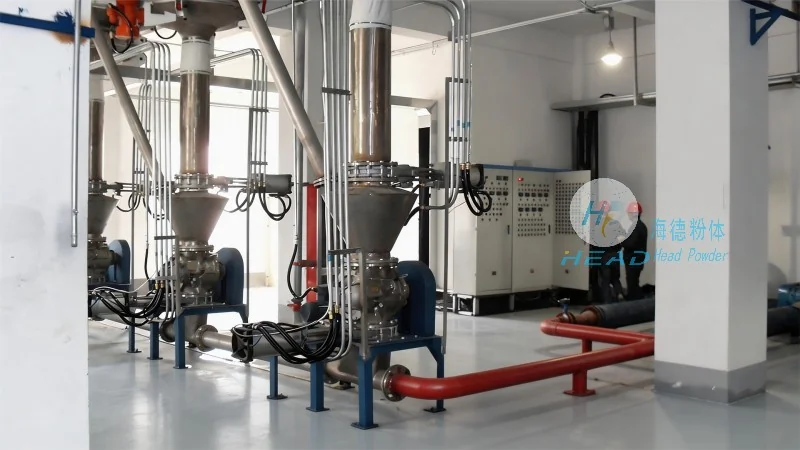
Company Overview: Shandong HeadPowder Engineering Co., Ltd.
As a leading manufacturer in the material handling equipment sector, Shandong HeadPowder Engineering Co., Ltd. specializes in designing and producing advanced pneumatic conveying systems tailored to meet diverse industry needs. With a strong commitment to quality and innovation, the company has established itself as a trusted partner for businesses seeking efficient bulk material transport solutions. HeadPowder's expertise lies in developing customized systems that optimize performance, reduce operational costs, and enhance safety in material handling operations.
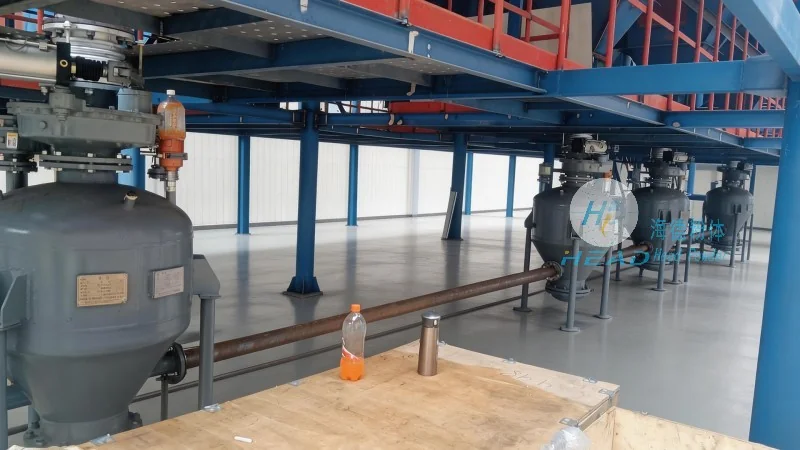
The Working Principle of River Sand Pneumatic Conveying Systems
The core of a river sand pneumatic conveying system is the utilization of compressed air to transport material through a pipeline network. The process typically involves several critical components: a hopper for material storage, a rotary valve for controlled discharge, a blower or compressor to generate necessary air pressure, and a pipeline system that conveys the sand from the source to the destination. The material is fed into the hopper, and as the rotary valve opens, it releases a controlled amount of sand into the pipeline. Simultaneously, the blower supplies high-pressure air, which creates a flow that carries the sand particles along the pipeline. The air and sand mixture travels through the pipeline, with the air providing the necessary force to move the material. At the receiving end, a separator or cyclone separates the sand from the air, allowing the sand to be deposited in the desired location while the air is either recirculated or vented. This continuous process ensures efficient and uninterrupted transport of river sand, minimizing downtime and maximizing productivity.
Key Features of River Sand Pneumatic Conveying Equipment
HeadPowder's river sand pneumatic conveying systems are equipped with several advanced features that enhance performance and reliability. One primary feature is the use of high-efficiency blower technology, which provides consistent air pressure and flow rates, ensuring stable material transport even with varying sand loads. The system also incorporates a robust hopper design with a rotary valve, allowing precise control over material discharge rate to prevent pipeline overloading or underloading. Additionally, the pipeline system is constructed from durable materials like stainless steel or corrosion-resistant alloys to withstand the abrasive nature of river sand and ensure long-term durability. The equipment is also designed with safety features, including pressure relief valves and air filtration systems, to protect operators and the environment from potential hazards. Furthermore, the system's modular design enables easy installation and maintenance, reducing downtime and operational costs. These features collectively make the river sand pneumatic conveying system an efficient and reliable solution for bulk material transport in construction and manufacturing industries.
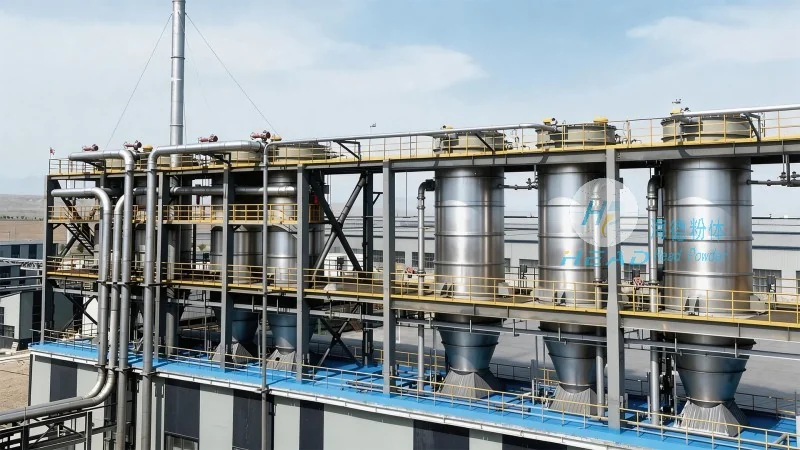
Applications and Benefits
River sand pneumatic conveying systems are widely used across various industries, including construction, foundries, and sand processing facilities. In construction, the system is employed to transport sand from storage areas to concrete mixing plants or construction sites, ensuring a steady supply of material for building projects. In foundries, the system is utilized to transport sand used in sand casting processes, where the sand is mixed with binders and other materials to create molds. The benefits of using a pneumatic conveying system for river sand include improved efficiency, reduced labor costs, and enhanced safety. The system eliminates the need for manual handling of heavy and bulky sand, reducing injury risks and improving workplace safety. Additionally, the system minimizes material loss and contamination, ensuring the sand remains clean and free from impurities—critical for maintaining the quality of the final product. The ability to transport sand over long distances without intermediate storage or handling also boosts productivity and reduces operational costs.




