

Working Principle and Characteristics of Protein Powder Pneumatic Conveying
Protein powder, a vital component in the food and supplement sectors, demands efficient and safe transportation methods to preserve its quality and operational efficiency. Pneumatic conveying systems have become a preferred solution for handling protein powders due to their ability to transport materials in a dust-free environment while minimizing product degradation. This article examines the working principle and key characteristics of protein powder pneumatic conveying, highlighting technological advancements and practical applications in industrial settings.
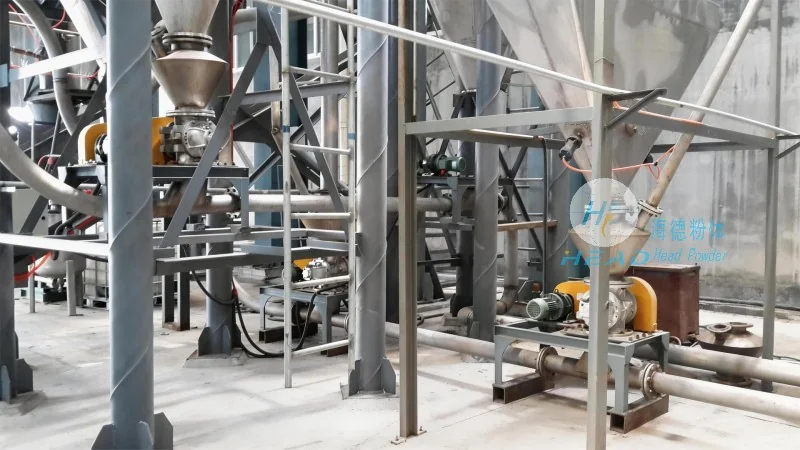
Understanding the Working Principle of Protein Powder Pneumatic Conveying
Pneumatic conveying utilizes air or gas movement to transport solid particles, such as protein powders, through a pipeline system. The process involves fundamental steps to ensure effective material transfer. Initially, the protein powder is introduced into the system via a hopper or feeder, where it is mixed with the conveying medium—typically air or a combination of gases. The conveying medium is then pressurized or accelerated to create a flow that propels the powder particles through the pipeline. This movement can be achieved through pressure or suction methods, each with distinct advantages based on application needs.
In pressure pneumatic conveying, the conveying medium is pressurized at the inlet, drawing the powder into the pipeline. This method is effective for short to medium-distance transfers and is commonly used when transporting powder from a central storage area to processing units. The pressurized air creates a positive pressure environment, ensuring efficient movement without clogging or degradation. Conversely, suction pneumatic conveying uses a vacuum at the outlet to draw the powder and medium into the system. This approach is ideal for long-distance or vertical transportation, as the vacuum maintains flow and prevents material accumulation at higher elevations. Both methods are designed to handle the delicate nature of protein powders, which are prone to clumping or degradation from excessive friction or temperature changes.
Key Characteristics of Protein Powder Pneumatic Conveying Systems
The characteristics of pneumatic conveying systems for protein powders are tailored to address handling challenges. One critical feature is maintaining a dust-free environment. Unlike mechanical conveying, which generates significant dust and particulate matter, pneumatic systems keep the powder contained within the pipeline, reducing contamination risk and improving workplace safety. This is vital in food processing facilities where regulatory compliance and product purity are paramount.
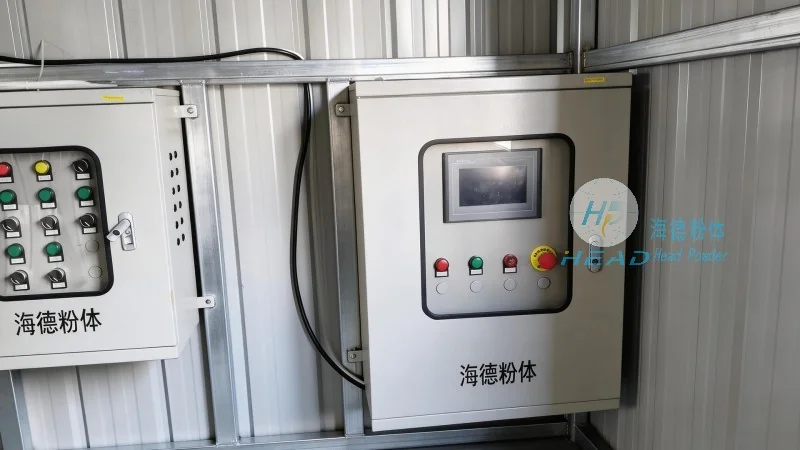
Another key characteristic is preserving product quality. Pneumatic conveying minimizes physical stress on powder particles, reducing agglomeration or breakage. The smooth, enclosed pipeline design ensures minimal friction, maintaining original texture and nutritional properties. This is crucial for protein powders, as degradation impacts supplement or food ingredient effectiveness. Additionally, the system’s versatility in handling varying particle sizes and flow rates supports different production scales, from small laboratory setups to large industrial operations.
Operational flexibility is another advantage. The systems can be configured for diverse transfer distances—horizontal, vertical, or long runs—and integrated with processing equipment like mixers or packaging machines. This adaptability optimizes production lines based on workflow needs. Furthermore, the systems are easy to clean and maintain, essential for hygiene standards in food and supplement industries. The enclosed pipeline prevents cross-contamination and simplifies cleaning, reducing downtime and costs.
Applications and Benefits in Industrial Settings
Protein powder pneumatic conveying systems are widely used in food, beverage, pharmaceutical, and supplement sectors. In food processing, they transport powders from storage to production lines, ensuring continuous raw material supply. This is especially beneficial in large plants with multiple production lines requiring different protein types (e.g., whey, soy, casein). The ability to handle diverse powders without cross-contamination maintains product integrity and reduces quality risks.
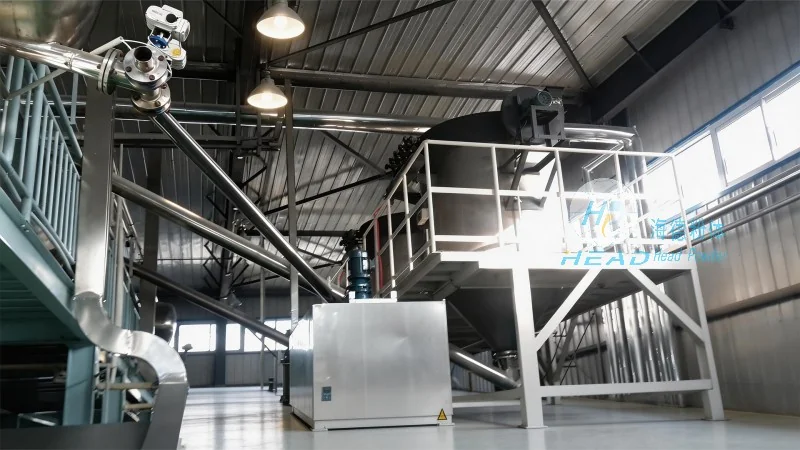
In the supplement industry, these systems move powders to blending and packaging units. The dust-free, hygienic design is critical for meeting consumer product standards and regulatory requirements. Efficiency also reduces labor costs and improves throughput, making it a cost-effective solution for manufacturers.
Environmental benefits further drive adoption. By eliminating mechanical components (e.g., conveyor belts) that generate dust and require frequent maintenance, pneumatic systems lower operational costs and environmental impact. The enclosed pipeline minimizes powder release, improving air quality and workplace safety—especially important in regions with strict environmental regulations.
Conclusion and Industry Implications
Protein powder pneumatic conveying systems represent a sophisticated solution for handling delicate materials in industrial settings. The working principle—air/gas movement through a pipeline—offers advantages like dust-free operation, quality preservation, and flexibility. These features make the system ideal for food, supplement, and pharmaceutical industries where product integrity and compliance are critical. As technology advances, further efficiency and sustainability improvements will enhance the role of pneumatic conveying in future industrial operations.