

Principles and Characteristics of White Sugar Pneumatic Conveying
Principles and Characteristics of White Sugar Pneumatic Conveying
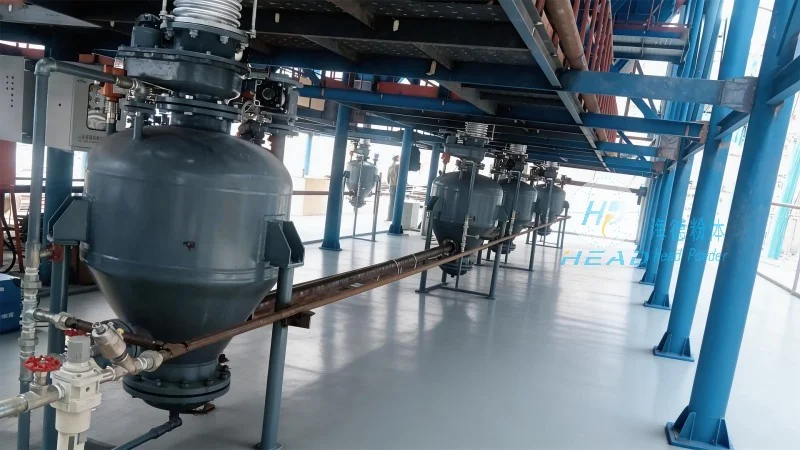
Introduction to Pneumatic Conveying for White Sugar
Pneumatic conveying is a critical technology in the sugar processing industry, enabling the efficient and safe transportation of white sugar from storage silos to processing lines or packaging areas. This method utilizes air as the conveying medium, creating a pressure differential that moves the granular material through a pipeline system. For white sugar, which is a fine, dry granular product, pneumatic conveying offers unique benefits in terms of hygiene, speed, and operational flexibility.
Working Principle of White Sugar Pneumatic Conveying
The core principle of pneumatic conveying for white sugar involves creating a flow of air within a closed pipeline system. The process typically starts with the sugar being fed into a hopper or silo, where it is then drawn into a conveying line by a vacuum or pressure source. The air, often mixed with the sugar, is then accelerated to a velocity sufficient to overcome the gravitational and frictional forces acting on the sugar particles. This creates a suspension of sugar in air, which travels through the pipeline to the destination point. At the receiving end, the air is separated from the sugar, often using a cyclone separator or a filter, and the sugar is collected in a container or directly into the next processing stage.
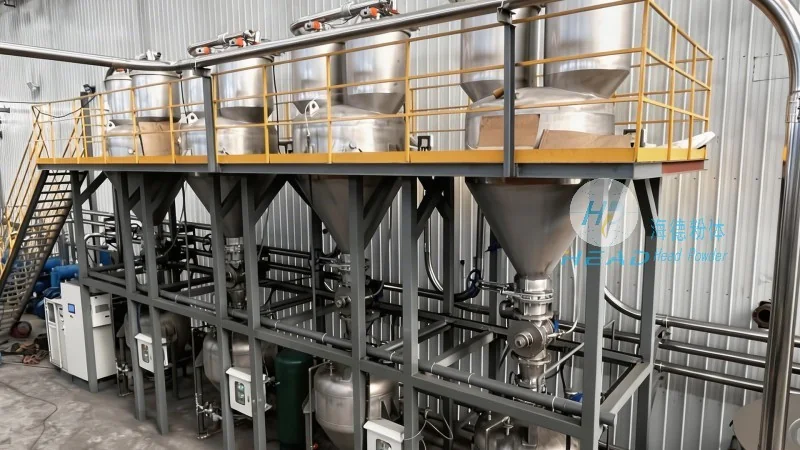
Key Components in the System
Several key components are essential for a functional white sugar pneumatic conveying system. These include:
- Feed Hopper: A storage vessel that holds the white sugar, equipped with a feeder to control the flow rate.
- Conveying Line: The pipeline through which the sugar and air travel, typically made of materials resistant to sugar corrosion and contamination, such as stainless steel or special plastics.
- Air Supply Unit: This can be either a vacuum pump (for suction conveying) or a blower (for pressure conveying), which generates the necessary air flow.
- Dust Collector or Filter: Essential for maintaining air quality and preventing sugar dust from escaping into the environment, as well as for cleaning the air before it is discharged.
- Separation Equipment: Devices like cyclone separators or bag filters that separate the sugar from the air at the end of the conveying line.
- Control System: A system that monitors and regulates the flow rate, pressure, and air volume to ensure optimal operation and prevent blockages or overloading.
Advantages of Pneumatic Conveying for White Sugar
Pneumatic conveying offers several advantages when applied to white sugar transportation:
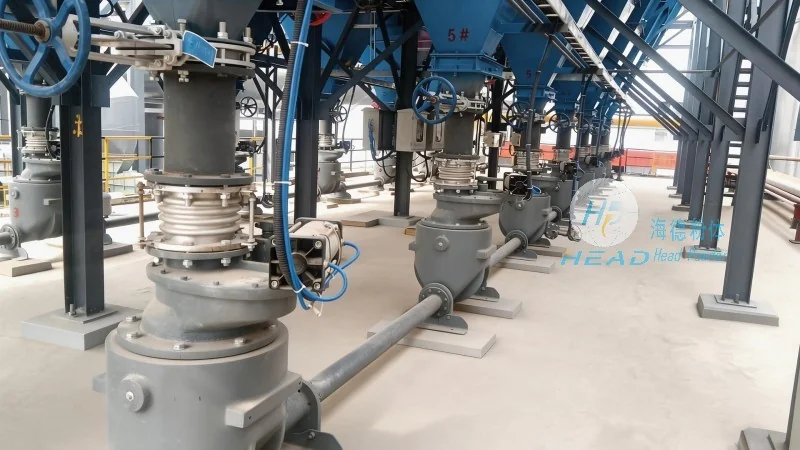
- Hygienic and Clean Operation: The enclosed pipeline system prevents contamination from external sources and minimizes dust exposure, which is crucial for food-grade products like white sugar.
- High Efficiency and Speed: The system can transport large volumes of sugar quickly, reducing downtime and increasing overall production throughput.
- Space Efficiency: Unlike traditional bucket elevators or belt conveyors, pneumatic systems require less floor space, making them suitable for facilities with limited area.
- Reduced Labor Costs: Automated feeding and conveying reduce the need for manual handling, lowering labor costs and improving safety.
- Flexibility in Layout: The system can be easily reconfigured or extended to accommodate changes in production processes or facility expansions.
Application Scenarios and Practical Considerations
White sugar pneumatic conveying is widely used in various stages of the sugar processing industry. Common applications include:
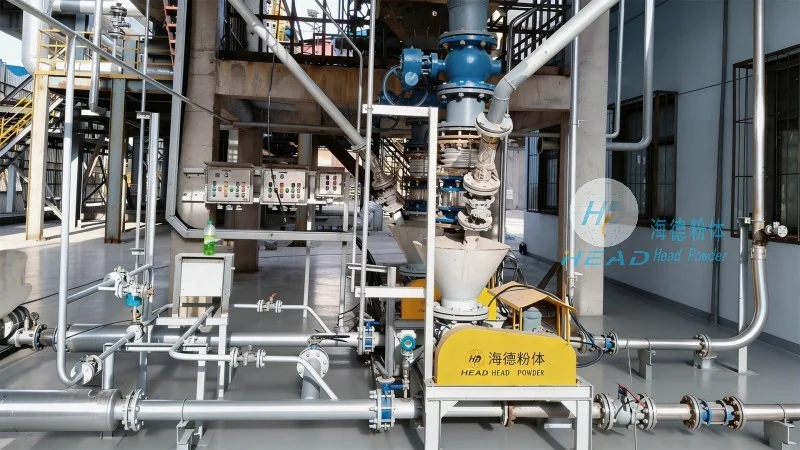
- From Storage to Processing: Moving sugar from bulk storage silos to refining or blending equipment.
- Between Processing Stages: Transferring sugar from one processing unit to another, such as from a refining tank to a drying machine.
- To Packaging Lines: Delivering sugar directly to packaging machines for bagging or container filling.
- In Food and Beverage Production: Integrating with other food processing lines where sugar is a key ingredient.
When implementing a pneumatic conveying system for white sugar, several practical considerations must be addressed:
- Material Selection: The conveying line and components must be made of materials that are resistant to sugar's acidic and sugary residues to prevent corrosion and blockages.
- Air Quality Control: Proper filtration and dust collection are essential to maintain air quality and comply with environmental regulations.
- System Sizing: The system must be sized appropriately based on the required flow rate, distance, and elevation to ensure efficient operation without excessive energy consumption.
- Maintenance: Regular maintenance of the air supply unit, filters, and separation equipment is crucial to prevent system failures and ensure long-term reliability.
Company Profile: Shandong HeadPowder Engineering Co., Ltd.
Shandong HeadPowder Engineering Co., Ltd., operating under the brand name HeadPowder, is a leading provider of pneumatic conveying solutions tailored for the sugar industry. With a focus on innovation and customer-centric design, the company specializes in developing customized systems that meet the specific needs of sugar processing facilities. HeadPowder's expertise lies in integrating advanced technology with robust engineering to deliver efficient, reliable, and cost-effective pneumatic conveying systems for white sugar and other granular products. The company's facilities are located in Shandong, China, where it leverages local resources and industry knowledge to serve clients globally.