

[WGypsum Ash Pneumatic Conveying: Working Principle and Key Features]
For industrial applications involving the handling of gypsum ash, pneumatic conveying systems offer an efficient and reliable solution. Understanding the working principle and key characteristics of such systems is crucial for optimizing material transport processes. This article provides an in-depth look at the mechanisms behind gypsum ash pneumatic conveying, highlighting the technical aspects and advantages that make it a preferred method in various industries.
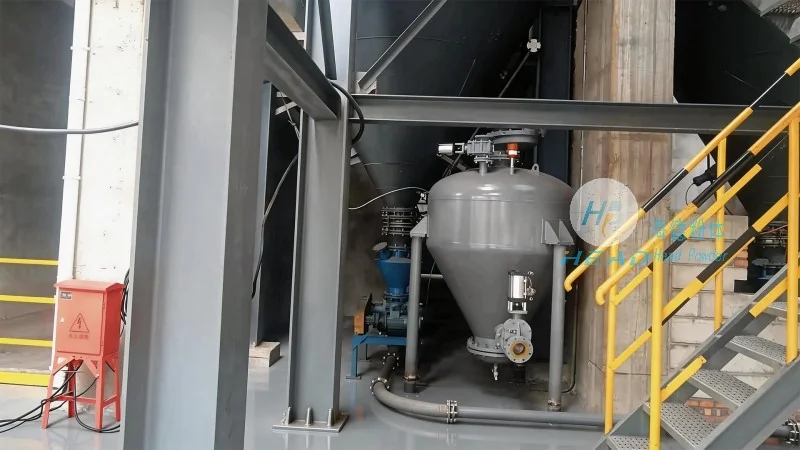
About Shandong HeadPowder Engineering Co., Ltd.
Shandong HeadPowder Engineering Co., Ltd. is a leading provider of industrial conveying solutions, specializing in the design, manufacturing, and installation of pneumatic conveying systems. With a strong commitment to quality and innovation, the company serves clients across diverse sectors, including power generation, construction materials, and environmental engineering. HeadPowder's expertise lies in tailoring conveying systems to meet specific operational requirements, ensuring optimal performance and longevity. The company is headquartered in Shandong, China, with a dedicated team of engineers and technicians focused on delivering cutting-edge solutions for material handling challenges.
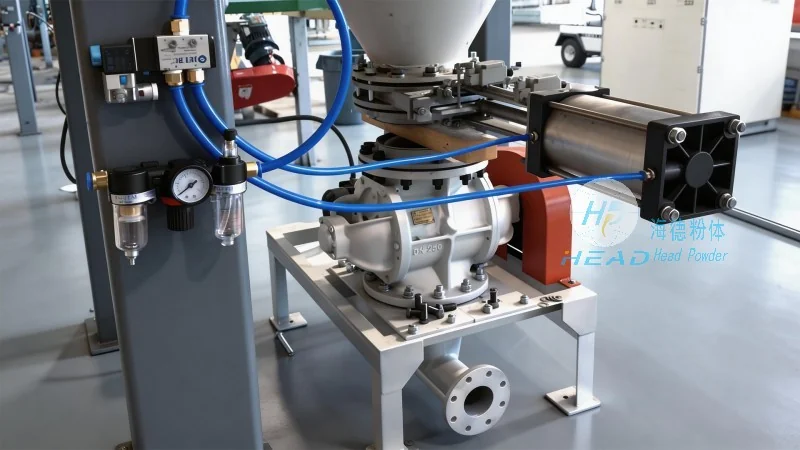
Working Principle of Gypsum Ash Pneumatic Conveying
Gypsum ash pneumatic conveying operates on the principle of transporting solid particles through a pipeline using a moving gas stream. The process typically involves several key components, including a feeder, a conveying line, a separator, and a dust collector. The system begins with the material being fed into the pipeline, where it is entrained by a high-velocity air stream. As the air and material mixture travels through the pipeline, the particles are carried to the destination point. At the receiving end, a separator separates the material from the air, allowing the material to be discharged while the air is either recirculated or vented to the atmosphere. The working principle leverages the kinetic energy of the air to overcome the gravitational forces acting on the gypsum ash particles, enabling efficient transport over long distances and varying elevations.
Key Characteristics of Gypsum Ash Pneumatic Conveying
Several distinct characteristics define the performance of gypsum ash pneumatic conveying systems. Firstly, the system offers high efficiency in material transport, with minimal downtime and low operational costs. The enclosed pipeline design prevents dust emissions, contributing to a cleaner working environment and compliance with environmental regulations. Additionally, pneumatic conveying reduces material degradation and loss compared to other methods, such as belt conveyors, which can cause abrasion and spillage. The flexibility of the system allows for easy integration with existing infrastructure, adapting to various plant layouts and operational needs. Another notable characteristic is the ability to handle a wide range of particle sizes and moisture contents, making it suitable for diverse gypsum ash compositions. The system also provides consistent flow rates, ensuring stable production processes and reducing the risk of bottlenecks or blockages.
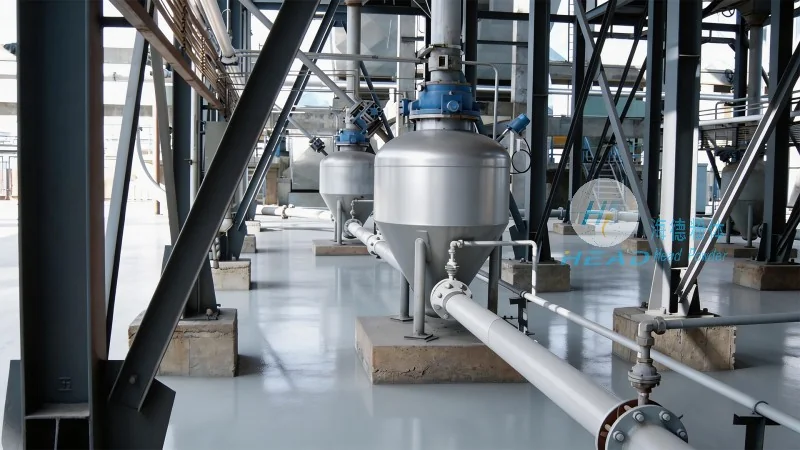
Advantages and Applications
The advantages of gypsum ash pneumatic conveying make it an ideal choice for applications where traditional conveying methods may fall short. In power plants, for example, the system efficiently transports gypsum ash from flue gas desulfurization (FGD) units to storage or disposal sites. The enclosed nature of the system minimizes environmental impact, while the high capacity ensures that large volumes of ash are handled without interruption. In construction material production, pneumatic conveying is used to transport gypsum ash for use in wallboard manufacturing, where the material's properties are preserved throughout the process. The system's adaptability also makes it suitable for industrial settings where space is limited or where the need to transport materials between different levels or locations is critical. Overall, the combination of efficiency, environmental friendliness, and operational flexibility positions pneumatic conveying as a superior solution for gypsum ash handling in modern industrial operations.