

Working Principle and Features of Pneumatic Conveying Systems
Shandong HeadPowder Engineering Co., Ltd., commonly known as headpowder, is a professional manufacturer based in Shandong, China, specializing in the design, development, and implementation of pneumatic conveying systems. The company's expertise lies in providing customized solutions that meet the diverse needs of industrial sectors, ensuring efficient and reliable material handling processes.
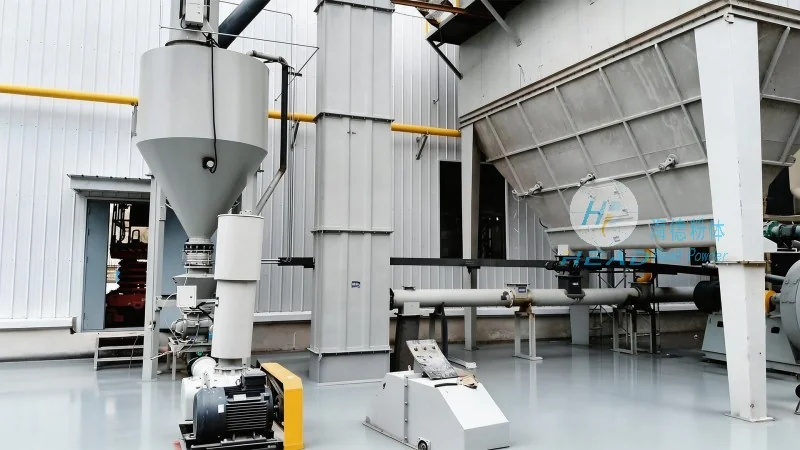
Working Principle of Pneumatic Conveying Systems
Pneumatic conveying systems operate by utilizing compressed air to transport bulk materials through a closed pipeline network. The process typically begins with the material being loaded into a hopper or feeder, where it is then drawn into the pipeline by the air flow. A compressor generates the necessary air pressure, which creates a pressure differential between the inlet and outlet of the system. This pressure difference propels the material along the pipeline, often with the aid of special valves and control mechanisms to regulate the flow rate and direction. The system may include components such as cyclones, filters, and dust collectors to separate the material from the air and ensure proper handling.
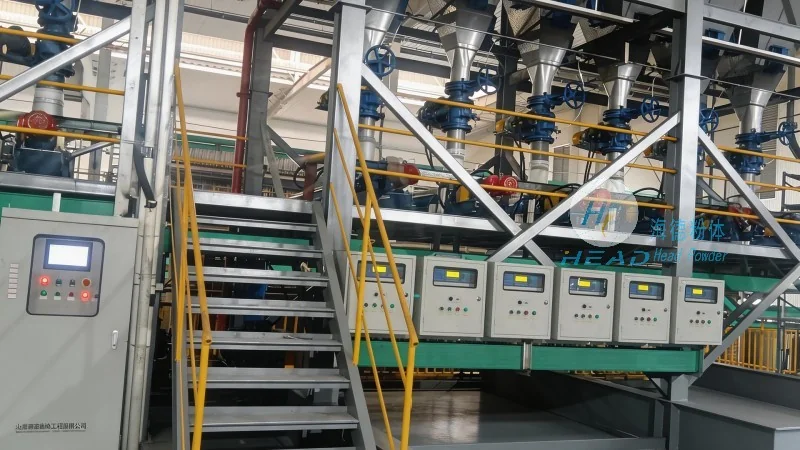
Key Features of Pneumatic Conveying Systems
The pneumatic conveying systems offered by headpowder are characterized by several distinct advantages that make them ideal for various industrial applications. Firstly, these systems provide high efficiency in material transport, as they can move large quantities of material over significant distances with minimal energy consumption. Secondly, the enclosed design of the system ensures minimal product contamination, which is crucial for industries such as food, pharmaceuticals, and chemicals where product purity is paramount. Thirdly, the flexibility of the system allows for customization to accommodate different material types, including powders, granules, and even bulk solids. Additionally, the automated control systems enhance operational efficiency, reducing labor costs and improving overall process reliability.
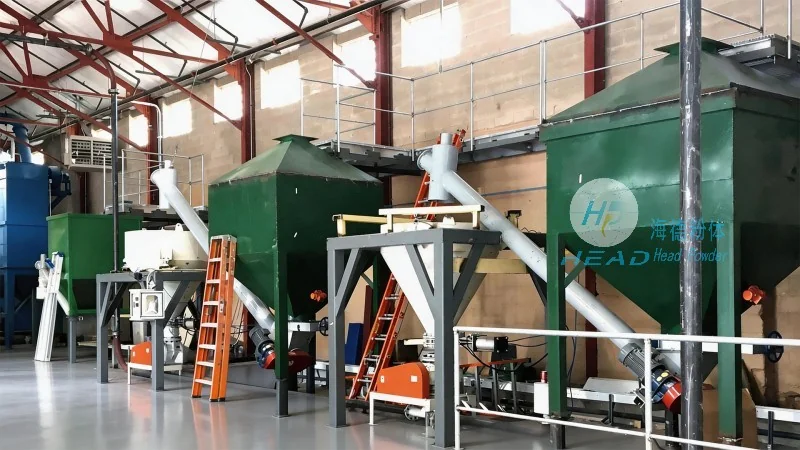
Application and Benefits in Industrial Settings
In industrial settings, pneumatic conveying systems are widely adopted across multiple sectors due to their versatility and effectiveness. For instance, in the food processing industry, these systems are used to transport ingredients like flour, sugar, and spices while maintaining hygiene standards. In the pharmaceutical sector, they ensure the safe and sterile handling of active pharmaceutical ingredients (APIs) and other sensitive materials. The chemical industry benefits from the ability to handle corrosive or hazardous materials without exposure risks, while the mining and minerals industry utilizes these systems for ore and ore concentrate transport. The benefits extend beyond material transport, as these systems can be integrated with other processing equipment, creating a seamless workflow that enhances overall productivity and reduces downtime.