

Working Principles and Characteristics of Polymer Nitrogen Oxide Removal
Understanding the working principles and characteristics of polymer nitrogen oxide removal technology is crucial for industries seeking efficient and sustainable solutions to reduce nitrogen oxide emissions. This article provides a detailed overview of how polymer-based systems operate and their key attributes, presented by Shandong HeadPowder Engineering Co., Ltd., a leading provider in this field.
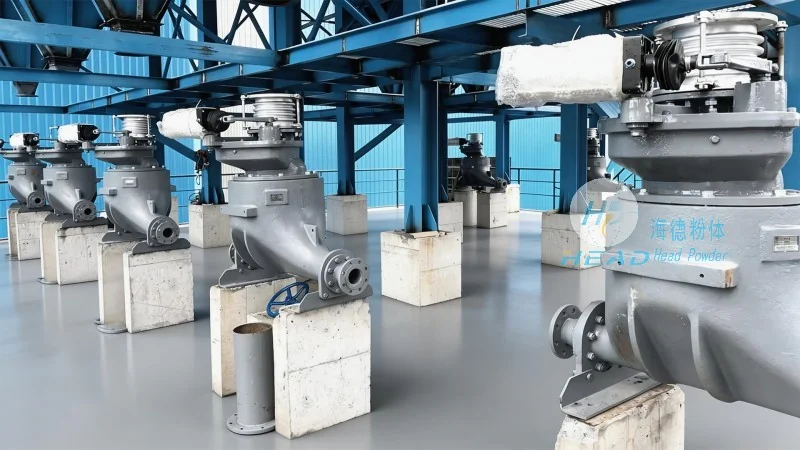
Working Principles of Polymer Nitrogen Oxide Removal
Polymer nitrogen oxide removal systems typically operate through a combination of adsorption, catalytic reduction, and chemical reaction mechanisms. The process begins with the introduction of nitrogen oxide (NOx) gases into a reactor containing a polymer-based catalyst or adsorbent material. The polymer matrix, often composed of high-performance resins or specialized polymers, facilitates the interaction between NOx molecules and the active sites on the polymer surface. This interaction leads to the conversion of NOx into less harmful compounds such as nitrogen gas (N₂) and water (H₂O). The efficiency of this conversion is enhanced by the polymer's ability to maintain a stable structure under varying operating conditions, ensuring consistent performance over extended periods.
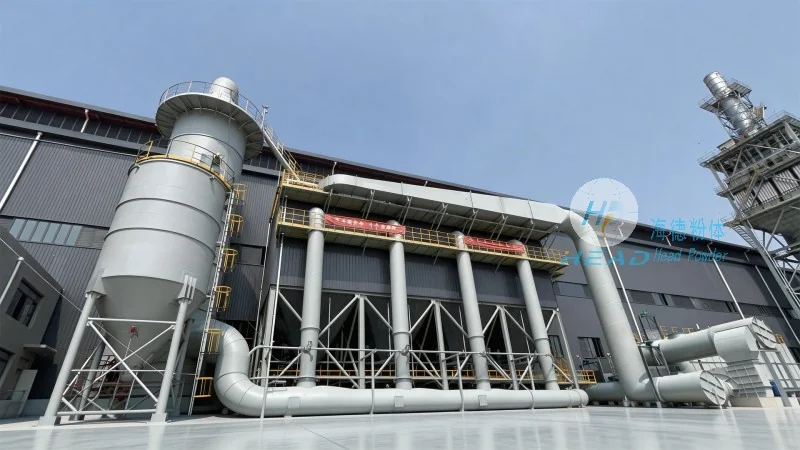
Key Characteristics of Polymer Nitrogen Oxide Removal Systems
Several distinct characteristics define polymer nitrogen oxide removal systems, making them attractive for industrial applications. First, the systems exhibit high selectivity towards NOx, effectively targeting and reducing nitrogen oxide emissions while minimizing the impact on other gases. This selectivity is achieved through the tailored design of the polymer's molecular structure, which optimizes interactions with NOx molecules. Second, the polymer-based catalysts are known for their long service life and low maintenance requirements. Unlike traditional metal-based catalysts, polymer materials are less prone to sintering or deactivation, resulting in reduced downtime and operational costs. Third, the systems offer flexibility in terms of operating temperature and pressure ranges. Polymer nitrogen oxide removal can be adapted to various industrial processes, from low-temperature flue gas treatment to high-temperature exhaust streams, providing versatility across different industries. Additionally, the polymer matrix allows for easy regeneration and reusability, as the material can be cleaned and restored to its original state through simple processes like air purging or chemical washing.
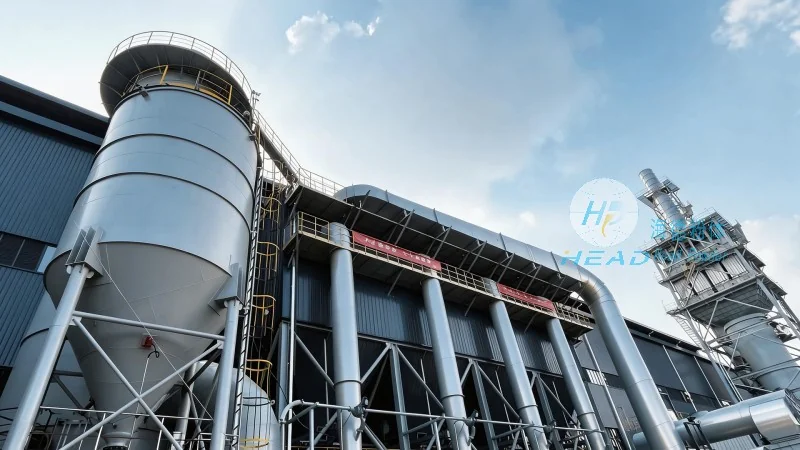
Company Profile: Shandong HeadPowder Engineering Co., Ltd.
As a prominent enterprise in the field of environmental technology, Shandong HeadPowder Engineering Co., Ltd. specializes in the research, development, and application of advanced polymer nitrogen oxide removal solutions. Headquartered in Shandong, China, the company leverages cutting-edge polymer science and engineering expertise to deliver customized solutions that meet the specific needs of clients across various sectors. With a strong commitment to innovation and sustainability, HeadPowder focuses on creating efficient, cost-effective, and environmentally friendly technologies that contribute to cleaner air and reduced environmental impact. The company's products are designed to integrate seamlessly with existing industrial systems, ensuring minimal disruption to operations while achieving significant reductions in NOx emissions.