

What is Mineral Sand Pneumatic Conveying Equipment? And What Are Its Design Principles?
Mineral sand pneumatic conveying equipment represents a critical technology in the material handling industry, specifically designed to transport mineral sands and similar bulk materials through a pressurized or vacuum system. This equipment is essential for industries such as mining, construction, and chemical processing, where efficient and safe material movement is paramount. Understanding the fundamentals of this equipment and its design principles is crucial for optimizing operational efficiency and ensuring reliable performance in various industrial applications.
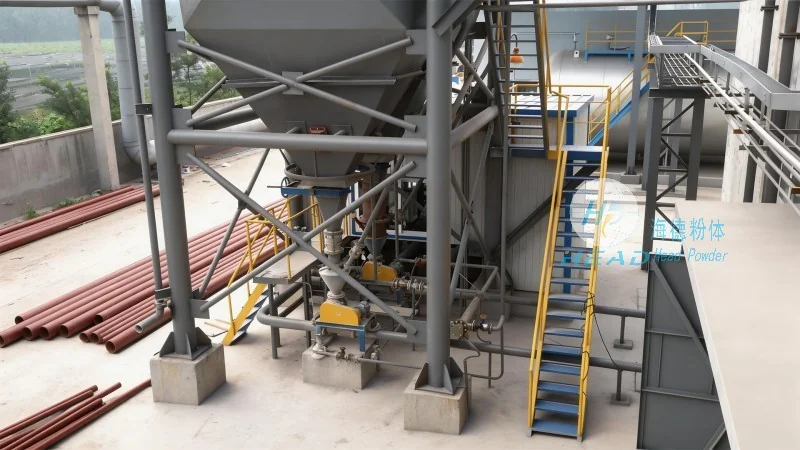
Introduction to HeadPowder and Its Expertise
HeadPowder, a leading manufacturer based in Shandong, China, specializes in the design, development, and production of advanced pneumatic conveying systems tailored for mineral sand and other bulk materials. With a strong commitment to innovation and quality, HeadPowder has established itself as a trusted partner for businesses seeking reliable and efficient material handling solutions. The company’s headquarters and main operations are located in Shandong, China, providing a solid foundation for delivering high-performance equipment that meets the demanding requirements of modern industrial operations.
Design Principles of Pneumatic Conveying Systems
The design of mineral sand pneumatic conveying equipment revolves around several key principles that ensure optimal performance and reliability. One of the primary design considerations is the type of conveying system—either suction (or vacuum) or pressure systems. Suction systems are typically used for short distances and low material loads, while pressure systems are preferred for longer distances and higher material capacities. The choice between these systems depends on factors such as the material's properties, the required conveying distance, and the overall system layout.
Another critical design principle is the selection of the appropriate air velocity and pressure. Proper air velocity is essential to prevent material settling or blockages in the pipeline. Engineers must calculate the necessary air velocity based on the material's flow characteristics, particle size, and density. Additionally, the pressure levels must be carefully determined to ensure sufficient force to move the material through the system without causing excessive wear on components or energy consumption.
Pipeline design is another crucial aspect of pneumatic conveying equipment design. The layout of the pipeline, including the number of bends, elbows, and expansion joints, directly impacts the system's efficiency and reliability. Well-designed pipelines minimize pressure losses and prevent material accumulation, which can lead to system downtime. HeadPowder employs advanced engineering techniques to optimize pipeline configurations, ensuring smooth material flow and reduced maintenance requirements.
Key Components and Their Functions
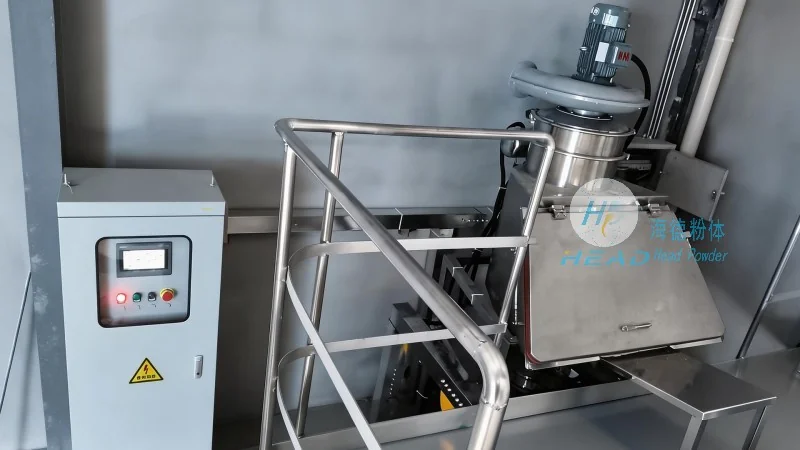
A typical mineral sand pneumatic conveying system consists of several key components, each playing a vital role in the overall operation. The main components include the material feeder, which introduces the mineral sand into the system; the air compressor or vacuum pump, which provides the necessary pressure or vacuum; the conveying pipeline, which transports the material; and the discharge device, which releases the material at the destination. Each component must be carefully selected and integrated to ensure seamless operation and minimal downtime.
The material feeder is responsible for accurately feeding the mineral sand into the pipeline, maintaining a consistent flow rate. This component is critical to prevent material bridging or uneven feeding, which can disrupt the system's performance. The air compressor or vacuum pump generates the required pressure or vacuum to move the material through the pipeline. The choice of compressor type—such as rotary lobe, screw, or piston—depends on the system's pressure requirements and the material's characteristics. The conveying pipeline is typically made of durable materials like stainless steel or aluminum to withstand the abrasive nature of mineral sands and the pressure or vacuum conditions.
Advantages of Pneumatic Conveying for Mineral Sands
Compared to traditional mechanical conveying methods, pneumatic conveying offers several advantages for mineral sand handling. One of the most significant benefits is the ability to transport materials over long distances without the need for multiple transfer points or intermediate storage. This reduces the overall system complexity and operational costs. Additionally, pneumatic conveying systems are more flexible, allowing for changes in the material flow path without major modifications to the infrastructure.
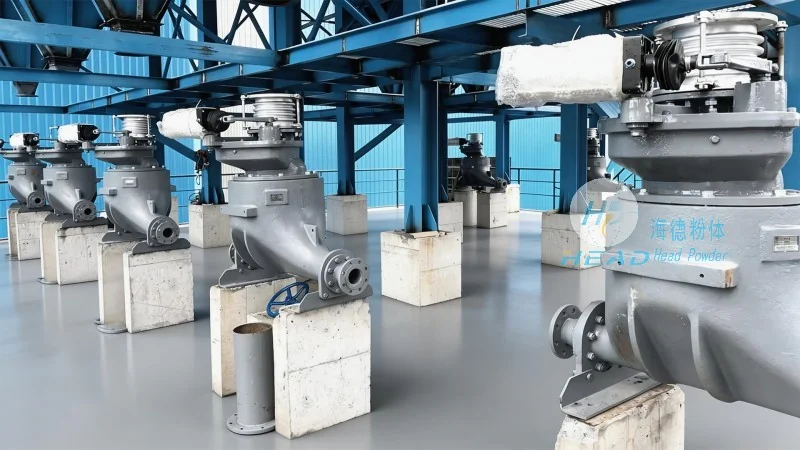
Another advantage is the enhanced safety and hygiene of pneumatic systems. Unlike mechanical conveyors, which may generate dust or require regular cleaning, pneumatic systems can be enclosed to minimize dust emissions and maintain a clean working environment. This is particularly important in industries where dust control is a regulatory requirement. Furthermore, pneumatic conveying reduces the risk of material contamination, as the material remains contained within the pipeline throughout the conveying process.
Energy efficiency is also a key consideration in the design of pneumatic conveying systems. Modern systems incorporate energy-saving features, such as variable speed drives and optimized air flow control, to minimize energy consumption while maintaining performance. HeadPowder's expertise in system design ensures that their equipment operates at peak efficiency, reducing operational costs and environmental impact.
Application Examples and Case Studies
HeadPowder's mineral sand pneumatic conveying equipment has been successfully implemented in various industrial applications, demonstrating its versatility and reliability. For example, in a mining operation, the equipment was used to transport crushed mineral sand from the processing plant to a storage facility over a distance of 500 meters. The system was designed as a pressure system with a rotary lobe compressor, ensuring consistent material flow and minimal downtime. The client reported a significant reduction in labor costs and material handling time compared to traditional methods.
In another application, a chemical processing plant utilized HeadPowder's equipment to convey mineral sand for a coating process. The system was configured as a suction system with a vacuum pump, allowing for precise control of the material feed rate. The enclosed design of the system helped maintain a clean and safe working environment, meeting the plant's regulatory requirements. The client praised the equipment's durability and ease of maintenance, noting that it required minimal intervention over its operational life.