Biological enzyme material handling equipment is a specialized type of machinery engineered to transport and manage materials that involve biological enzymes. These systems are essential in sectors like pharmaceuticals, biotechnology, and food processing, where enzymes play a critical role in various production processes. The primary goal of such equipment is to maintain the integrity and activity of enzymes throughout handling and transportation, as enzymes are highly sensitive to environmental factors like temperature, pH, and contamination. This requires a design that prioritizes controlled conditions and minimal stress on the enzymes.
Core Function and Industry Application
The fundamental purpose of biological enzyme material handling equipment is to facilitate the safe and efficient movement of enzyme-containing materials from one processing stage to another. Enzymes are biological catalysts that accelerate chemical reactions, and their effectiveness is contingent on being in optimal conditions. In industries such as drug manufacturing, biofuel production, and food fermentation, enzymes are used to synthesize active ingredients or enhance product quality. The equipment must therefore ensure that enzymes remain active and stable during transport, preventing any loss of efficacy that could impact the final product. This is particularly critical in applications where enzymes are used for high-value or regulated products, as any degradation can lead to significant financial and reputational losses.
Design Principles for Enzyme Preservation
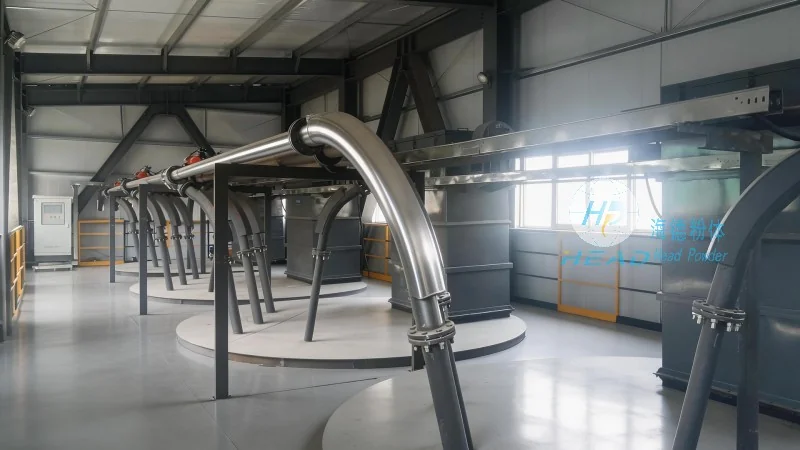
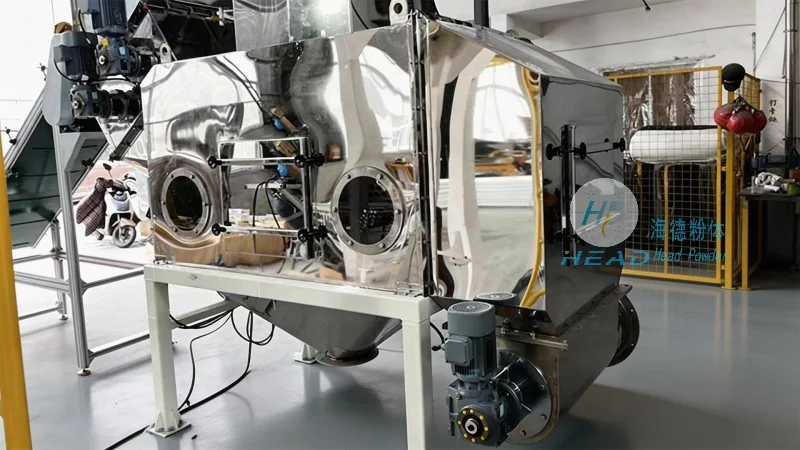
The design of biological enzyme material handling equipment is guided by several key principles aimed at preserving enzyme activity. First, the equipment must be constructed from materials that are chemically inert and non-reactive with enzymes. Common materials include stainless steel, which resists corrosion and does not leach harmful substances, and specialized polymers that are biocompatible and free from contaminants. Second, temperature control is a critical factor, as many enzymes have specific temperature ranges for optimal performance. The equipment often incorporates heating or cooling systems to maintain these conditions, ensuring that enzymes remain within their active range throughout the process. Third, the design must minimize shear stress and mechanical agitation, as excessive force can denature enzymes and reduce their effectiveness. This is achieved through smooth, rounded surfaces and gentle conveying mechanisms, such as screw conveyors or pneumatic systems, which reduce friction and material impact. Fourth, the equipment is designed for easy cleaning and sterilization to prevent cross-contamination between batches. This includes features like CIP (Clean-In-Place) systems and smooth internal surfaces that can be thoroughly sanitized, ensuring that each batch of material is handled under clean conditions.
Key Components and Operational Mechanisms
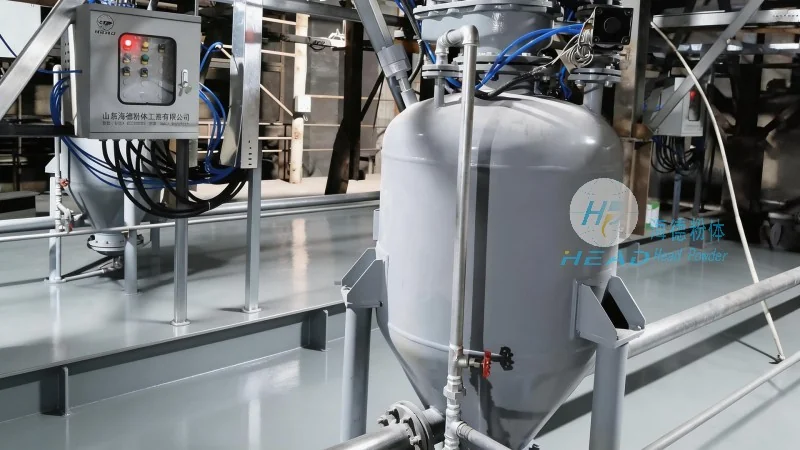
Biological enzyme material handling equipment typically consists of several interconnected components that work together to achieve efficient material transport. The main components include: 1. Feed systems: These are designed to introduce the enzyme-containing material into the equipment, often using hoppers or inlet chutes that minimize material spillage and exposure to the environment. 2. Conveying mechanisms: These are the core of the system, responsible for moving the material through the equipment. Common types include screw conveyors, which are ideal for solid materials due to their ability to handle bulk quantities and maintain a consistent flow; pneumatic transport systems, which use air pressure to move powders or granules through pipes; and belt conveyors, which are suitable for larger or more irregularly shaped materials. 3. Control systems: These monitor and regulate the operation of the equipment, including temperature, pressure, and flow rates. Sensors and controllers ensure that the system operates within the optimal parameters for enzyme preservation. 4. Discharge systems: These deliver the processed material to the next stage of production, such as a reactor or storage tank. The design of these systems is tailored to the material's properties, ensuring a smooth and controlled release.
Ensuring Compliance and Reliability
For industries operating under strict regulatory guidelines, such as the pharmaceutical and biotech sectors, the design and operation of biological enzyme material handling equipment must meet rigorous standards. Compliance with Good Manufacturing Practices (GMP) and other quality control measures is essential to ensure the integrity of the enzymes and the final product. The equipment is often equipped with advanced monitoring systems that provide real-time data on temperature, pressure, and flow, allowing for immediate adjustments to maintain optimal conditions. Additionally, regular maintenance and calibration are critical to maintain the equipment's performance and reliability. This includes routine checks of components, such as bearings and seals, to prevent wear and tear that could compromise enzyme preservation. By adhering to these standards, the equipment not only supports efficient material handling but also contributes to the overall quality, safety, and regulatory compliance of the production process.




